•
•
•
•
•
•
•
•
•
•
•
•
•
•
•
•
•
•
•
•
•
•
•
•
•
•
•
•
•
•
•
•
•


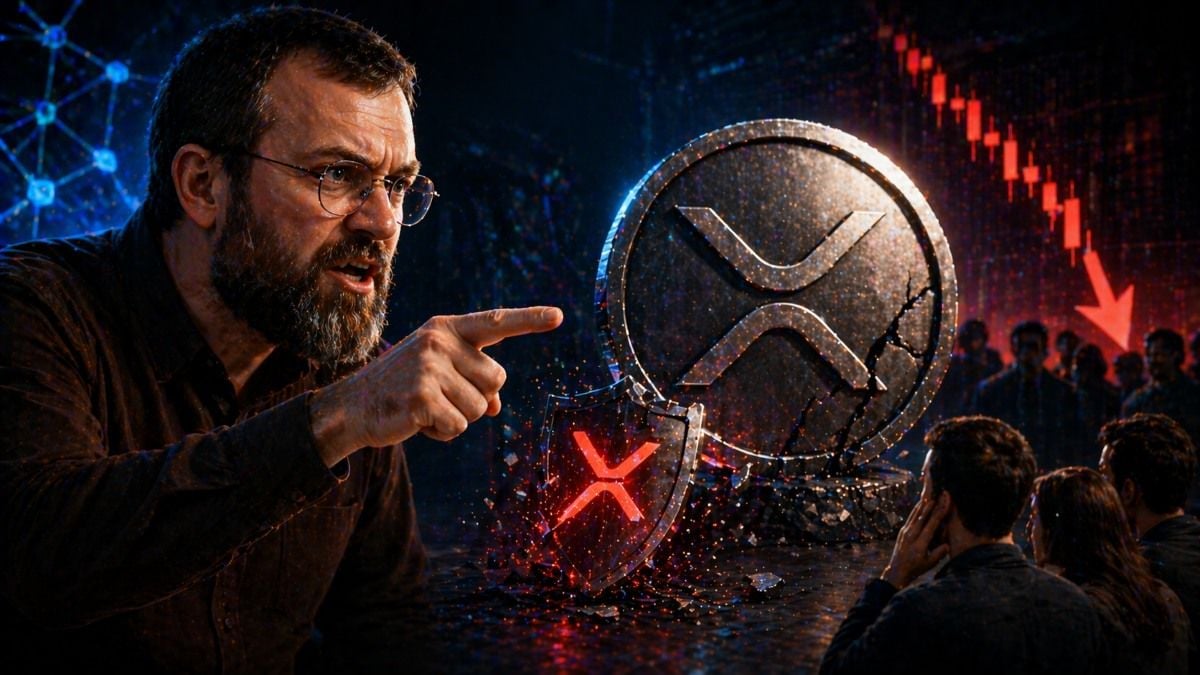
Charles Hoskinson has launched a sharp critique of Ripple’s XRP model, arguing that the token’s structure requires holders to believe in value that the network itself does not generate. In his view, XRP does not create organic buy demand for its owners, raising questions about whether the token can maintain long-term alignment with its community when the business built around it captures value elsewhere.
Hoskinson’s argument centers on a distinction between tokens that feed value back into their own ecosystems and tokens that primarily finance the companies behind them. He points to Hyperliquid as an example of the former: user activity generates fees, which are then used to buy back the token, creating what he describes as a circular economy.
By contrast, Hoskinson says XRP sits alongside a private company with its own investors and shareholders. In his framing, Ripple generates revenue, sells XRP, converts proceeds into cash, and uses that capital to acquire assets that remain on the company’s balance sheet.
Hoskinson’s critique then expands from tokenomics to regulation. He argues that the main risk is not only misaligned incentives, but also a market structure that protects incumbents while limiting access for newer projects. He contends that Bitcoin, Ethereum, XRP, and Cardano already benefit from a safer regulatory position as commodities, while new projects may be treated as securities by default.
According to his view, this makes it harder for younger networks to reach exchanges, build liquidity, broaden ownership, and eventually mature into commodity-like blockchain assets with a fair chance to compete.
Hoskinson’s criticism is not limited to Ripple’s treasury behavior. He describes a scenario in which established crypto names retain their status while access becomes more restricted for the next wave. In that outcome, older networks would benefit from regulatory shelter and market access, while newer projects could face rules strict enough to prevent meaningful growth before legitimacy is achieved.
He characterizes the situation as increasingly resembling Wall Street logic within an industry that once promised open competition. If his interpretation gains traction, the debate around XRP could shift from a token-specific dispute to a broader fight over crypto’s power structure in the years ahead.





Premium gym chains are entering a “golden era” that is ending or already in decline, as rising operating costs collide with shifting consumer preferences toward more flexible, community-based ways to exercise. Long-term memberships are shrinking, margins are pressured by higher rents and facility expenses, and competition from smaller, more personalized…