•
•
•
•
•
•
•
•
•
•
•
•
•
•
•
•
•
•
•
•
•
•
•
•
•
•
•
•
•
•
•
•
•


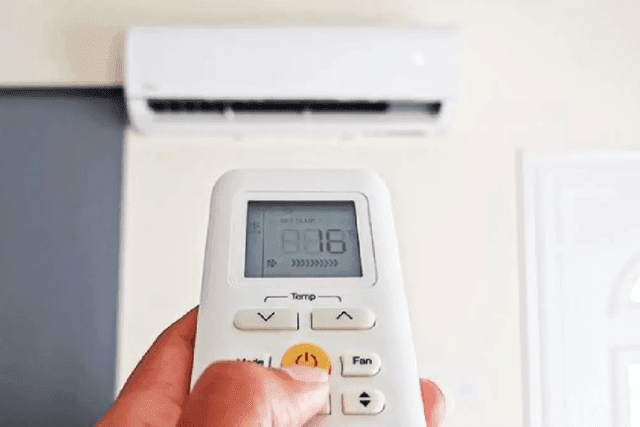
Hot weather makes air conditioning a near necessity for many households, but it also raises a practical question: how much will running an air conditioner for several hours each day add to the monthly electricity bill?
According to EVN, a 12,000 BTU air conditioner—equivalent to about 1.2 kW—used for 8 hours per day would consume roughly 288 kWh of electricity in a month. Based on current residential electricity pricing, that level of use could raise a household’s monthly electricity bill by about 624,000 to 907,000 dong, depending on the household’s tariff tier.
The figures also help explain why, as summer begins, many households see noticeable increases in electricity bills even when their day-to-day habits do not change much. A single high-power device running for extended hours can push total monthly energy consumption higher.
On an average daily basis, a 12,000 BTU unit running 8 hours consumes about 9.6 kWh. Over 30 days, that totals 288 kWh. While some households may also use other appliances such as refrigerators, rice cookers, washing machines, water heaters, and electric stoves, the air conditioner is highlighted as one of the biggest drivers of electricity consumption during hot weather.
Not all households experience the same increase even with the same 8 hours of daily operation. The difference comes from tiered residential electricity pricing, meaning the additional electricity drawn by an air conditioner can be charged at different rates depending on a household’s existing consumption.
Beyond usage patterns, the air conditioner’s operating efficiency affects electricity consumption. When filters, evaporator coils, or condenser coils are dirty, the unit must work harder to reach the set temperature. This reduces cooling efficiency and increases electricity use.
Periodic cleaning is therefore a practical step to help lower electricity costs. A clean, well-maintained air conditioner cools more efficiently, consumes less electricity, and lasts longer.




Premium gym chains are entering a “golden era” that is ending or already in decline, as rising operating costs collide with shifting consumer preferences toward more flexible, community-based ways to exercise. Long-term memberships are shrinking, margins are pressured by higher rents and facility expenses, and competition from smaller, more personalized…




