•
•
•
•
•
•
•
•
•
•
•
•
•
•
•
•
•
•
•
•
•
•
•
•
•
•
•
•
•
•
•
•
•
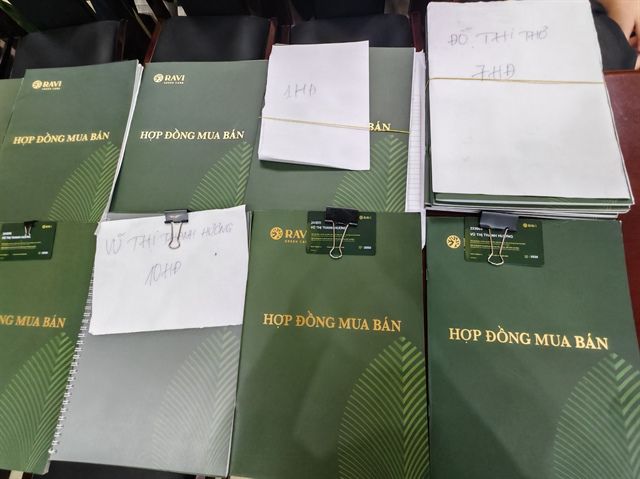
How victims can recover funds in the timeshare ownership scam requires prompt participation in the legal proceedings and providing evidence to be considered for reimbursement. In the case of the travel timeshare ownership scam recently indicted by the Hanoi Police, the ability to recover funds for victims mainly depends on whether investigators identify, locate, and seize assets belonging to the accused. To recover money, victims should participate in the proceedings as victims or interested parties and provide evidence showing they transferred funds to the subjects. According to lawyer Diep Nang Binh, head of the Tinh Thong Law Firm (Ho Chi Minh City Bar Association), crucial evidence includes purchase and transfer of ownership contracts for the timeshare; receipts, invoices, bank statements, transfer documents; messages, emails, recordings of consultations; advertising materials, profit guarantees, buy-back or transfer promises of the timeshare; and documents showing the public was misled to transfer money. These documents help investigators clarify the fraud, determine damages, and form the basis to compel the defendants to compensate the victims. The subject Hoang Nhat Long (red jacket), Director of SunLand Travel, is seen with police. Photo: T.D. Lawyers also say that how much money can be recovered depends on the investigation results, asset tracing, and asset seizure. If the embezzled funds have been laundered or spent, recovery will be difficult. Conversely, if investigators can freeze accounts, seize real estate, vehicles, or other assets of the accused, victims will have a chance to recover part or all of the money lost. In addition, victims should actively file reports, civil compensation requests, and provide evidence to the investigators as soon as possible. If a person has not yet been identified as a victim in the case, they can request the prosecuting agency to recognize victim status to protect their legal rights and interests. Lawyers also note that in large-scale fraud cases with many victims, recovered assets will be allocated, managed, and disposed of by the prosecuting authorities in accordance with the law. Restitution to victims is usually based on the actual damages each person can prove during the resolution of the case. By Tiến Dũng (VietNamNet) - 05:00 18/06/2026
Ready Card users outside the European Economic Area have reportedly faced an abrupt service halt after a transition involving the card issuer disrupted the USDC spending product, according to user notices shared on X.
A notice shared…