•
•
•
•
•
•
•
•
•
•
•
•
•
•
•
•
•
•
•
•
•
•
•
•
•
•
•
•
•
•
•
•
•


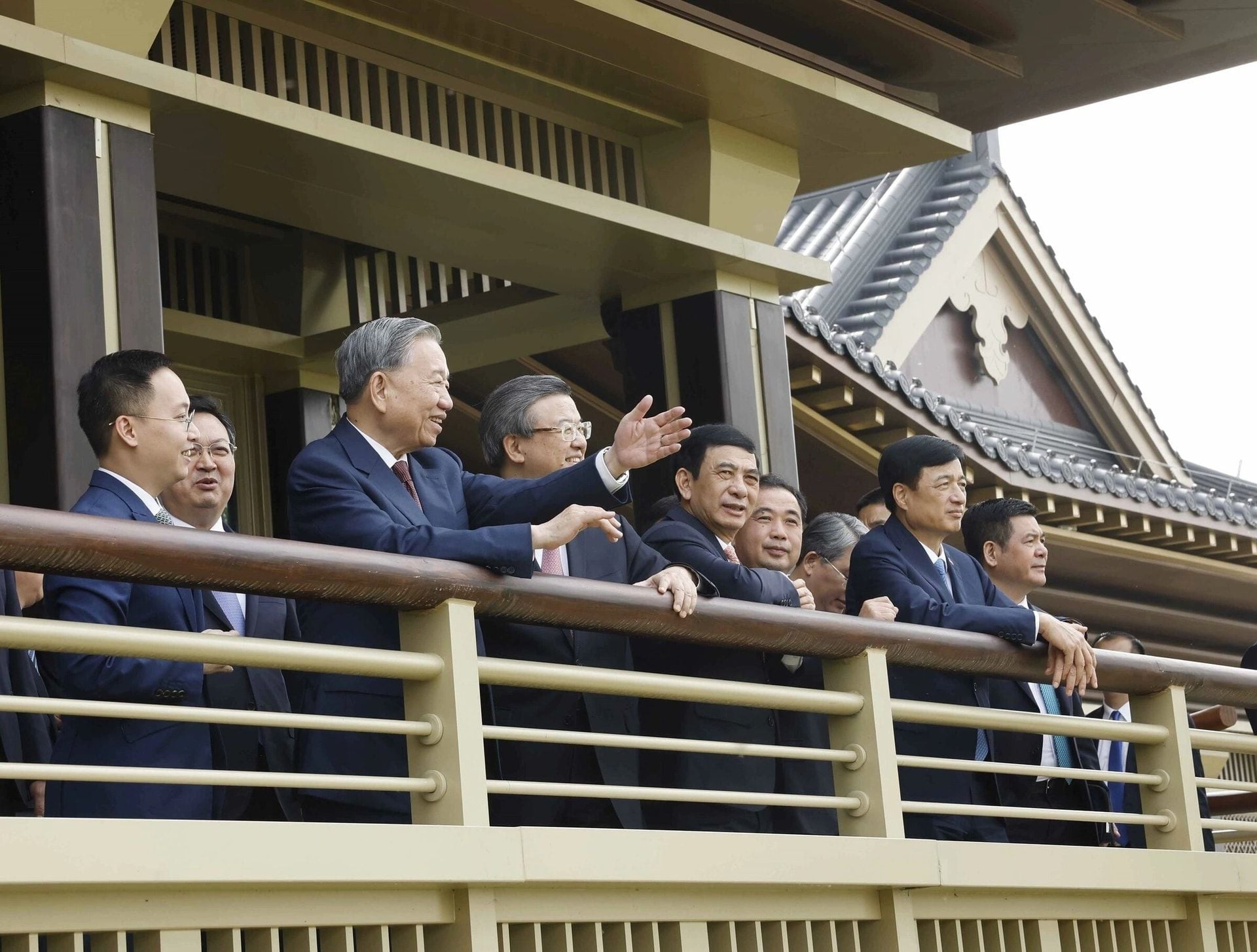
Hung An New Area is regarded as one of China’s greenest, most modern, smartest, and livable urban districts. This zone, established on April 1, 2017 in Hebei province, covers 1,770 square kilometers and sits about 100 kilometers southwest of Beijing. Its core mission is to relieve the capital and accelerate development in the Beijing–Tianjin–Hebei region, while also serving as a model for innovative, high-quality urban development. It is envisioned as an ecological and green new-town zone, a pioneer in driving growth through innovation, a model of harmonious development, and a leader in openness and development. China Daily has called Hung An China’s “future city.” By 2025, Hung An’s population was about 1.4 million. Over 400 state-owned enterprises relocated their headquarters there, more than 5,300 buildings were constructed, and four universities (Beijing Jiaotong University, China University of Geosciences, Beijing University of Technology, and Beijing University of Forestry) began operating new campuses in the area. An aerial view of Hung An station shows a 42,000 m2 roof covered with more than 17,000 solar panels, generating over 30 million kWh of electricity. By the end of 2025, 169,000 residents had been relocated to Hung An. As of March 2026, the Zhongguan Township Hung An Science and Technology Park had attracted over 260 high-tech firms focusing on AI, biotechnology, and a low-orbit economy. Hung An also features a three-tier city structure—ground, underground, and cloud services—with more than 200 km of digital roads enabling commercial autonomous driving, 5G, radar, and intelligent traffic signaling. It is regarded not only as a green, livable city but also as a tech hub, with reports from Global Times noting the presence of autonomous taxis operating without drivers at Hung An, offering smooth rides at lower fares. In addition, UAVs patrol the city and can automatically detect hazards, with warnings broadcast within 30 seconds. Underground, a major transport network under the central shopping district is being built to connect to Beijing’s Daxing International Airport, with travel time to the airport expected to drop to about 30 minutes once completed. Sources include China Daily, Global Times, and Hebei Daily. — Minh Hằng, Nhịp sống thị trường






Premium gym chains are entering a “golden era” that is ending or already in decline, as rising operating costs collide with shifting consumer preferences toward more flexible, community-based ways to exercise. Long-term memberships are shrinking, margins are pressured by higher rents and facility expenses, and competition from smaller, more personalized…