•
•
•
•
•
•
•
•
•
•
•
•
•
•
•
•
•
•
•
•
•
•
•
•
•
•
•
•
•
•
•
•
•


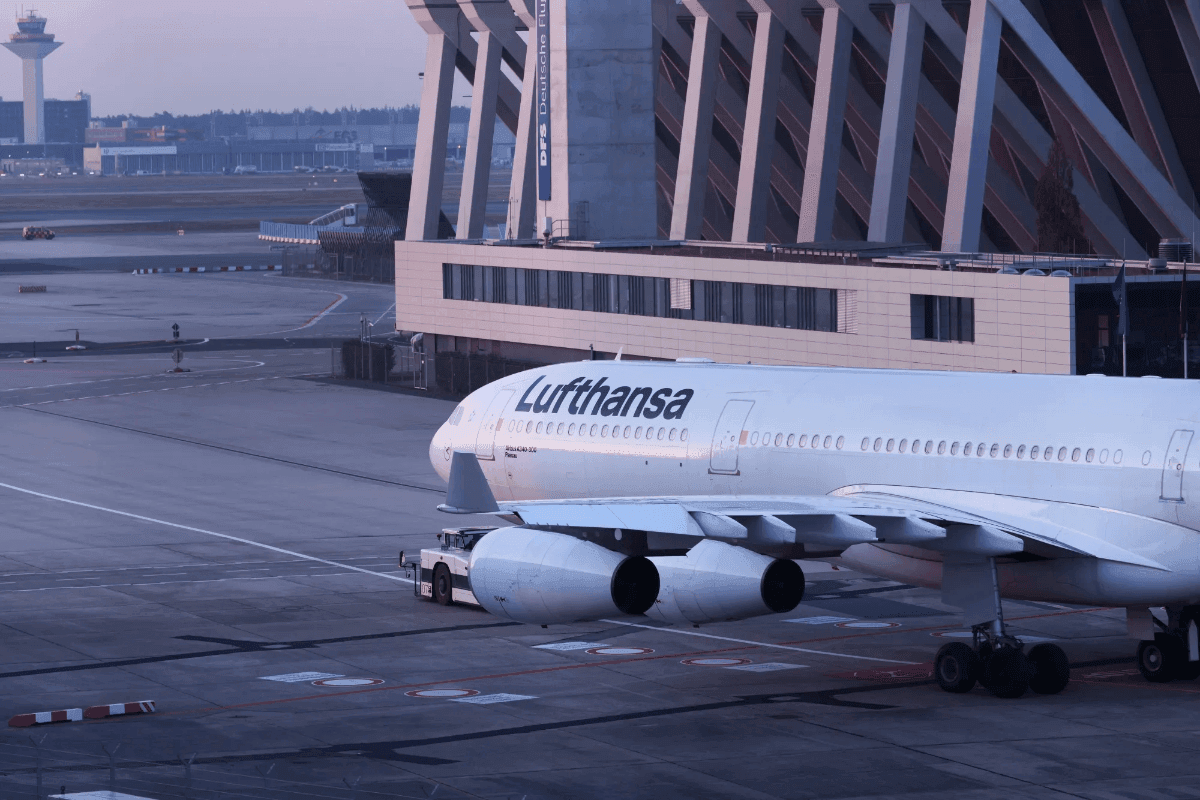
The International Energy Agency (IEA) warned that Europe could run out of jet fuel in as little as six weeks if European countries cannot import enough aviation fuel from the international market to offset supply losses from the Middle East. In an interview with CNBC, the IEA said aviation fuel shortages would occur under that scenario.
Before the war between the US and Iran, the Middle East accounted for about 75% of Europe’s net aviation fuel imports. The IEA said the closure of the Hormuz Strait has disrupted the global oil supply chain, with knock-on effects for gasoline prices and for gas and electricity prices, though the impact varies by region.
IEA Director-General Fatih Birol described the situation as part of the “largest energy crisis in history,” noting that the disruption is affecting broader energy markets beyond aviation fuel.
Birol warned that the energy crisis is expected to worsen in April as oil supply restrictions become more severe. He forecast that the oil supply loss in April would be double that of March.
He also said LNG supply and other petroleum products may face shortages, which would contribute to higher inflation and slower growth in many countries, particularly emerging economies. Birol added that some countries may need to implement fuel rationing in the near future.
Analysts said the European airline outlook depends heavily on crude that can be shipped through the Hormuz Strait. Claudio Galimberti, chief economist at Rystad Energy, said that if ships cannot pass the strait, supply is being drained from the Middle East and Europe will need to find alternative sources.
Traffic through Hormuz remains restricted, and there is no plan to fully reopen the sea lane. Since the US began blocking Iranian ports in the Hormuz area earlier this week, only a few oil tankers have passed through the strait per day as Iran continues to threaten further attacks.
On April 16, Brent crude futures rose nearly 5% to around $100 per barrel on London markets.
According to ACI Europe data, the aviation sector contributes €851 billion to the EU’s GDP each year and supports 14 million jobs.
Low-cost carrier EasyJet said the conflict in the Middle East and higher fuel costs are affecting ticket bookings. The airline reported that tickets sold for year-end are down 2% versus 2025 and said it faced an additional £25 million in fuel costs in March. EasyJet also stated it has hedged at least 70% of the fuel it expects to consume this summer to reduce exposure to price volatility.
ACI Europe warned that travel during peak summer months will be adversely affected by higher fuel prices, creating significant economic impacts for member states that rely on tourism-led growth.





Premium gym chains are entering a “golden era” that is ending or already in decline, as rising operating costs collide with shifting consumer preferences toward more flexible, community-based ways to exercise. Long-term memberships are shrinking, margins are pressured by higher rents and facility expenses, and competition from smaller, more personalized…