•
•
•
•
•
•
•
•
•
•
•
•
•
•
•
•
•
•
•
•
•
•
•
•
•
•
•
•
•
•
•
•
•


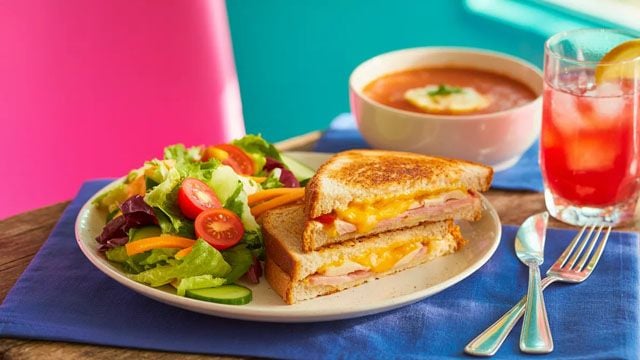
Food companies are facing multiple headwinds, including the impact of GLP-1 weight-loss drugs on eating habits, tighter consumer spending amid high costs and recession fears, and an overhang from elevated oil and fertilizer prices that could pressure margins in coming quarters. Against this backdrop, investors have been downbeat toward several food stocks.
Coca-Cola is one of the world’s largest consumer staples companies and a “Dividend King,” with more than 50 consecutive annual dividend increases. Its dividend yield is 2.6%, compared with 1.1% for the broader market and 2.1% for the consumer staples sector.
The company’s performance has remained resilient despite the difficult environment. In 2025, Coca-Cola grew case volume by 1% and increased organic sales by 5%. In the first quarter of 2026, case volume rose 3% and organic sales increased 10%.
Valuation is not described as a bargain, but also not as stretched: the article notes that Coca-Cola’s price-to-earnings and price-to-book ratios are slightly below their five-year averages. The piece frames this as a potentially attractive long-term setup for conservative dividend investors.
General Mills is about three-quarters of the way through fiscal 2026. Before the fiscal year began, the company told investors it expected an investment year due to industrywide and company-specific headwinds. The article says those pressures have materialized, with organic sales down 3%, gross margin lower by two percentage points, and adjusted earnings down 25% through the first nine months of the fiscal year.
Despite the weaker results, General Mills reaffirmed its full-year guidance, and the article characterizes the company’s plan as still on track. However, investor concerns remain, reflected in a dividend yield described as historically high at 7%.
Hormel Foods is also described as a Dividend King, with a historically high dividend yield of 5.4%. The article places Hormel between Coca-Cola and General Mills in terms of positioning.
Hormel has been in turnaround mode for several years, facing challenges similar to those affecting General Mills. The article notes that Hormel’s organic growth has been rising for more than a year, suggesting management actions may be starting to take hold. While earnings remain under pressure, the piece says a business upswing may have begun.
The article argues that the biggest advantage for small investors is the ability to think over longer horizons. It contrasts this with institutional investors, which it says are constrained by quarterly performance expectations.
For investors with a 20-year perspective, the article frames current weakness in food stocks as a potential long-term buying opportunity, pointing to Coca-Cola, General Mills, and Hormel as high-yield options.





Premium gym chains are entering a “golden era” that is ending or already in decline, as rising operating costs collide with shifting consumer preferences toward more flexible, community-based ways to exercise. Long-term memberships are shrinking, margins are pressured by higher rents and facility expenses, and competition from smaller, more personalized…