•
•
•
•
•
•
•
•
•
•
•
•
•
•
•
•
•
•
•
•
•
•
•
•
•
•
•
•
•
•
•
•
•


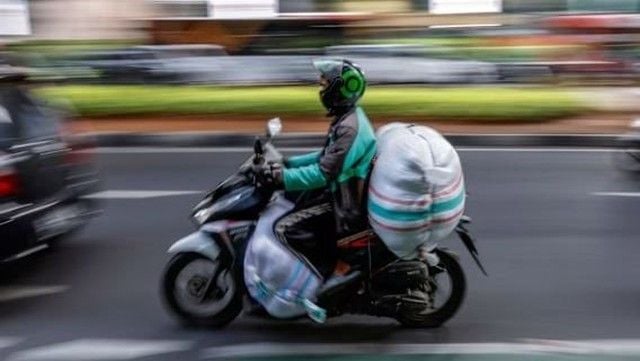
Against a backdrop of a sluggish economy, low wages and persistent inflation, Indonesian President Prabowo Subianto has moved to reduce the share of commissions that ride-hailing platforms can take from drivers. Speaking at a Labour Day rally in Jakarta, he said he has signed a presidential decree setting a maximum commission of 8% per ride for platforms including Grab and GoTo, down from the previous cap of 20%.
Mr. Prabowo said the new revenue split would raise drivers’ share to a minimum of 92%. He did not specify when the decree would take effect, but warned that noncompliance “should not do business here.”
The decision follows a prolonged period in which ride-hailing and delivery drivers in Indonesia have repeatedly called for lower commissions. The Garda Indonesia driver association said current fees are “suffocating workers” and worsening the cost-of-living crisis.
Indonesia’s economy has struggled to generate higher-income jobs, pushing millions into informal work such as driving and delivery. Government data cited in the article show about 7.5 million people are unemployed. Inflation has eased compared with the start of the year, but remains high and continues to erode household purchasing power.
Delivery drivers, estimated at about 7 million, were among key participants in last year’s large protests after the death of a 21-year-old driver who was struck by a police vehicle.
Garda Indonesia welcomed Mr. Prabowo’s statement, saying the move addresses economic fairness and strengthens the state’s recognition of technology-enabled ride-hailing drivers as part of the digital transport ecosystem.
At the May 1 rally, Mr. Prabowo also outlined other measures, including a commitment to build one million houses for workers and instructions to state-owned banks to accelerate disbursement of low-interest loans for the public. He highlighted expansive fiscal measures, including a free school meals program valued at $28 billion.
Beyond social and economic concerns, the president sought to reassure the public about energy security amid Middle East volatility. Indonesia currently imports about a quarter of its crude oil and 30% of its LPG from the region, according to the article.
Despite global uncertainty, domestic gas and LPG subsidies remain stable. Mr. Prabowo said: “The world is in a crisis, many countries are panicking. But our fuel supply remains safe.” He also announced Indonesia would aim for energy self-sufficiency within a few years, without providing further details.
Energy Minister Bahlil Lahadalia said Indonesia would increase LPG imports from the US and Australia. The ministry also disclosed plans to import an additional 150 million barrels of oil from Russia to help ensure national stockpiles.
Source: Financial Times




Premium gym chains are entering a “golden era” that is ending or already in decline, as rising operating costs collide with shifting consumer preferences toward more flexible, community-based ways to exercise. Long-term memberships are shrinking, margins are pressured by higher rents and facility expenses, and competition from smaller, more personalized…



