•
•
•
•
•
•
•
•
•
•
•
•
•
•
•
•
•
•
•
•
•
•
•
•
•
•
•
•
•
•
•
•
•


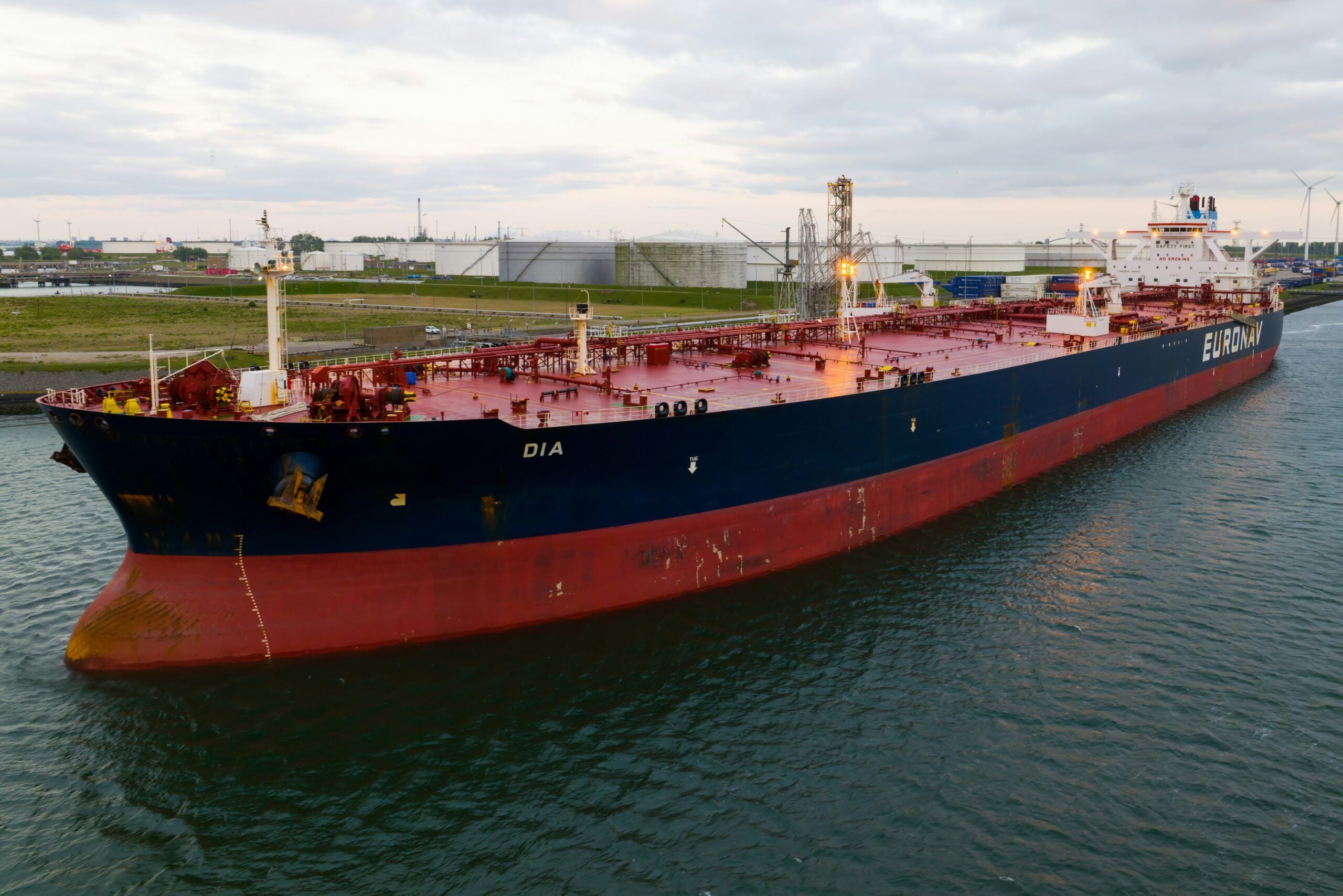
Iran has begun charging oil tankers a toll of $1 per barrel in cryptocurrency to cross the Strait of Hormuz, according to a description of the system provided to the Financial Times. The move is presented as the first time a sovereign state has required crypto payments for access to a critical global shipping lane.
Iranian authorities require tankers to email cargo details in advance. After assessing the vessel, they instruct crews to settle the payment in digital assets such as bitcoin within seconds of approval.
A fully loaded VLCC supertanker carrying roughly two million barrels could face a toll approaching $2 million per crossing.
The Strait of Hormuz carries approximately 20% of the world’s oil and liquefied natural gas supply. Before the conflict, between 100 and 120 commercial vessels transited the lane daily, according to data from Kpler.
Iran’s parliament has formally codified the toll structure in the “Strait of Hormuz Management Plan,” approved March 30–31, 2026. Fees vary by vessel type and country of origin, and ships linked to the U.S. or Israel are denied transit entirely.
The arrangement aligns with Iran’s established sanctions-evasion strategy. Blockchain analytics firm TRM Labs reported that the IRGC has routed approximately $1 billion through offshore stablecoin infrastructure, leveraging crypto’s low transaction costs and its ability to operate outside U.S. correspondent banking.
Iran’s use of bitcoin in this setting is described as an extension of that approach. The Block also cited surges in Iranian bitcoin transaction volume in March 2026 as regional tensions escalated.
Geopolitical developments intensified quickly. By Thursday morning, Iranian Parliament Speaker Mohammad Bagher Ghalibaf said three clauses of the ceasefire proposal had been violated.
The White House said the ceasefire requires the strait to be open “without limitation, including tolls.” As of Thursday, the strait remained effectively closed to normal tanker traffic, according to the report.
In energy markets, Brent crude rebounded approximately 2% to around $97 after a more-than-10% single-day collapse on Wednesday, described as its worst plunge in six years.
The report frames the bitcoin toll system as giving the asset a new, contested role in sovereign commerce. At the same time, the ceasefire’s fragility and the rebound in oil prices are cited as indicators that macro risk previously priced into bitcoin is returning.
Premium gym chains are entering a “golden era” that is ending or already in decline, as rising operating costs collide with shifting consumer preferences toward more flexible, community-based ways to exercise. Long-term memberships are shrinking, margins are pressured by higher rents and facility expenses, and competition from smaller, more personalized…