•
•
•
•
•
•
•
•
•
•
•
•
•
•
•
•
•
•
•
•
•
•
•
•
•
•
•
•
•
•
•
•
•


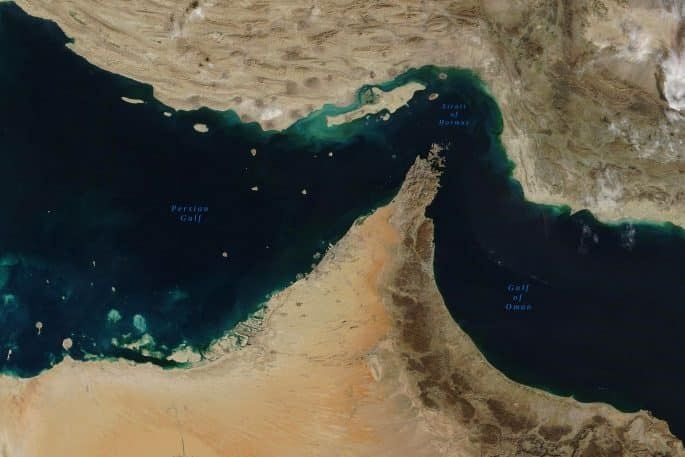
Iranian naval forces have claimed they blocked US and Israeli carrier strike groups from entering the Sea of Oman. In parallel, a prediction market tracking whether the UK will send warships through the Strait of Hormuz by April 30 shows the odds falling to 6% YES, down from 12% a week earlier.
The UK warships transiting the Strait of Hormuz contract is priced at 6¢ for a YES share. The halving from 12% to 6% over one week coincides with Iran’s assertion of a blockade, which the market appears to interpret as a willingness to physically contest allied naval access to the Sea of Oman even during a fragile US-Iran ceasefire.
The market’s daily face value is $24,906, with $2,086 in actual USDC turnover. Liquidity is thin: $427 in additional trading volume would move the price by 5 percentage points, meaning relatively small trades can swing the odds substantially.
Under the contract terms, a YES share at 6¢ pays $1 if the UK sends warships through the Strait by April 30, implying a 16.7x return. This pricing indicates strong skepticism among market participants about a UK deployment while Iran is actively contesting passage.
Iran’s claim of control over the Sea of Oman increases the risk of escalation and may discourage allied warship transits in the near term. The market’s move toward lower odds reflects that shift in perceived risk.
Market participants are expected to monitor statements from UK Defence HQ and any confirmed naval movements. Any confirmed UK warship deployment toward the Strait would likely trigger a sharp repricing.

Premium gym chains are entering a “golden era” that is ending or already in decline, as rising operating costs collide with shifting consumer preferences toward more flexible, community-based ways to exercise. Long-term memberships are shrinking, margins are pressured by higher rents and facility expenses, and competition from smaller, more personalized…