•
•
•
•
•
•
•
•
•
•
•
•
•
•
•
•
•
•
•
•
•
•
•
•
•
•
•
•
•
•
•
•
•


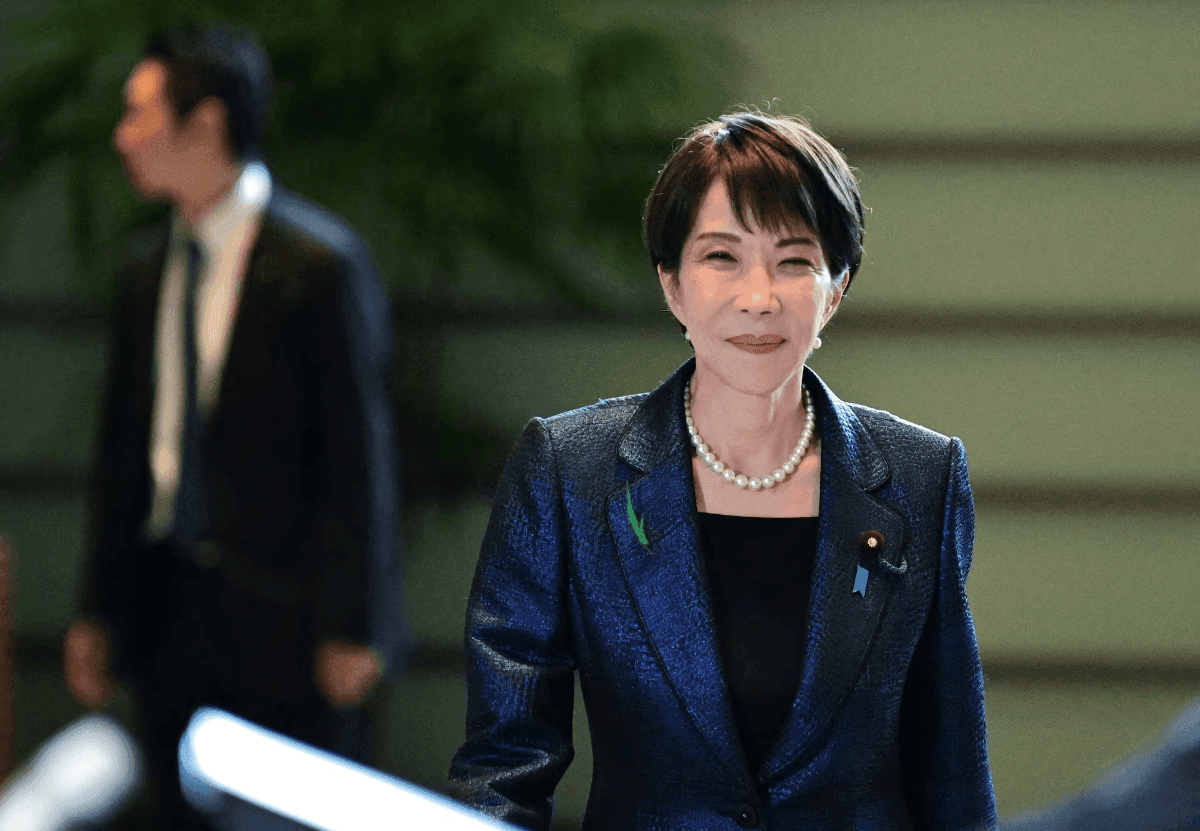
Japan plans to establish a financial framework of about $10 billion to help Asian countries secure energy supplies and expand energy storage, as tensions in the Middle East have pushed crude oil and natural gas prices higher and disrupted supply chains. The support mechanism is intended to prevent ripple effects on Japan’s own supply chains, according to Reuters.
The funding will be disbursed mainly through state-backed financial institutions, including the Japan Bank for International Cooperation (JBIC) and Nippon Export and Investment Insurance (NEXI). Prime Minister Sanae Takaichi said the support would be equivalent to an oil volume of up to 1.2 billion barrels, which she described as matching the annual oil imports of ASEAN.
The plan was announced after the online AZEC summit under the Asia Zero-Emission Community (AZEC) initiative led by Japan. Vietnam’s Government Portal reported that Prime Minister Le Minh Hung participated.
The summit was attended by leaders from 15 countries, including 10 AZEC member nations: Japan, Australia, Brunei, Cambodia, Indonesia, Malaysia, the Philippines, Singapore, Thailand and Vietnam. It also included five guest countries: South Korea, Bangladesh, India, Sri Lanka and East Timor, along with leaders of the Asian Development Bank (ADB) and the International Energy Agency (IEA).
“Japan has close interdependent links with Asian countries through supply chains and other channels, and we are mutually dependent. Supporting Asia's supply chains will benefit Japan’s economy,” Takaichi said after the summit.
The plan includes providing credit to enterprises in recipient countries so they can seek alternative energy sources for supplies disrupted by conflict, including crude oil from the United States. It also funds loans for businesses and countries that are part of Japan’s supply chain.
The measures are aimed at diversifying energy supply sources and strengthening energy storage capacity in partner countries.
Southeast Asian nations have smaller oil reserves, contributing to tighter supplies of crude and petroleum products such as naphtha as the U.S.-Iran conflict persists. Disruptions in production in Southeast Asia have raised concerns among Japanese healthcare providers that rely on Asia for essential supplies including containers, test tubes and gloves.
Japan’s Agency for Natural Resources and Energy said about 90% of crude oil shipped through the Hormuz Strait goes to Asian destinations. To date, Iran has closed the Hormuz Strait for 45 days, and the U.S. began blockading the strait on April 13.
Sources told Reuters that traffic through Hormuz—where 20% of global crude oil and LNG ordinarily pass—has remained limited, with only a few ships per day, far below the more than 130 per day recorded prior to the conflict.
The Japanese government said it has secured enough naphtha for domestic use for roughly four months, though many producers have indicated delivery disruptions in recent days. On April 15, it also announced plans to release an additional 36 million barrels of oil from the national stockpile starting in early May to augment market supply.





Premium gym chains are entering a “golden era” that is ending or already in decline, as rising operating costs collide with shifting consumer preferences toward more flexible, community-based ways to exercise. Long-term memberships are shrinking, margins are pressured by higher rents and facility expenses, and competition from smaller, more personalized…




