Geopolitical tensions are reviving investors’ traditional “safe haven” reflexes. In this environment, Robert Kiyosaki argues that bitcoin could benefit as market participants look for alternatives to traditional financial assets.
Kiyosaki, author of the best-seller Rich Dad, Poor Dad, said the recent surge in gold is a signal that could precede a broader rise in crypto. He pointed to a move in the precious metals market, writing: “gold jumped 128 dollars in one day. Even better: silver and bitcoin could soon soar. Hold on tight”.
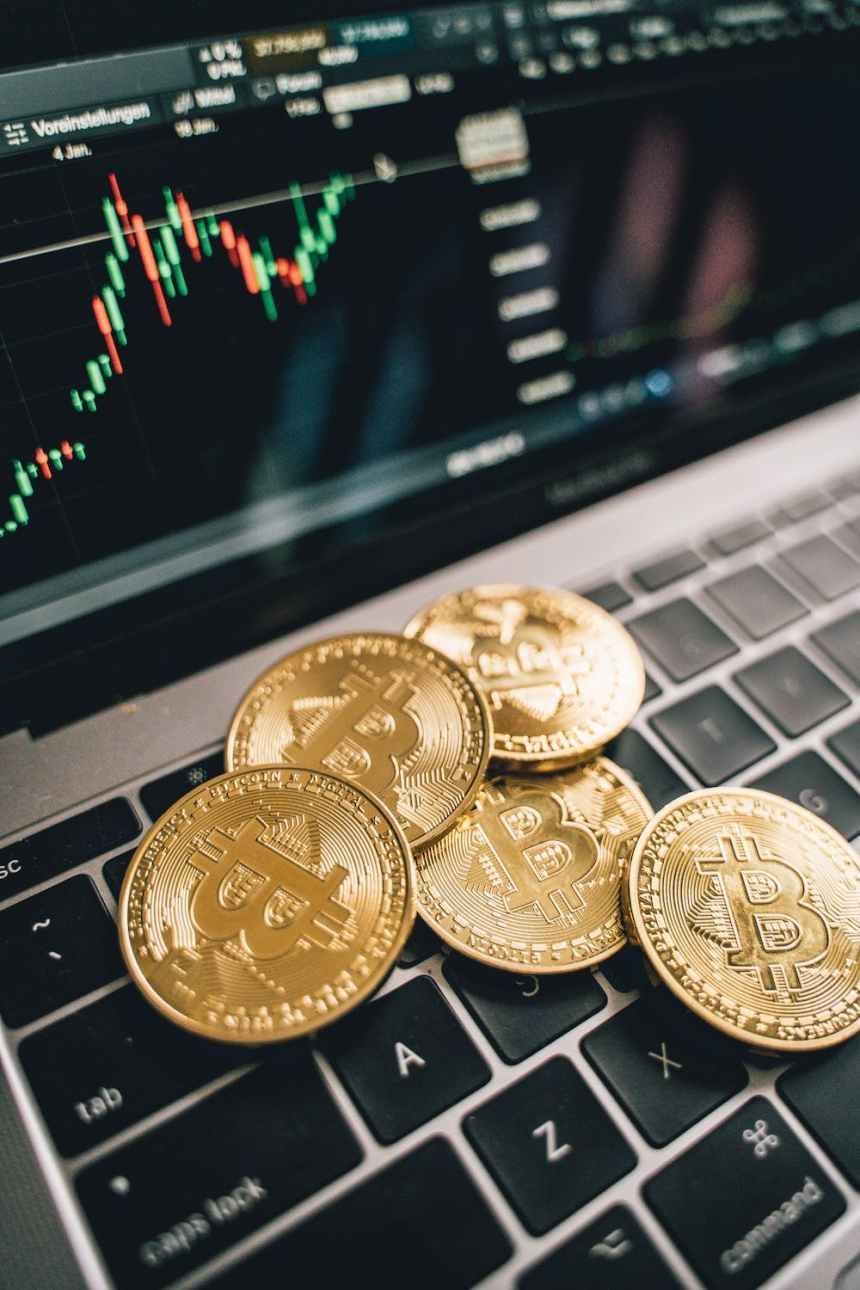
His comments come as bitcoin recently surpassed 73,000 dollars, reigniting discussion about bitcoin’s role during periods of international uncertainty.
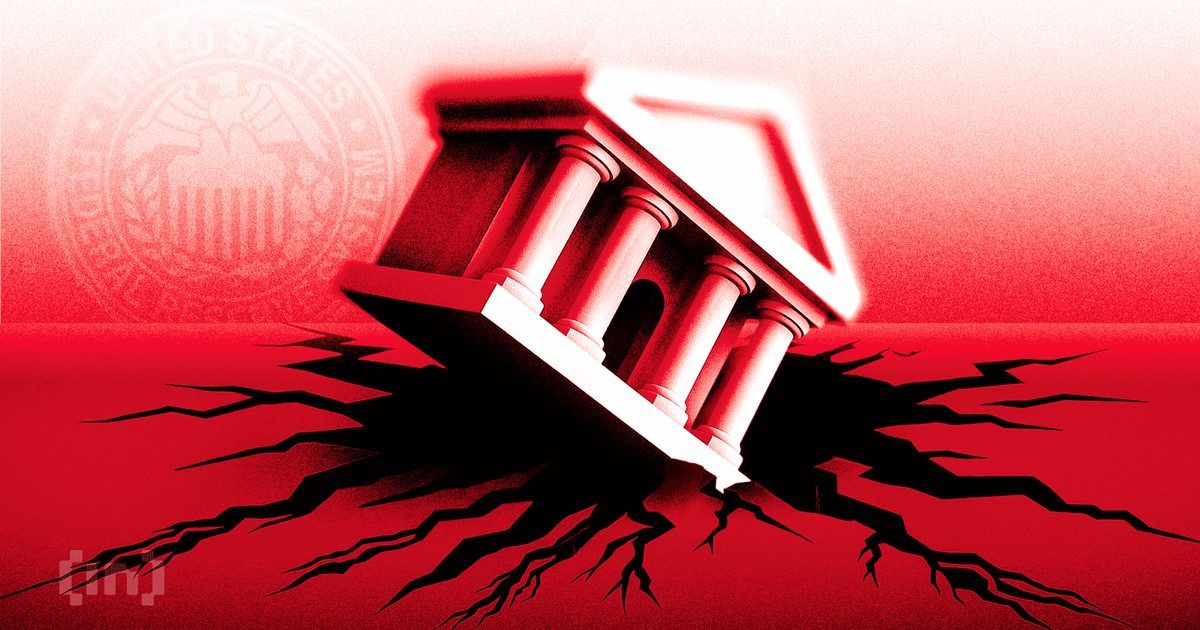
Beyond Kiyosaki’s remarks, some analysts note that geopolitical crises can strain traditional financial systems. They cite mechanisms such as bank restrictions, capital controls, or currency devaluations, which can encourage some investors to seek instruments that operate outside conventional banking infrastructure.
In that framework, bitcoin is often presented as a decentralized asset that can be held through digital wallets, potentially offering a way to diversify away from national financial constraints.
Recent investment flows were also cited as evidence of growing interest. During the previous week, 881 million dollars flowed into bitcoin-related investment products, while 117 million dollars were directed toward Ethereum.
Observers say the current geopolitical backdrop highlights how sensitive markets remain to crises. For some, bitcoin could gain from this uncertainty as investors continue seeking alternatives to traditional assets. The article notes, however, that it remains an open question whether the context will be sufficient to sustain bitcoin’s price as investors weigh other options.