•
•
•
•
•
•
•
•
•
•
•
•
•
•
•
•
•
•
•
•
•
•
•
•
•
•
•
•
•
•
•
•
•


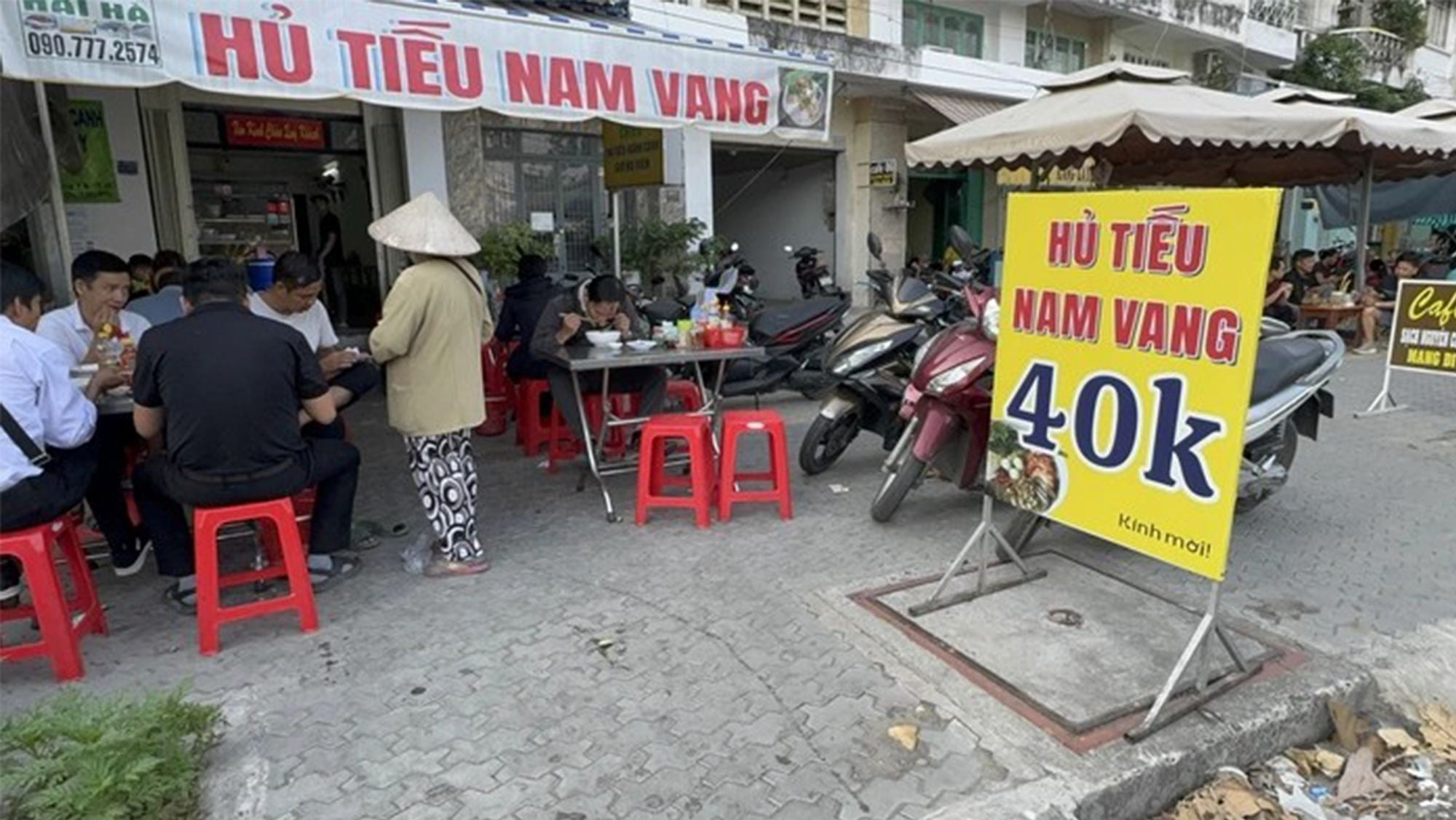
Living costs remain elevated as recent fuel price cuts have not translated into lower consumer prices, particularly in food and beverage outlets.
Starting at 0:00 on April 16, 2026, the inter-ministry of Industry–Trade and Finance adjusted retail fuel prices. Diesel fell by 1,920 dong per liter to 31,040 dong per liter, while mazut fell by 2,280 dong per kg to 20,330 dong per kg.
After three fuel price adjustments since April 8, 2026, diesel prices have dropped by a total of 13,740 dong per liter, and mazut by 4,260 dong per kg.
Because diesel affects transport costs, consumers expected the cost of living to ease. However, in wet markets and eateries, retail prices have hardly fallen.
From the start of April 2026 to now, many eateries in Ho Chi Minh City have raised prices by 2,000–5,000 dong per dish without signs of cuts. For example, a cá canh Mã Tòi shop on Van Kiếp Street (Gia Định Ward) increased the price from 37,000 to 40,000 dong per bowl; it had previously risen from 35,000 to 37,000 dong per bowl. The owner said the increases help cover costs and maintain quality.
A chicken-focused restaurant on Bạ Huyện Thanh Quan Street (Xuân Hoà Ward) raised prices by 5,000 dong per dish, bringing soups and noodles to 55,000 dong per bowl. A Nha Trang fish cake cafe on Hiệp Binh Street announced a 5,000 dong per bowl increase from April 20, citing rising input costs.
Some vendors said they have not been able to cut prices yet. Ms. Hồng Thấm, a breakfast vendor in An Khánh Ward, raised noodles and pho prices by 5,000 dong per bowl due to sharply rising gas prices. She noted that even though gas prices have since fallen, the reduction is limited: gas rose by 200,000–300,000 dong per 12 kg cylinder and is now down only by a few tens of thousands, still around 550,000–600,000 dong per cylinder, so prices cannot be cut immediately.
Mr. Le Bình, a noodle seller in Bình Tiên Ward, said gas prices have not returned to 400,000 dong per cylinder, so food prices remain high to avoid losses. He also emphasized that fuel prices are volatile and dish prices cannot be adjusted continuously like stock prices.
Price increases are not limited to food. A cafe in Bình Trưng Ward raised prices from 15,000 to 17,000 dong per cup. Fresh coconut drinks are up to 20,000 dong per cup. “The increases are not large, but cumulatively across items it becomes a notable expense,” said Huỳnh Vân (Ho Chi Minh City).
Some sellers are considering whether to raise prices further or hold steady to avoid losing customers. Thanh Thảo, who runs a Quảng-style noodle stall in Hiệp Bình Ward, said she is considering an additional 1,000–3,000 dong per bowl due to input costs but is hesitant. “The shop already increased a bowl by 5,000 dong after Tet; another increase could drive customers away,” she said.
Owners argue that once prices rise, lowering them again is difficult. “If you raise prices when costs are stable, you risk losing customers,” said the owner of a pho stall.
Explaining why fuel and gas declines have not cooled food prices, Mr. Nguyễn Thái Bình, co-founder of Mapdy.vn and Concepts Academy (VCS), said that in the food and beverage sector, prices do not move based on a single factor such as fuel. Fuel is only part of the cost structure.
He noted that even when domestic fuel prices fall, the reduction mainly affects transport and delivery costs rather than the full operating costs of eateries. Dish prices also tend to lag because shops typically adjust based on average costs over weeks or months, not short-term fluctuations.
Mr. Bình added that businesses have faced multiple pressures beyond fuel, including high rents, wages, electricity, and packaging. When some input costs ease, savings are often used to restore margins rather than cut prices immediately.
He also cited the Vietnam F&B Market 2025 report by iPOS.vn and Nestlé Professional, which indicates ongoing pressure from labor costs, cautious demand, premises costs, and compliance costs such as electronic invoices and taxes—suggesting operating pressure extends beyond fuel.
As eateries’ prices rise while fuel prices fall, consumers are tightening spending, reducing dining out, or switching to cooking at home.
From a retailer’s perspective, Võ Thanh Lộc, co-founder of Farmers Market, said the overall price level has not dropped in line with fuel prices due to lag. He added that imported goods face longer transport and storage times, keeping costs elevated. “Prices are affected by many cost factors, not just fuel. But this season is a retail off-peak, so prices are somewhat restrained,” Lộc said.
To boost demand, retail chains should promote domestically produced goods with equivalent quality but more competitive prices, according to Mr. Võ Thanh Lộc. He said consumers are shifting toward domestic products to fit budgets, supporting supermarket revenue growth in this segment.
“This is a favorable period for high-quality products at competitive prices to replace higher-cost supply. Vietnamese goods can replace imported goods if quality is comparable,” Lộc emphasized.







Premium gym chains are entering a “golden era” that is ending or already in decline, as rising operating costs collide with shifting consumer preferences toward more flexible, community-based ways to exercise. Long-term memberships are shrinking, margins are pressured by higher rents and facility expenses, and competition from smaller, more personalized…




