•
•
•
•
•
•
•
•
•
•
•
•
•
•
•
•
•
•
•
•
•
•
•
•
•
•
•
•
•
•
•
•
•


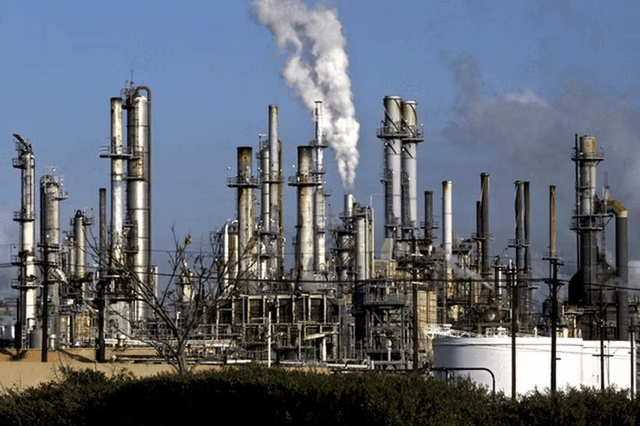
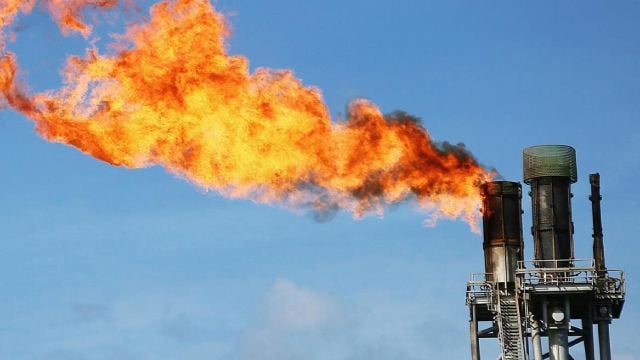
Israel’s energy system is highly centralized, spanning from offshore gas platforms to power plants and refineries, making the country vulnerable if attacks continue. A oil field in Libya. (Photo: cgsrs) According to a reporter from the Vietnam News Agency (TTXVN) in the Middle East, Israel has recently carried out strikes targeting Iran’s fuel and gas infrastructure, while Tehran has retaliated with assaults on refinery systems, especially in Haifa. This development shows that energy systems are becoming a key target, not merely traditional military bases. Analysts say this trend risks a spiral of escalation because energy facilities are highly vulnerable and directly linked to civilian life. For Israel, the energy system is highly centralized, from offshore gas platforms to power plants and refineries, making Israel vulnerable if attacks persist. History has shown that the risk is not merely theoretical. In the 1991 Gulf War, burning hundreds of Kuwait’s oil wells caused an environmental disaster that lasted for months. In 2006, an airstrike in Lebanon led to a major oil spill in the Mediterranean. More recently, the conflict in Ukraine has damaged energy infrastructure, causing widespread pollution and disrupting essential systems. In the current context, the impact on the economy, energy, and environment is even more severe due to the Gulf region’s central role in the global supply chain. Any disruption at the Hormuz Strait has global spillover effects, pushing up prices for energy and fertilizers and creating food-security risks. Countries reliant on desalination face potential water shortages if energy is disrupted or if marine environments become polluted. In Iran, damage to energy infrastructure directly affects ordinary people by causing outages and air pollution, while increasing the burden on the state. Meanwhile, disrupted energy supply chains raise costs across the economy. Electricity prices, transportation and basic goods costs are pushed higher, creating spillover pressures throughout the economy. Tanker traffic at Hormuz has been subject to disruption, further impacting global energy costs and trade flows. The energy-targeting trend is changing the nature of conflict in the Middle East, with the lines between military and civilian targets blurring. Short-term tactical gains may come at the cost of larger, longer-term systemic risks, requiring stakeholders to weigh next steps carefully. Axios cited US defense officials estimating that Iran has suffered about $4.8 billion in oil revenue losses since the naval blockade of its ports. Two oil tankers have been seized and 53 million barrels aboard 31 ships are stuck in the Gulf. Meanwhile, other vessels have had to reroute at higher costs. Iranian officials contend that the United States has expended about $100 billion, four times the previously disclosed amount, since the start of the joint campaign with Israel against Tehran. Iranian Foreign Minister Seyed Abbas Araghchi suggests indirect costs to US citizens are even higher. Source: VietnamPlus





Premium gym chains are entering a “golden era” that is ending or already in decline, as rising operating costs collide with shifting consumer preferences toward more flexible, community-based ways to exercise. Long-term memberships are shrinking, margins are pressured by higher rents and facility expenses, and competition from smaller, more personalized…