•
•
•
•
•
•
•
•
•
•
•
•
•
•
•
•
•
•
•
•
•
•
•
•
•
•
•
•
•
•
•
•
•


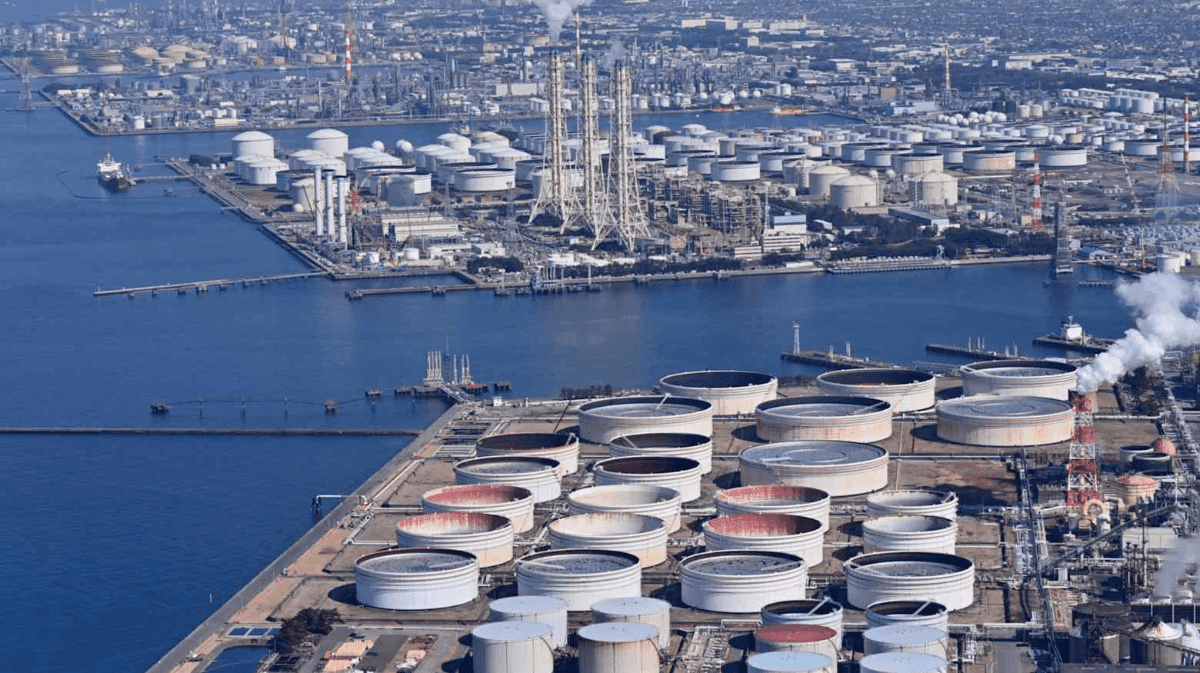
Geopolitical instability in the Middle East has disrupted naphtha supply, a key feedstock for Japan’s petrochemical industry. To keep production running, Japanese companies have increasingly turned to substitute sources, with China emerging as a major option as imports of chemical inputs rise.
Trade data from Japan and Chinese customs cited by Nikkei Asia show that Japan’s imports of high-density polyethylene (HDPE) from China increased by about 170% year-on-year in March. The volume was also 20% above last year’s monthly average.
HDPE is widely used in plastic bags, food containers, and cleaning products. Imports of polystyrene—used in food trays and components for household appliances—rose 76% year-on-year in March.
Overall, imports of key plastic feedstocks from China rose 27%.
The Middle East crisis is not only pushing Japan to import products it had previously sourced from China, but also reviving demand for chemicals Japan had not imported from China for years.
For instance, after not importing butadiene from China since 2021, Japan imported 1.97 million kg of butadiene from China in March. Butadiene is a basic chemical used in tire production, and substitutes are difficult to find.
China’s trade data also indicate that, for the first time in six and a half years, Japan imported mixed xylenes from China. Mixed xylenes are a key component in paint solvents, which are currently in short supply in Japan. Small and medium-sized Japanese firms have faced challenges importing xylenes due to Chinese customs controls, while larger firms with brokerage ties to the government appear to have begun purchasing from China.
Basic chemicals such as ethylene, propylene, and butadiene are produced from naphtha. More than 80% of Japan’s naphtha comes from the Middle East, and supply has tightened after the closure of the Hormuz Strait.
As a result, many facilities producing these chemicals have cut output and operated at minimum levels to maintain the supply chain.
China appears to be managing the situation better, supported by a more diversified crude oil supply chain and the ability to produce chemical feedstocks from coal or natural gas-derived ethane.
China is maximizing coal-based chemical production using abundant domestically mined coal. China Shenhua Energy, one of China’s leading coal companies, reported a 10% year-on-year increase in polyethylene sales in March this year. At Sinopec, coal-based chemical operations are “running at full capacity,” and plans for large-scale plant modernizations have been postponed, according to Vice Chairman Zhao Dong at a press conference late last month.
The Chinese government has restricted exports of certain fuels and petroleum products that are in short supply domestically. However, companies continue to export products outside those limits.
“There is greater interest in importing from China to offset the uncertainty of supply from the Middle East,” said a representative of a Japanese trading company.
China has also stepped up exports of cheaper chemicals as domestic demand remains sluggish.
While the shift toward Chinese sourcing may be driven by emergency conditions, the article warns it could become a longer-term change that would pose challenges for Japanese chemical manufacturers.
In recent years, Japanese chemical companies have already reduced production capacity to cope with weakening domestic demand. Higher imports from China could force further scaling back.
A similar dynamic has occurred in the steel sector, where persistent oversupply from Chinese producers contributed to a flood of low-priced steel on global markets. Japanese steelmakers including Nippon Steel and JFE Holdings have undergone restructurings to withstand downward pressure on prices.







Premium gym chains are entering a “golden era” that is ending or already in decline, as rising operating costs collide with shifting consumer preferences toward more flexible, community-based ways to exercise. Long-term memberships are shrinking, margins are pressured by higher rents and facility expenses, and competition from smaller, more personalized…




