•
•
•
•
•
•
•
•
•
•
•
•
•
•
•
•
•
•
•
•
•
•
•
•
•
•
•
•
•
•
•
•
•


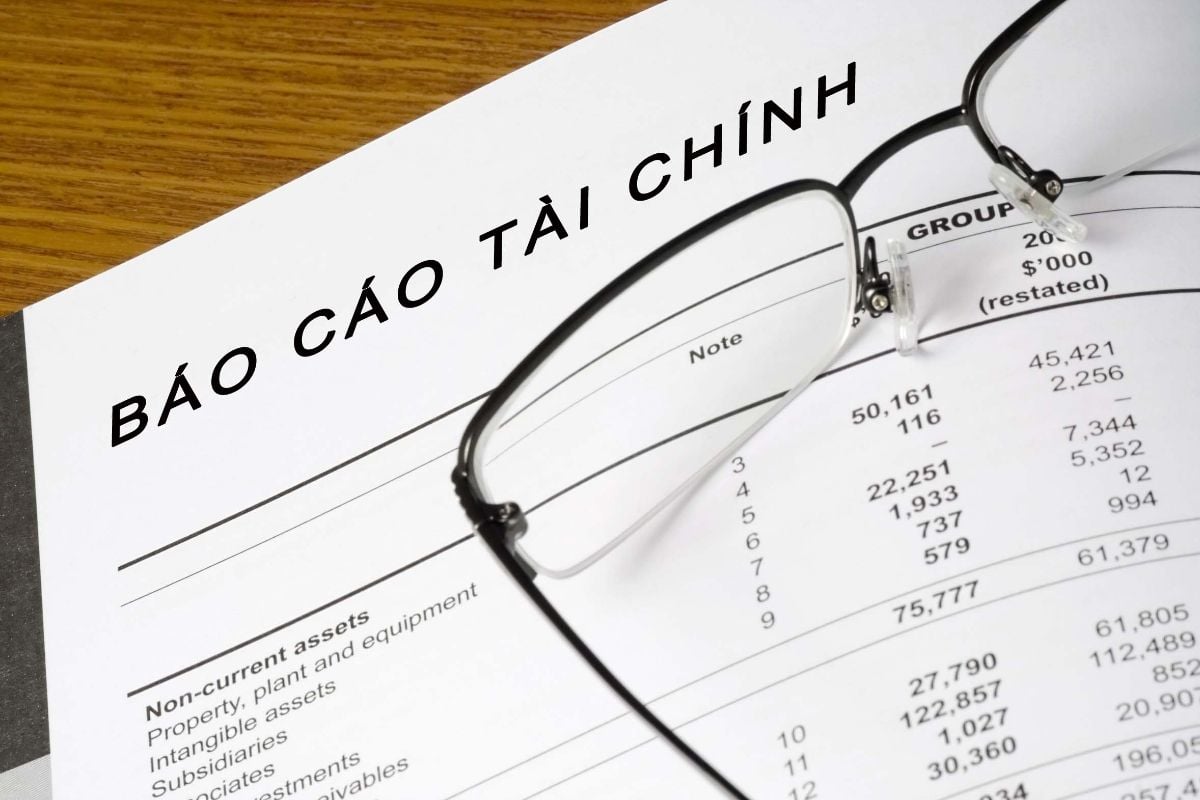
The Government has issued Decree No. 140/2026/NĐ-CP on state financial reporting, establishing a framework for compiling, presenting, and publishing state financial information. The decree takes effect from 16 April 2026 and applies to the preparation of state financial statements from 2025 onward.
The decree specifies that state financial statements include the following core components: (i) the financial position statement, (ii) the statement of financial performance, and (iii) the cash flow statement and accompanying notes.
The financial position statement is described as a consolidated report reflecting the State’s assets and capital, covering both nationwide and local levels, at the end of the reporting period.
State assets include assets entrusted to agencies, units, and organizations for management, use, and exploitation as prescribed, with impairment allowances where applicable. However, the decree excludes certain special assets from the report scope, including antiquities, museum artifacts, historic relics, valuable documents, land not yet granted usage rights, and resources not yet valued.
Assets are classified as current and long-term, including cash and cash equivalents, financial investments, receivables, inventories, loans, infrastructure assets, fixed assets at the unit level, construction in progress, and other assets.
State funding comprises liabilities and net assets. Liabilities are current obligations arising from past events whose settlement would reduce the State’s resources, including government debt, local government debt, and other payables. Net assets reflect the State’s true net value at the reporting date, including cumulative surpluses or deficits, funds, and other net asset components.
The decree sets out public disclosure of state financial statements. Provincial people’s committees are responsible for disclosing information on assets, funding, financial performance, surpluses or deficits, and cash flows within their localities, except for content related to defense, security, national reserves, or classified state secrets.
Similarly, the Ministry of Finance publishes state financial statements nationwide with corresponding content. Disclosure is to be carried out through multiple channels, including posting on official portals, issuing publications, or other regulated means.
The disclosure deadline is within 30 days from the date the report is presented to the competent authority.
The decree emphasizes the obligation to provide financial information for reporting. The Ministry of Finance leads the collection of information from budget-revenue agencies, fund management authorities, and related units at the central level.
The highest-level central accounting units and independent accounting units must submit consolidated financial statements, annual financial statements, and supplementary reports by July 5 of the following year.
Agencies and units are responsible for accuracy and for completing the Financial Information Report within five working days from the date of a request by the Ministry of Finance.
If reporting is not fully and timely complied with, the Government states that the Ministry of Finance may temporarily suspend budget spending for violating units, except for essential expenditures such as salaries, social allowances, or scholarships. Fund allocation can be resumed only after units have remedied and fully complied with the regulations.







Premium gym chains are entering a “golden era” that is ending or already in decline, as rising operating costs collide with shifting consumer preferences toward more flexible, community-based ways to exercise. Long-term memberships are shrinking, margins are pressured by higher rents and facility expenses, and competition from smaller, more personalized…




