•
•
•
•
•
•
•
•
•
•
•
•
•
•
•
•
•
•
•
•
•
•
•
•
•
•
•
•
•
•
•
•
•


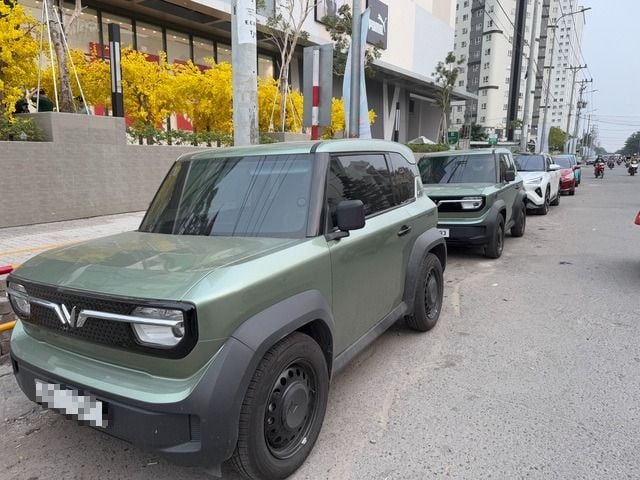
The Ministry of Finance is drafting a resolution to extend special consumption tax (TTĐB) incentives for battery-powered electric vehicles through the end of 2030, keeping preferential tax rates at 1% to 3% depending on vehicle type.
Under existing regulations, the TTĐB rate for battery-powered electric cars is set by passenger capacity. From March 1, 2022, the rates are:
From March 1, 2027, the rates increase to 11%, 7%, and 4% respectively for the same seat brackets.
The Ministry says the current preferential TTĐB level for electric cars (1% to 3%) is low compared with fossil-fuel vehicles (10% to 150%), which helps consumers buy EVs through tax incentives and supports lower prices. For businesses, it argues that higher sales can drive investment, expand production, and improve business operations.
Tax authority data cited by the Ministry show that the number of battery-powered under-24-seat vehicles imported or domestically produced increased from 7,663 in 2022 to 179,316 in 2025. Over the same period, state budget revenue from this vehicle group rose from 213.38 billion VND to 2,371.97 billion VND.
The Ministry also links the proposal to Vietnam’s COP26 commitments, saying extending preferential TTĐB through 2030 would maintain policy consistency with environmental protection and sustainable development, while reducing dependence on fossil fuels amid price volatility.
It further argues that continuing to promote battery-powered EVs is a key measure to cut greenhouse gas emissions, reduce urban pollution, and gradually replace fossil-fuel-powered vehicles in line with Vietnam’s international commitments.
In the draft, the Ministry of Finance proposes extending the TTĐB incentives for under-24-seat battery-powered vehicles with the following rates and effective dates:
The Ministry of Industry and Trade said that maintaining preferential TTĐB at 1% to 3% through 2030 would continue to boost the adoption of battery-powered EVs, particularly in the 9-seat and smaller segments.
The Ministry of Finance estimates that extending TTĐB incentives through 2030 would reduce state revenue by about 10 trillion VND per year. It breaks this down into:
The Ministry notes that these estimates do not include potential effects from reductions in TTĐB, value-added tax, or registration fees for gasoline-powered vehicles as EV adoption grows and the number of gasoline vehicles declines.






Premium gym chains are entering a “golden era” that is ending or already in decline, as rising operating costs collide with shifting consumer preferences toward more flexible, community-based ways to exercise. Long-term memberships are shrinking, margins are pressured by higher rents and facility expenses, and competition from smaller, more personalized…



