•
•
•
•
•
•
•
•
•
•
•
•
•
•
•
•
•
•
•
•
•
•
•
•
•
•
•
•
•
•
•
•
•


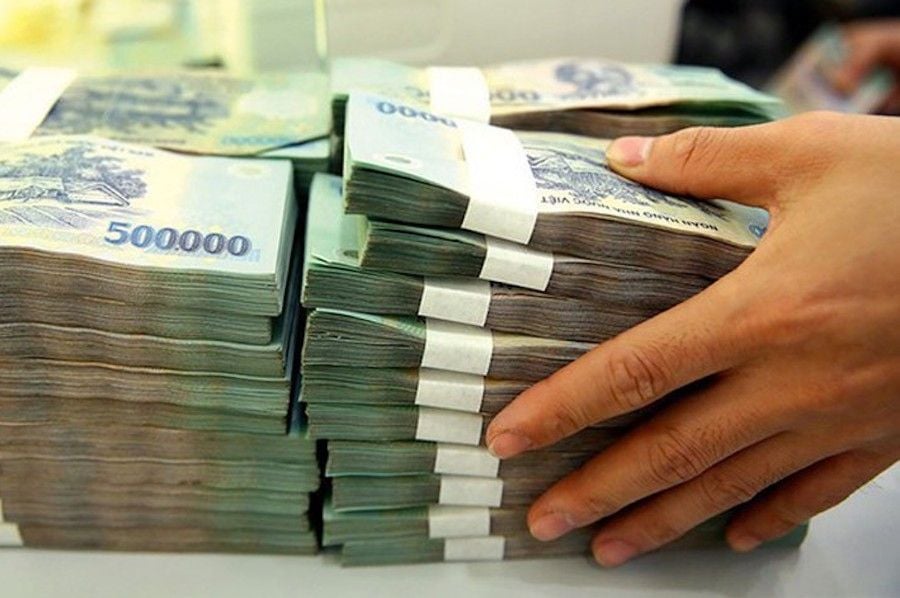
The Ministry of Public Security says monetary penalties for certain offenses are not yet appropriate under the current Penal Code, particularly for violations in production, business and commerce; taxation, finance, banking, securities and insurance; and other acts that infringe upon economic management order. The ministry is seeking public feedback on a draft revision of the Penal Code that would adjust penalty regulations and related enforcement measures.
According to the ministry, the range of offenses eligible for monetary penalties under the current Penal Code remains relatively narrow and does not cover all relevant cases. It also argues that minimum fines set in the law are too low to match current economic and social conditions.
Specifically, the ministry cites minimum fines under:
The ministry says these levels are not aligned with changes in the base wage and average per-capita income since 2009 and 2015, respectively.
The ministry also states that monetary penalties for offenses with illicit-profit characteristics remain inappropriate. It says penalties for offenses in production, business and commerce; taxation, finance, banking, securities and insurance; and other violations infringing economic order are still too low compared with the country’s current economic and social conditions.
In practice, the ministry notes, such offenders often generate very large illicit profits, with some cases reaching trillions of dong. It argues that raising monetary penalties is necessary to improve deterrence and strengthen asset-recovery effectiveness.
Under the draft proposal, the Ministry of Public Security would expand the scope of monetary penalties for certain offenses and raise penalty levels to ensure they are sufficiently stringent and deterrent.
The draft also adds provisions allowing a monetary penalty instead of imprisonment for some less serious offenses, and for more serious offenses if the offender meets conditions including sincere confession, remorse, active cooperation in investigation, prosecution and trial, and full remediation of consequences with compensation for all damages.
The ministry intends to continue narrowing the scope of the ten offenses still subject to the death penalty under the current Penal Code. It would retain the death penalty only for offenses with a “serious criminal nature” that infringe on especially important objects and cause significant economic, social and security harm.
The proposal also adds electronic monitoring as a measure to enforce non-custodial reform, parole, conditional release, and other supervisory measures.
A notable point in the draft is a proposal to comprehensively cover asset forms directly related to crime, including cryptocurrencies, digital assets, negotiable instruments, and property rights, to align with current realities.
The explanatory notes say that under Article 47, “things, money” are defined as possible tools or means to commit crime, but these items can also be the “products” of crime and may be confiscated for the state. The ministry argues that in the 4.0 industrial revolution era, the term “things, money” does not fully reflect new phenomena such as cryptocurrency, software, computer programs, video games, and AI software—items that are not “things” in a purely physical sense but can be converted to material value and used as tools for crime.
The Ministry of Public Security says it will continue to invite public feedback on the draft revision of the Penal Code, including the proposed changes to monetary penalties, asset coverage, and enforcement measures.



Premium gym chains are entering a “golden era” that is ending or already in decline, as rising operating costs collide with shifting consumer preferences toward more flexible, community-based ways to exercise. Long-term memberships are shrinking, margins are pressured by higher rents and facility expenses, and competition from smaller, more personalized…