•
•
•
•
•
•
•
•
•
•
•
•
•
•
•
•
•
•
•
•
•
•
•
•
•
•
•
•
•
•
•
•
•


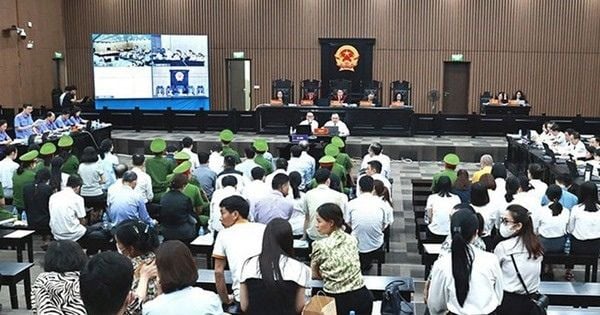
The Ministry of Public Security is seeking public feedback on a draft policy file for amendments to the Penal Code, proposing new provisions on exemptions from criminal liability. The ministry said practical enforcement has revealed cases where offenses cause damage, but—because of economic and social development goals, national defense and security, anti-corruption objectives, and socio-economic benefits for localities and the country—the consequences can be fully remedied. However, these acts are still being prosecuted criminally, which the ministry argues is inconsistent with reality, not fair, and does not encourage offenders to remedy consequences.
To address these issues, the ministry proposes adding a provision for a temporary suspension of criminal liability. The mechanism would provide time for offenders to remedy the consequences of the offenses described in the draft.
Alongside this, the ministry proposes a basis for exemption from criminal liability for individuals who have been temporarily exempted and meet all conditions for exemption. The ministry said the aim is to ensure consistency and coherence in the Penal Code, while encouraging offenders to remedy consequences and compensate damages so they can be exempt from criminal liability.
The draft also proposes modifications to allow exemption from criminal liability during the processing stage when receiving reports and denunciations of crime. Under the proposed approach, if there are grounds for exemption from criminal liability, exemption may be granted through a decision not to prosecute.
The ministry said this would address shortcomings of the current law, which only exempts from criminal liability after a prosecutorial decision is issued. It cited procedural delays and said the current approach fails to meet humanitarian principles.
The drafting body also highlighted economic and environmental crimes that are not aimed at illicit personal gain but are carried out for the public interest. It said that even with risk controls, damages may occur and can be fully remedied and compensated.
According to the ministry, exempting punishment in such cases would not align with the core objective of sanctioning economic or environmental offenses, which is to restore the original state and compensate damages, referencing Politburo Resolution 68 on private sector development. Therefore, the ministry proposes adding exemptions from punishment for certain offenses related to economic order that cause damage but are undertaken to promote economic and social development, national defense and security, and where damages have been fully remedied and compensated.
The draft further calls for exclusions from criminal liability for risks arising from research, testing, and the application of new production and business models that cause economic damage due to objective reasons.
In addition, the ministry proposes exclusions from criminal liability in cases where investigative measures by authorities are used to fight crime, provided that all procedures and processes are followed and there is no motive for personal gain or other personal motives intended to enhance crime-fighting effectiveness, consistent with current realities.
Premium gym chains are entering a “golden era” that is ending or already in decline, as rising operating costs collide with shifting consumer preferences toward more flexible, community-based ways to exercise. Long-term memberships are shrinking, margins are pressured by higher rents and facility expenses, and competition from smaller, more personalized…