•
•
•
•
•
•
•
•
•
•
•
•
•
•
•
•
•
•
•
•
•
•
•
•
•
•
•
•
•
•
•
•
•


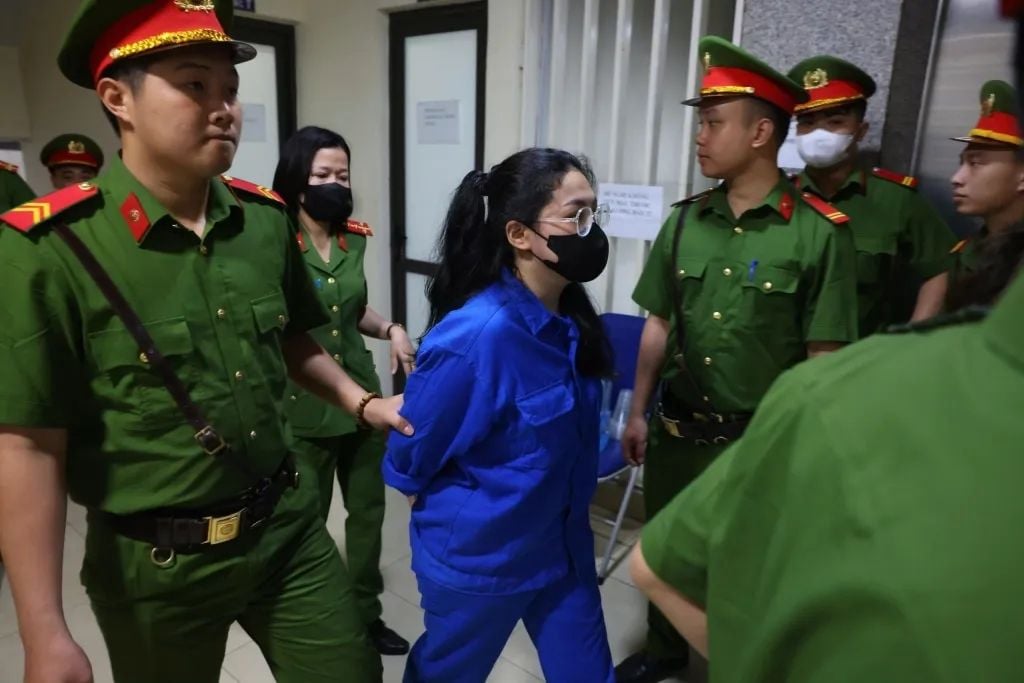
On April 20, the Ministry of Public Security published a dossier seeking public policy comments on draft amendments to the Penal Code. The ministry said the reform is driven by urgent practical demands arising from social and economic changes, including the development of the socialist-oriented market economy, deeper international integration, and rapid advances in science and technology—especially digital technology.
The proposal states that criminal activity has become more complex and harder to predict. Traditional crimes have increased in both number and severity and increasingly operate in organized, transnational ways. It also notes that many harmful acts in areas such as high technology, data intrusion, cyberspace, the environment, and finance and currency require timely criminal-law provisions to address them.
The Ministry of Public Security said the draft aims to address practical shortcomings and improve compatibility with new or amended laws. It proposes to finalize and add rules on the exclusion of criminal liability, deferred prosecution, exemption from criminal liability, and exemption from punishment. The ministry also plans to add new offenses and new acts to ensure the Penal Code remains comprehensive, including updates to provisions on the elements of crimes and appropriate punishment.
Under “policy area 5,” the ministry plans to add several acts dangerous to society to address practical problems related to violations of pricing, auditing, testing, and certification.
According to the ministry’s explanatory notes, the current Penal Code lacks an independent offense that directly addresses violations of pricing, auditing, testing, and certification that result in serious consequences. In investigations involving corruption and economic cases, the explanatory notes say that when violations by price assessors, auditors, testers, or certifiers are found, those individuals are prosecuted under other offenses—for example, offenses such as violating bidding regulations causing serious consequences, or violating regulations on the management and use of state assets causing loss or waste—typically as accomplices or aides to the principal offender.
The explanatory notes argue that this approach is not appropriate for deterrence and prevention. It states that when leaders and individuals in agencies or enterprises carry out illegal price assessment, auditing, and appraisal duties but are prosecuted only for aiding offenses in other crimes, the legal treatment does not adequately address the conduct.
The draft also addresses banking-sector conduct. The explanatory notes state that Article 206 (Offense of violating banking activities and other related to banking) does not fully define the scope of banking activities and focuses only on some basic lending acts.
It adds that banks conduct many other activities, including credit guarantees, management of asset collateral, and post-disbursement loan management. The ministry says that if violations in these areas cause serious consequences, there is currently no legal basis to prosecute them criminally.
The proposal further highlights that certain violations of the Social Insurance Law can also lead to serious consequences but have not been defined as crimes within the group of insurance-related offenses.
Specifically, the explanatory notes refer to acts violating the law by insurance agencies using social insurance funds or unemployment insurance funds in contravention of the law and causing certain consequences.






Premium gym chains are entering a “golden era” that is ending or already in decline, as rising operating costs collide with shifting consumer preferences toward more flexible, community-based ways to exercise. Long-term memberships are shrinking, margins are pressured by higher rents and facility expenses, and competition from smaller, more personalized…