•
•
•
•
•
•
•
•
•
•
•
•
•
•
•
•
•
•
•
•
•
•
•
•
•
•
•
•
•
•
•
•
•


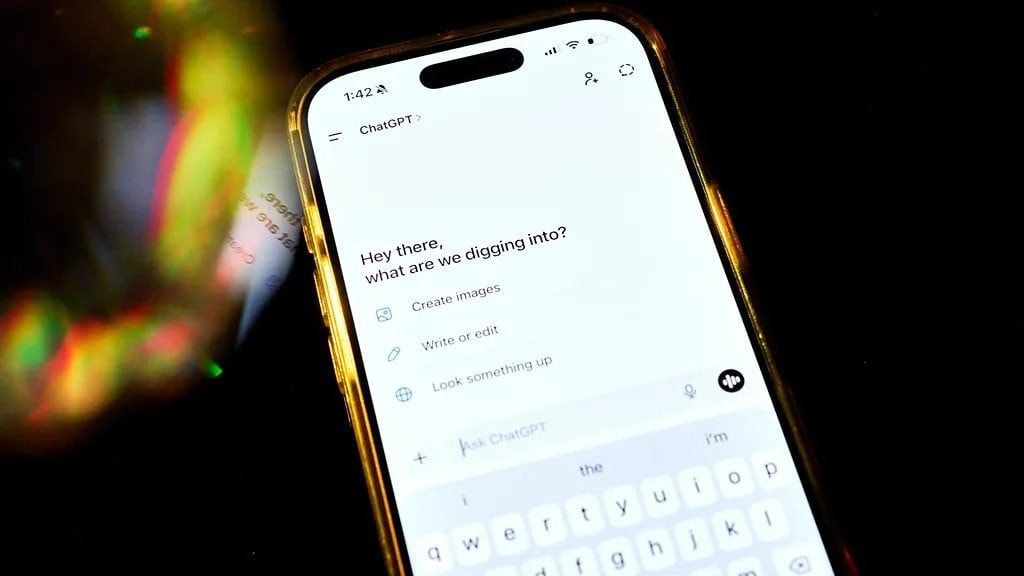
Researchers cited by BBC warn that as large language models (LLMs) increasingly replace humans in cognitive tasks, outsourcing thinking may carry an “unforeseeable consequence”: a steep cost to memory and core cognitive abilities.
Nataliya Kosmyna, a scientist at MIT, reported noticing a pattern while screening interns. She found job applications with highly polished, lengthy writing that appeared contrived in relation to her work—suggesting applicants had used tools such as ChatGPT or Claude to draft their materials.
Kosmyna also observed that MIT students were forgetting knowledge faster than before. The concern is framed in some studies as “cognitive load depletion,” which researchers associate with negative changes in fundamental cognitive abilities and potential health implications for the brain.
BBC reports that brain activity can drop dramatically after AI-assisted tasks. In one described study, after completing a writing assignment, participants who used AI struggled to cite content they had written themselves and reported feeling no connection to the work.
The article also discusses “cognitive surrender,” in which users accept AI outputs without scrutiny, including in high-stakes fields such as medicine where professionals are expected to think independently.
Berkeley research cited by BBC found that doctors relying on AI for cancer screening could under-detect tumors when working independently.
On creativity, AI-generated essays were described as often being judged “soulless,” lacking depth and originality. BBC also notes that four months after an experiment, participants who had used ChatGPT showed weaker neural connectivity when later required to write independently, suggesting they had not truly absorbed the knowledge the first time.
Neuropsychologist Vivienne Ming, referenced by BBC, argues that AI is most useful for assisting thinking rather than replacing it. Her Berkeley-based research using gamma waves is described as showing low cognitive effort activation among students who relied on AI.
Ming warns that even among highly capable students, the way humans interact with machines may produce a troubling signal. She emphasizes that continuous mental challenge is essential for creativity and mental resilience.
Ming proposes a hybrid intelligence model: people should think first, then use tools to test and critique their ideas. She also suggests using adversarial prompts—having AI act as a long-term skeptic to critique arguments—so the brain must work harder.
Another approach described is creating “effective friction” by asking AI open-ended questions rather than requesting direct answers, encouraging deeper human-AI interaction.
As Kosmyna is quoted by BBC, people should remain vigilant about cognitive shortcuts the brain tends to favor. The article concludes that challenging oneself remains the best support for sustained creativity and mental health.





Premium gym chains are entering a “golden era” that is ending or already in decline, as rising operating costs collide with shifting consumer preferences toward more flexible, community-based ways to exercise. Long-term memberships are shrinking, margins are pressured by higher rents and facility expenses, and competition from smaller, more personalized…