•
•
•
•
•
•
•
•
•
•
•
•
•
•
•
•
•
•
•
•
•
•
•
•
•
•
•
•
•
•
•
•
•


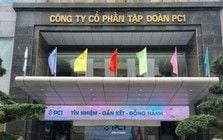
In the morning session on April 24, PC1 Group JSC’s stock continued to fall sharply. At market open, the price dropped to the floor at 22,450 VND per share, while the floor-sell backlog increased to over 22.6 million shares, indicating heavy selling pressure.
This was the eighth consecutive session of declines for the stock, including two sessions that hit the floor. Buying demand was nearly paralyzed as investors were unable to absorb the supply at the low price, pushing the shares into a no-bid state.
The sell-off suggests liquidity is leaving PC1 decisively, particularly at current low price levels. With the ongoing downtrend, the share price has retreated back toward the year’s opening range. Over the last two sessions, the company’s market capitalization fell by about VND 1.46 trillion.
In the near term, PC1 has lost nearly 19% of its value over eight trading sessions, falling from around 27,600 VND per share (recorded on April 15) to the current level. Previously, the stock peaked at 31,350 VND per share on March 3 before entering a deep correction.
On April 22, PC1 Group JSC held its 2026 Annual General Meeting.
Key 2026 targets approved at the meeting include consolidated revenue of VND 15,618 billion, up 19%; consolidated after-tax profit of VND 1,056 billion, down 22% from 2025; and a dividend payout target of 15%, unchanged from 2025.
Shareholders also approved plans to increase charter capital through three issuance options:
In total, PC1 plans to issue over 148 million shares. If completed, charter capital would increase from VND 4,112 billion to nearly VND 5,594 billion.
At the meeting, Chairman Trịnh Văn Tuấn said the company faces a very large equity capital requirement to support its ongoing investment strategy, particularly in infrastructure. He noted that proactively securing capital is important to avoid interruptions to growth momentum.
PC1’s industrial real estate segment includes projects with total investment of nearly VND 30,000 billion, covering locations such as Yen Phong, VSIP, Nomura 1 and Nomura 2. In the energy sector, the company aims to add at least 400–500 MW over the next five years.
In response to shareholders’ questions about not pursuing a public offering, PC1 leadership said it had carefully considered the option but prioritized issuing to existing shareholders. The stated goal is to limit dilution and maintain a stable ownership structure, with major shareholders’ control viewed as essential to preserving long-term strategic direction. If existing shareholders do not purchase all offered shares, the company will look for suitable partners to distribute the remaining shares.







Premium gym chains are entering a “golden era” that is ending or already in decline, as rising operating costs collide with shifting consumer preferences toward more flexible, community-based ways to exercise. Long-term memberships are shrinking, margins are pressured by higher rents and facility expenses, and competition from smaller, more personalized…


