Oil and gas firms in Vietnam’s downstream sector are progressively reconfiguring themselves across operating strategies, corporate governance, and capital structures in response to a rapidly changing and highly volatile
business environment. The market has seen world crude prices repeatedly breach USD 100 per barrel and then retreat sharply as geopolitical pressures ease, creating cash-flow and inventory risks for traders, distributors, and retailers.
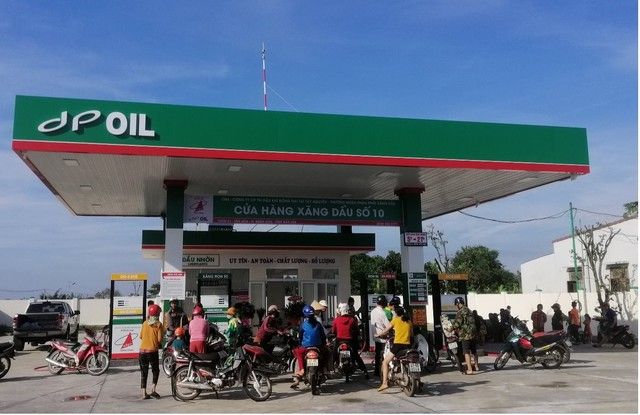
PVOIL is a typical example: the company posted almost VND 600 billion in net profit in Q1 2026 as global油 prices surged, but that figure was trimmed to around VND 196 billion by the end of April as oil prices moved the other way.
In parallel, major players such as Petrolimex are accelerating the green transition with the rollout of biofuel E10, while refineries like Lọc hóa dầu Việt Nam (BSR) tread carefully in adjusting refining margins that have narrowed. The pressure on distributors is to shift away from a simple buy-low, sell-high model toward optimizing the supply chain and delivering real value to the community.
Strategy “Gasoline Plus” and the path to a renewed business model
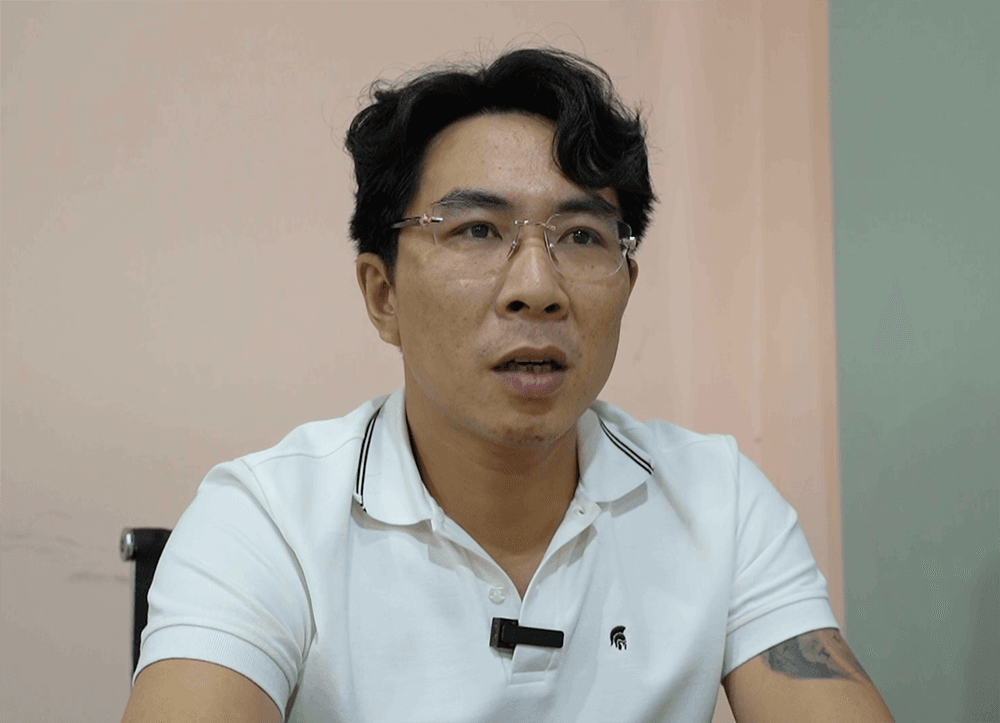
Mr. Văn Tấn Phụng, Chairman of the Đồng Nai Oil and Gas Trading Association and Chairman of the Board of Dopetrad (CTCP Thương mại Dầu khí Đồng Nai), commented: “We must acknowledge that this is an extremely challenging period for the entire industry. We are facing a double burden of maintaining business efficiency while ensuring supply to the market.”
When commercial discounts hit bottom, distributors often shrink output to avoid losses. Yet Dopetrad opted for a more resilient, responsible approach: retailing without discounts when necessary while prioritizing stable supply over short-term gains.
To avoid being reactive to repeated shocks in the traditional energy market, Dopetrad has laid out a long-term development plan. With 2025 revenue of approximately VND 1,627 billion and a target of VND 2,245 billion for 2026, the company is focusing on leveraging existing strengths, including a retail fuel network with untapped potential. Three core initiatives drive the current strategy:
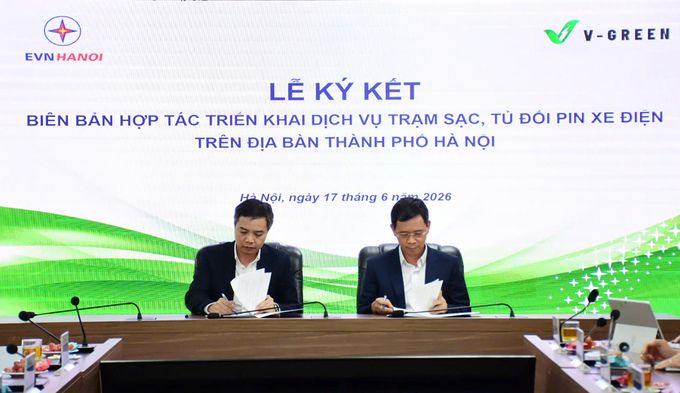
1) Diversifying revenue through a green transition and multi-utility model, including a strategic partnership with V-Green to integrate electric-vehicle charging stations at current service stations. This aims to position Dopetrad as an integrated energy provider for traditional fuels and green energy, while also developing value-added services at its stores to enhance customer experience.
2) Optimizing owned assets by leveraging land reserves and strategic locations to invest in industrial-grade warehousing for third-party tenants, creating stable passive income and reducing dependence on traditional fuel trading.
3) Advancing modern governance practices to boost transparency and operating efficiency, unlocking future access to capital markets as a driver for long-term growth.
On a macro level, Vietnam’s financial market is advancing rapidly, with banks pushing Basel III standards, IFRS-adjacent accounting practices under Circular 99/2025/TT-BTC, and the establishment of two international financial centers (IFCs) in Da Nang and Ho Chi Minh City. FTSE has recently classified Vietnam from frontier to emerging market, and MSCI could follow with a potential upgrade in the periods ahead. These developments will test the strength of domestic industries; only with a solid domestic base and deep integration can Vietnamese firms turn such historical catalysts into real competitive advantages on the global stage.
Across the oil and gas sector in Vietnam, firms are gradually transforming—from operating strategies to corporate governance and capital structure. This trajectory appears essential for the industry to withstand recent geopolitical volatility and to lay the foundation for a sustainable, energy-transition pathway for the country.
Read more