•
•
•
•
•
•
•
•
•
•
•
•
•
•
•
•
•
•
•
•
•
•
•
•
•
•
•
•
•
•
•
•
•


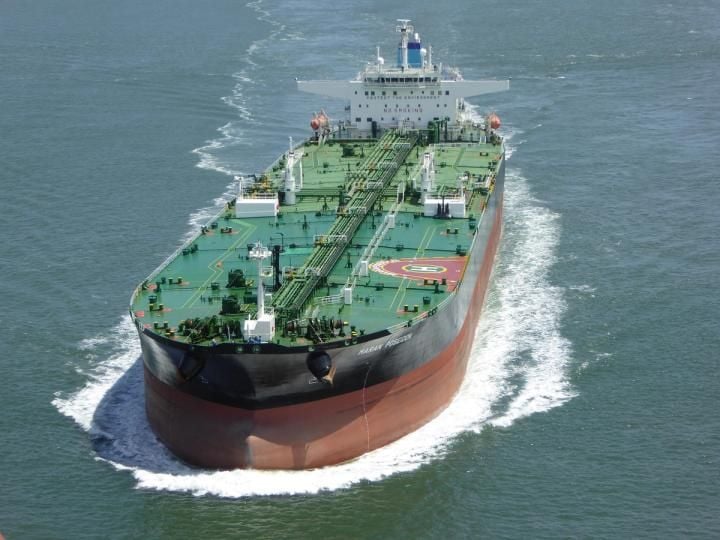
Oil barrels that can still reliably reach global markets via the Middle East are trading above $100 a barrel, a signal of acute geopolitical stress and supply fears that could spill into broader risk assets, including stocks and bitcoin.
Since the military conflict between the U.S., Israel and Iran began a week ago, Iran has significantly disrupted oil flows through the Strait of Hormuz, a major route that supports more than $500 billion in annual oil and gas trade.
As a result, traders are focusing not only on demand and daily production, but also on whether barrels can physically reach buyers. The market is increasingly divided into two segments: barrels vulnerable to chokepoints such as the Strait of Hormuz, and barrels that can still move to buyers by bypassing geopolitical disruptions.
The benchmark for the second category is Murban crude oil. It traded above $103 per barrel on Sunday, according to Oilprice.com, marking a premium to widely followed benchmarks such as WTI and Brent.
A move in Murban above $100 suggests strong competition among refiners for prompt cargoes, indicating real demand for immediate physical deliveries rather than speculative momentum typically associated with futures markets.
Murban is a premium, light, and sweet crude produced by the Abu Dhabi National Oil Company from onshore fields in the UAE. It is exported through the Fujairah Oil Terminal, located outside the Strait of Hormuz, allowing it to reach buyers in Asia—mainly Japan, India, Thailand, and the Philippines—as well as some European nations.
Murban surpassing $100 is not only a crude pricing milestone; it indicates that geopolitical risk is being priced directly into the physical oil market. That risk could spill into broader benchmarks such as WTI and Brent when markets open on Monday, potentially pushing them toward three-figure levels.
If that occurs, it could rattle Asian and global equities and pressure risk assets, including bitcoin.
Bitcoin’s price dynamics are heavily influenced by fiat liquidity conditions because it does not generate underlying cash flows or revenues. A surge in oil can tighten liquidity by stoking inflation fears, which may lead central banks to raise interest rates.
Both WTI and Brent have already surged roughly 30% since the onset of the conflict, while markets have started discounting expected Fed rate cuts, CoinDesk reported Friday.
CoinDesk data shows bitcoin last traded near $67,000, after hitting highs near $74,000 earlier this week.







Premium gym chains are entering a “golden era” that is ending or already in decline, as rising operating costs collide with shifting consumer preferences toward more flexible, community-based ways to exercise. Long-term memberships are shrinking, margins are pressured by higher rents and facility expenses, and competition from smaller, more personalized…




