•
•
•
•
•
•
•
•
•
•
•
•
•
•
•
•
•
•
•
•
•
•
•
•
•
•
•
•
•
•
•
•
•


OpenAI has unveiled ChatGPT Images 2.0, its largest update to date for AI image generation. The key change is not resolution or speed, but the ability to “think” before drawing—studying and planning an image’s structure before the first pixel is created.
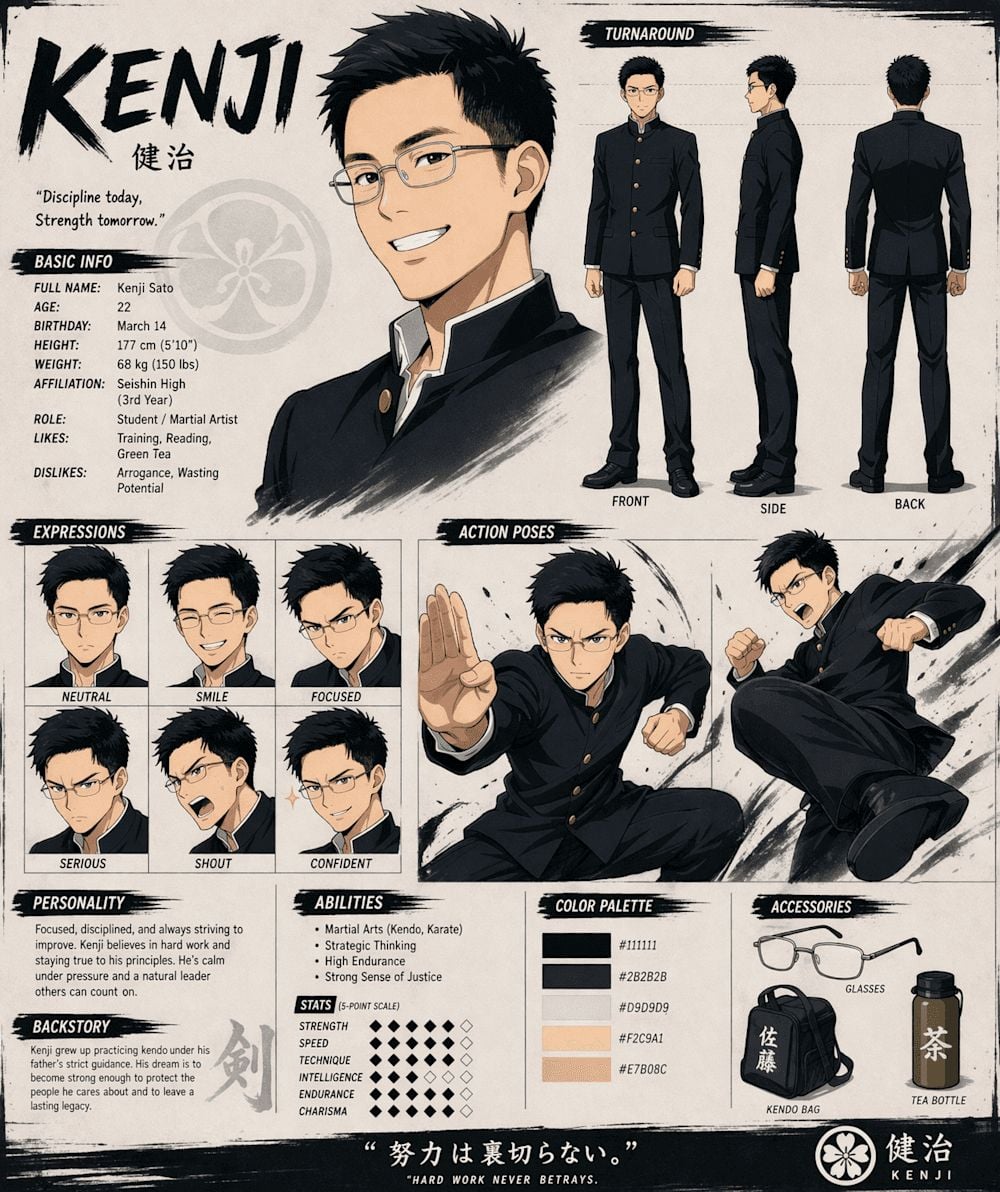
Earlier models typically took a command and generated an image immediately. Images 2.0 instead can research, plan, and infer the structure of an image prior to rendering. The standout feature is “Thinking” mode, which integrates reasoning from OpenAI’s O-series into image creation. In practice, a single command can produce complex multi-page outputs, including an entire manga page.
At a live press conference, Adele Li, head of the ChatGPT Images product team, demonstrated the system by uploading a complex PowerPoint file related to internal product strategy. Rather than producing only a related image, the model synthesized core data from the document, identified the logo correctly, and generated a professional poster that preserved the file’s specific stylistic elements.
OpenAI says the reasoning capability also supports real-time web search to improve accuracy for current events, with knowledge updated to December 2025. In tests, ChatGPT Images 2.0 is described as the first OpenAI model—and one of two models (along with Google’s Nano Banana 2)—to accurately reproduce the scope map of the Aztec, Maya and Inca empires at their peaks, with clear, useful annotations for educational purposes.
Readable text remains a key benchmark. OpenAI states Images 2.0 marks a major advance in generating legible typography, including in complex visuals such as scientific diagrams, menus, and infographics. Magazine-cover style samples reportedly show crisp alignment for titles, issue numbers, and even a “Display until” date on barcodes.
OpenAI also says it has addressed longstanding Western bias in AI imagery. Images 2.0 is described as multilingual, with significant advances in rendering non-Latin scripts. It supports high-fidelity text in Japanese, Korean, Chinese, Hindi, and Bengali.
In educational diagrams such as the water cycle, OpenAI says the model can render complex Korean characters within the layout, with translated text integrated naturally into the design.
For content creators working with scripts or branding campaigns, OpenAI highlights the ability to generate up to eight distinct images from a single command while maintaining character and object continuity across the set. Li said this reduces a previously cumbersome workflow in which users generated images one by one and then stitched them together, enabling consistent visual styles for manga sequences, children’s books, or social-media graphics.
OpenAI says the underlying architecture has been rebuilt from the ground up, described as a “general model” or “GPT for images,” capable of handling 3D perspective changes and complex spatial reasoning from simple text prompts.
The release comes as competition in AI imaging intensifies, including Google’s planned release of Nano Banana 2 in February 2026. OpenAI claims Images 2.0’s fidelity in reproducing user interfaces, screenshots, and multiple images concurrently appears to surpass Google’s latest model.
Deployment is positioned toward professional and enterprise use. While the base model is available to all users, “Thinking” and Pro capabilities are reserved for paid tiers. Free users can access the base model for standard tasks. Plus and Pro users can access Thinking, tools, web search, and multi-image generation. Pro users also gain additional access to ImageGen Pro for higher-quality outputs.
Developers can integrate via the API, with testing support for up to 4K resolution and flexible aspect ratios ranging from 3:1 wide to 1:3 tall.
Pricing is listed as $8 per input, $2 for inputs stored in cache, and $30 for output. OpenAI characterizes this as effectively $2 cheaper at output than the predecessor.
When asked about potential use in scams or political influence, Li emphasized safety and security as a core priority, including protections related to politics or election interference. She said ChatGPT includes protections and strictly monitors and protects users.
Tax authorities noted that 12 named individuals were temporarily suspended from travel.
Premium gym chains are entering a “golden era” that is ending or already in decline, as rising operating costs collide with shifting consumer preferences toward more flexible, community-based ways to exercise. Long-term memberships are shrinking, margins are pressured by higher rents and facility expenses, and competition from smaller, more personalized…