•
•
•
•
•
•
•
•
•
•
•
•
•
•
•
•
•
•
•
•
•
•
•
•
•
•
•
•
•
•
•
•
•


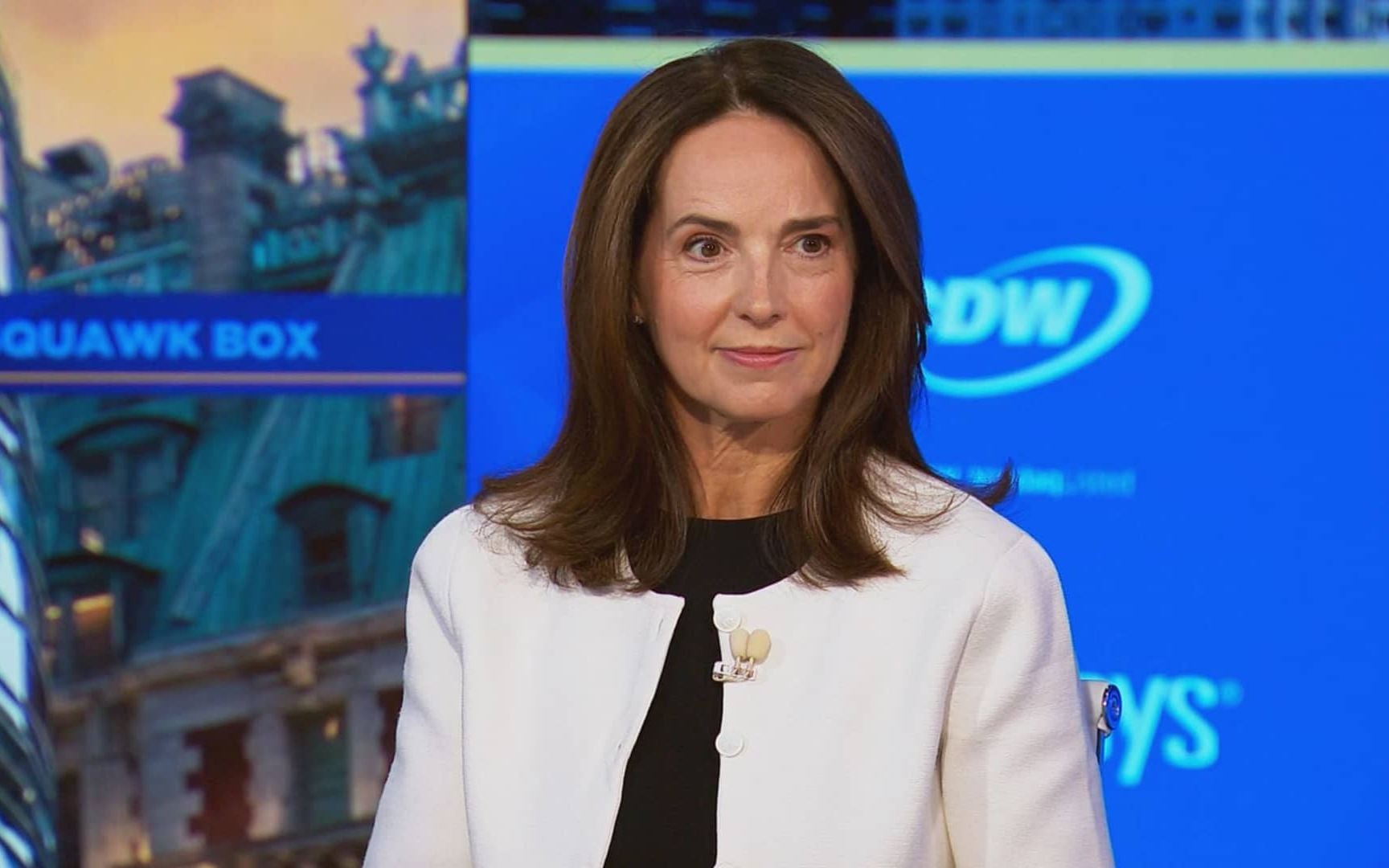
OpenAI is raising an additional $10 billion from investors as part of a historic funding round. In an interview with CNBC, OpenAI CFO Sarah Friar said the new $10 billion brings total funding raised to more than $120 billion, well above the initial target of $100 billion set by the ChatGPT developer. OpenAI announced the first tranche of the funding round at the end of February, and observers believed this could be the final private fundraising before a large-scale IPO. According to Friar, the new $10 billion of commitments came from Andreessen Horowitz, D.E. Shaw Ventures, MGX, TPG, and T. Rowe Price. Microsoft, longtime investor and key cloud computing partner, also joined the round. Despite evolving relations over time, Friar called Microsoft a 'great partner' and praised CEO Satya Nadella for being 'there from the early days.' "What pleases me most is that we raised money from across the ecosystem" Friar said, noting the participation of venture capital, private equity, hedge funds, and sovereign investment entities. This funding news comes about a month after OpenAI disclosed $110 billion in funding with a pre-money valuation of $730 billion. In that wave, Amazon invested $50 billion, while Nvidia and SoftBank each pledged $30 billion. Amazon also signed a multi-year collaboration with OpenAI to build custom models for customer-facing applications. OpenAI also expanded its existing $38 billion cloud computing agreement with Amazon by an additional $100 billion over the next eight years. "We are incredibly excited about this deal," OpenAI CEO Sam Altman told CNBC. "AI will appear everywhere. It is transforming the entire economy and the world needs a massive amount of computing power to meet that demand." Founded in 2015, OpenAI has grown rapidly after launching ChatGPT in late 2022. CNBC notes that the chatbot currently has 900 million weekly active users and the startup reported about $13.1 billion in revenue last year. Friar said the consumer segment currently accounts for about 60% of revenue, while enterprise customers account for about 40%. "The enterprise segment is growing faster. I expect by the end of this year the mix will be roughly 50-50," she said. "Enterprise services are a high-margin business when scaled, and we will build a sustainable model from that," Friar emphasized. OpenAI is intensifying its push to expand the enterprise customer base as competition with Anthropic grows more intense. Some OpenAI customers include Amgen, Lowe's, Estée Lauder, and JetBlue. Anthropic, backed by Google and Amazon, currently derives about 80% of its revenue from enterprise customers with partners like Shopify, HubSpot, and Spotify. IPO plans Both OpenAI and Anthropic are considering IPO plans. The Financial Times reports Anthropic is discussing an IPO in 2026 and completed a $30 billion fundraising round in February, valuing the company at $380 billion post-investment. Asked about the likelihood of an IPO, Friar said OpenAI is "starting to build toward that" goal. "In the long run, we must build a company ready to be a public company. This funding round helps reduce risk because we may be ready, but the market may not be ready. I need to ensure the company is strong and ready to access public capital markets. We view this as part of the journey toward going public," the CFO said. OpenAI has adjusted its spending plan after Altman previously mentioned a long-term infrastructure commitment of $1.4 trillion last fall. CNBC reports the company now targets about $600 billion in compute capacity through 2030, a level more aligned with revenue growth forecasts. On the same day, OpenAI announced the shutdown of the short-form video app Sora, signaling the company is prioritizing higher-margin areas ahead of the IPO. "We are short of compute," Friar said when asked about Sora. "Thus, we must make tough decisions. Often we retain models and do not release features yet. This is an example of prioritization. It does not mean we will abandon creative areas, but for now we must be more selective."






Premium gym chains are entering a “golden era” that is ending or already in decline, as rising operating costs collide with shifting consumer preferences toward more flexible, community-based ways to exercise. Long-term memberships are shrinking, margins are pressured by higher rents and facility expenses, and competition from smaller, more personalized…




