•
•
•
•
•
•
•
•
•
•
•
•
•
•
•
•
•
•
•
•
•
•
•
•
•
•
•
•
•
•
•
•
•


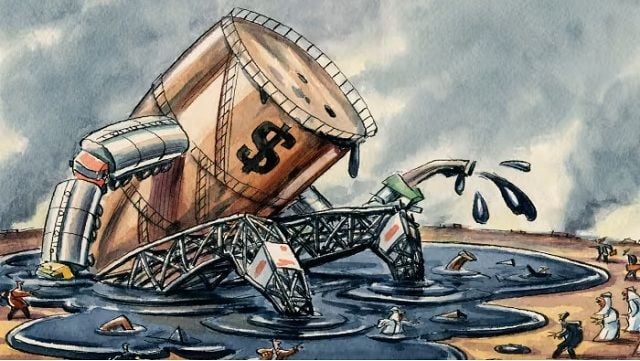
Petrodollars: what are they? - A currency issued specifically for the oil industry - The USD-denominated revenue that oil-exporting countries receive from selling oil - International loans for oil-importing countries - A cryptocurrency tied to the price of oil Petrodollars are the US dollars used by oil-producing countries to pay oil-exporting countries. The petrodollar system is the exchange of oil for US dollars between oil buyers and oil producers. Question 2: The petrodollar system is a consequence of which event? - The Asian financial crisis of 1997 - The collapse of the Bretton Woods system and the US–Saudi Arabia agreement in the 1970s - The Great Depression of 1929 - The euro’s creation Petrodollars are the result of the oil shock in the mid-1970s when oil prices surged. After the Bretton Woods system collapsed (1971), the US reached an agreement with Saudi Arabia to price oil in USD. Question 3: What is the main global economic impact of petrodollars? - Reducing the USD's role in international trade - Increasing global demand for USD and supporting its status as a reserve currency - Oil prices do not vary - Reducing foreign exchange reserves of oil-exporting countries Because oil is traded mainly in USD, oil-importing countries must hold USD, which raises demand for the currency and strengthens USD's position in the global financial system.






Premium gym chains are entering a “golden era” that is ending or already in decline, as rising operating costs collide with shifting consumer preferences toward more flexible, community-based ways to exercise. Long-term memberships are shrinking, margins are pressured by higher rents and facility expenses, and competition from smaller, more personalized…