•
•
•
•
•
•
•
•
•
•
•
•
•
•
•
•
•
•
•
•
•
•
•
•
•
•
•
•
•
•
•
•
•


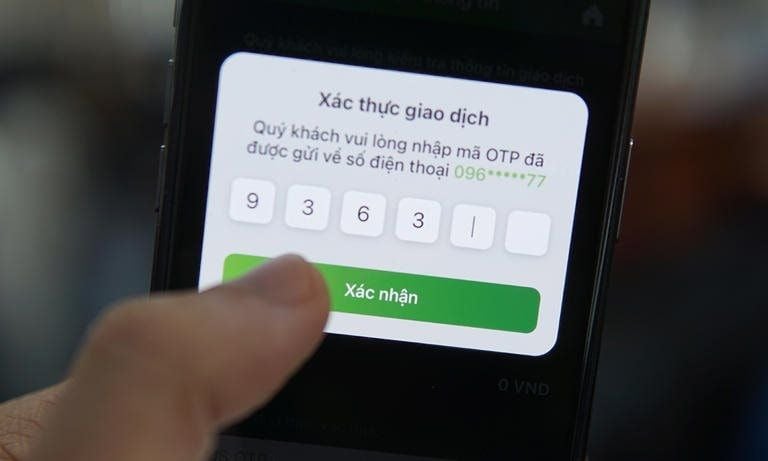
Police in Vinh Long Province warned residents about SIM verification scams that exploit new rules intended to verify phone numbers. After Circular 08/2026/TT-BKHCN issued by the Ministry of Science and Technology on March 31, 2026, which requires verification of mobile numbers from April 15, 2026 to tighten control of spam SIMs and prevent telecom fraud, users must verify information with civil data through legitimate channels of the telecom operator or on VNeID. However, criminals have quickly created impersonation schemes posing as authorities or telecom staff to steal assets. Whenever a new rule involving personal documents, bank accounts or mobile numbers appears, spoofing schemes reappear with greater sophistication. This time ownership verification has become a pretext to approach victims. The most common current scam is a direct call to individuals, claiming to be a telecom operator employee or telecom regulator. The caller states that the subscriber's number has not completed verification under the new rule, personal data does not match civil records, or has not been updated on VNeID, and will be locked. Some messages warn of urgent action such as a potential deactivation if information is not updated, or SIM not confirmed as owner on VNeID, or a link to avoid number recall. They exploit fear of losing connectivity, and many people lose composure and follow instructions. Experts warn that authorities and telecoms can send official notices but will never ask for passwords, OTPs, or to transfer money or perform urgent actions over the phone. Criminals often use professional voices, correct forms of address, and may recite names or partial numbers to appear credible. After gaining trust, criminals instruct victims to read OTP codes, photograph their ID, verify their face, install fake VNeID or operator branded apps, and enter data on fake websites. In more advanced schemes, criminals may require pressing USSD codes, redirecting calls, registering a new eSIM, or completing an update SIM owner procedure. If victims comply, control of the phone number can be transferred. Once the number is compromised, criminals use the forgot password function to access bank accounts, e wallets, emails and social networks. Because OTPs are sent to the compromised number, criminals can easily change passwords and withdraw funds. Many victims only realize the fraud when the phone loses signal or a bank account shows unusual activity. Security experts say the phone number is the key to many online services; losing control can lead to loss of access to multiple important accounts. People should never share OTPs with anyone, including those claiming to be bank staff, police, or telecom workers. OTPs are personal security codes and no legitimate entity will request them over the phone. The article also outlines how to securely verify SIM ownership via VNeID and what to do if you suspect fraud. If unsure or facing difficulties, visit a telecom store or official authorities for assistance. Strengthen banking and e wallet security by enabling biometrics, monitoring balances, using strong passwords, and regularly reviewing devices with active logins. The SIM verification rollout aims to clean the telecom market and protect users during the transition. Be wary of calls claiming to standardize SIMs, confirm ownership, synchronize with VNeID, or lock the number. Authorities advise that any request involving money, OTP, unfamiliar apps, or transferring SIM control by phone is a high risk sign. If you suspect fraud, contact your telecom operator, bank and police for timely support. The article also includes a police notice to anyone receiving calls with the described content.






Premium gym chains are entering a “golden era” that is ending or already in decline, as rising operating costs collide with shifting consumer preferences toward more flexible, community-based ways to exercise. Long-term memberships are shrinking, margins are pressured by higher rents and facility expenses, and competition from smaller, more personalized…