•
•
•
•
•
•
•
•
•
•
•
•
•
•
•
•
•
•
•
•
•
•
•
•
•
•
•
•
•
•
•
•
•


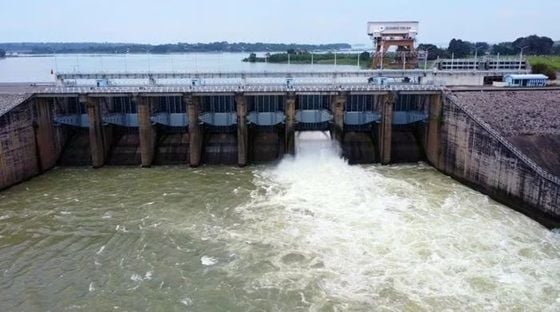
This year’s early heat, combined with the potential return of El Niño from mid-year, is expected to reduce water resources and increase pressure on the power system at the start of the dry season. At the same time, rising coal, gas and LNG (liquefied natural gas) costs are pushing up electricity generation costs, requiring more flexible and tightly planned operations to maintain stable power supply.
Even before the peak period, the power system has shown signs of strain. Temperatures rose early from March–April and are forecast to be most severe in June–August, according to the National Power System Operation and Market Company (NSMO) under the Ministry of Industry and Trade. El Niño could return mid-year, reducing rainfall and reservoir inflows to hydro plants compared with multi-year averages.
The national system recorded a peak capacity of 52,225 MW at 15:25 on April 8, the highest since the start of the year. Daily national electricity output reached 1,092.1 million kWh, also a new record. NSMO forecasts electricity demand this year could rise by about 10–12%, while cheap power sources—especially hydropower—face greater water constraints.

Tri An Hydroelectric Power Company said the 2026 dry season is tougher than usual because El Niño indicators appeared early. To cope, the company has proactively stored water and shifted to more flexible operation.
Nguyen Huu Khanh Ngoc, General Director of Tri An Hydroelectric Power Company, said the plant prioritizes dispatch during peak hours when the system needs it most, while preserving water to maintain longer-term balance. He added that units are kept in a high state of readiness and can ramp up output quickly to compensate for load fluctuations.
Thermal generation is also under pressure as input fuel prices rise amid the Middle East conflict. Coal, gas and especially LNG price fluctuations on international markets are increasing generation costs.
Tran Huu Thanh, Deputy Director of Phu My Thermal Power Company, said gas demand for Phu My’s power plants is currently around 10–11 million m³ per day. Domestic gas supply in some areas is declining, which is pushing plants to consider importing LNG. He noted that while the company currently prioritizes domestically sourced gas, wider LNG use would raise generation costs substantially.
To ensure electricity supply for the summer, Phu My Thermal Power is reviewing equipment and accelerating maintenance to keep units ready for dispatch. The plant is also optimizing operations to reduce fuel consumption, particularly when gas prices surge.
Power Generation Corporation No. 3 said it has developed multiple operational scenarios in response to rising fuel costs and forecast higher demand. The company is prioritizing unit availability and coordinating with suppliers to secure stable coal and gas supplies and minimize outages to guarantee power supply to the system.
NSMO has proposed flexible operation of hydro reservoirs during the dry season 2026 (April to August). The plan aims to reduce reservoir withdrawals during nighttime and midday, and limit upstream releases on weekends and holidays to prioritize water storage for peak heat periods.







Premium gym chains are entering a “golden era” that is ending or already in decline, as rising operating costs collide with shifting consumer preferences toward more flexible, community-based ways to exercise. Long-term memberships are shrinking, margins are pressured by higher rents and facility expenses, and competition from smaller, more personalized…




