•
•
•
•
•
•
•
•
•
•
•
•
•
•
•
•
•
•
•
•
•
•
•
•
•
•
•
•
•
•
•
•
•


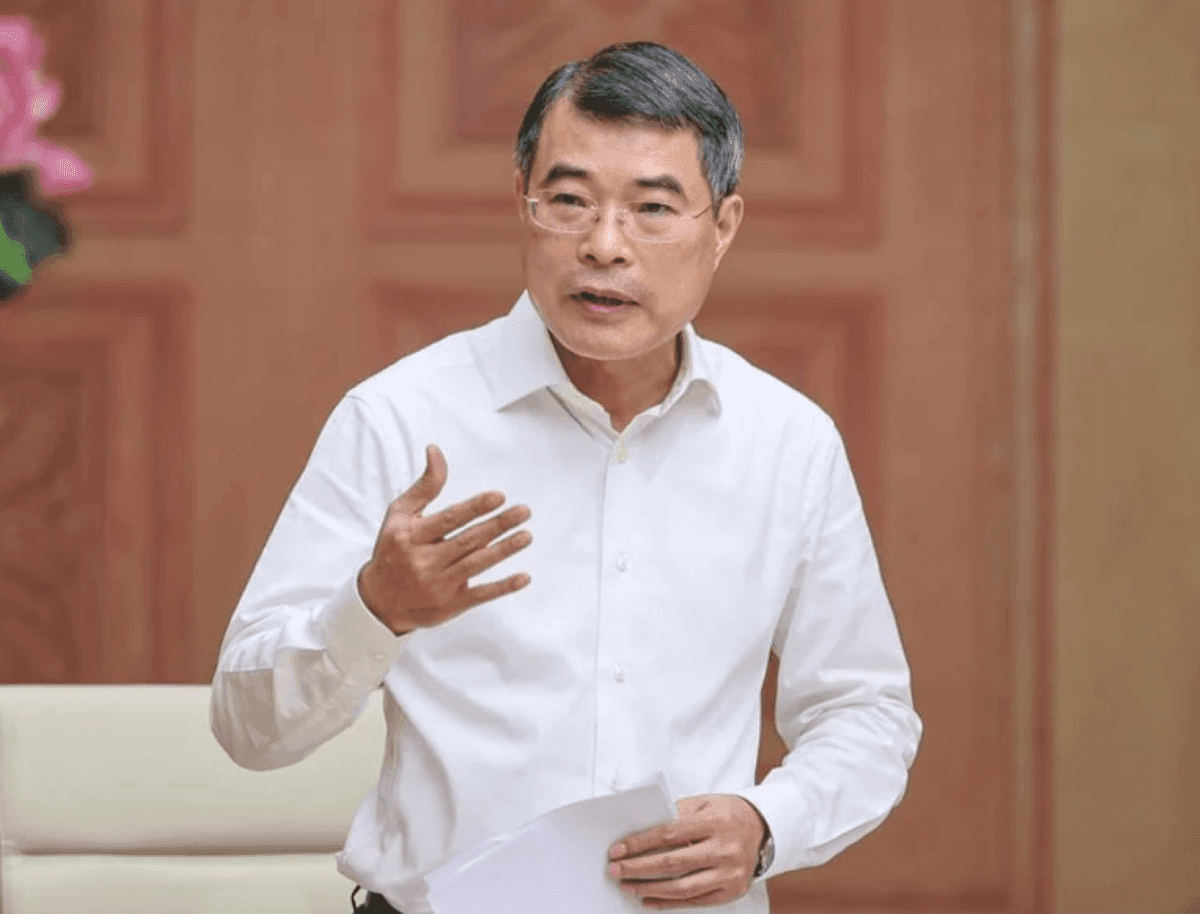
Against the backdrop of rising task demands and rapid market fluctuations, Prime Minister Le Minh Hung said the Agriculture and Environment sectors must continue to innovate, act decisively, remove bottlenecks, generate new development momentum, and help achieve the country’s goal of fast and sustainable growth.
At the meeting, the Prime Minister noted that the Ministry of Agriculture and Environment plays a particularly important role in socio-economic development because it manages large resources including land, forests, and minerals. Despite facing many difficulties, the sector has worked to complete assigned tasks and contribute to the country’s overall achievements.
The ministry has focused on strengthening the institutional framework by issuing early decrees and detailed regulations for laws effective from January 1, 2026. It is also one of three bodies proposing measures to meet targets for reducing administrative procedures and business conditions.
The ministry has coordinated to remove obstacles related to projects and land, and has been implementing national target programs including building new rural areas, reducing poverty sustainably, and developing the economy in ethnic minority and mountainous regions.
It has also accelerated the application of science and technology, promoted production and exports of agricultural, forestry, and aquatic products, and maintained growth momentum to support high growth.
Prime Minister Le Minh Hung said the sector is multidisciplinary, covering 18 management areas, with a broad scope, high requirements, and direct relevance to people’s lives. He emphasized that it not only creates jobs and stabilizes livelihoods but also plays a pivotal role in the economy, particularly as the country pursues double-digit growth.
The Prime Minister praised the sector’s results, especially efforts to improve the institutional framework and implement directives to genuinely reduce administrative procedures and conditions for investment and business in line with Centrally Issued Conclusion 18. He said reforming administrative procedures is among the fastest and most effective ways to improve the institutional framework, create a healthier business environment, reduce costs and time for people and businesses, and thereby directly support economic growth and social trust. He stressed that the reform process must be continuous and aligned with practical needs.
At the same time, he pointed to shortcomings requiring early remediation, including mobilizing and freeing up resources from land, resources, and forests; the complexity of administrative procedures; and environmental issues such as urban air pollution and water pollution in some river basins and traditional craft villages.
To achieve high growth in 2026 and across the term, the Prime Minister set unified key tasks and required the sector to implement them with determination.
The ministry is required to complete guidance on allocating public investment by output results, linked to socio-economic accounting.
The ministry must report two major projects on carbon credit management and the summary of Resolution 24-NQ/TW. It is also tasked with submitting to the Government the draft law amending the Environmental Protection Law, and finalizing guiding documents while pushing decentralization in implementing national target programs.
The ministry is required to finalize adjustments to the National Land Use Plan; accelerate digitization and data cleansing of land records; finalize sector planning; address abandoned land and reclaim slow-implemented projects; and finalize laws on rare earths and the standards and norms system.
The sector should focus on consolidating implementation of Resolution 18-NQ/TW on land, amending the Land Law, developing a program to maximize the value of agricultural land, and finalizing mechanisms to encourage enterprises to invest in agriculture, rural areas, and the by-product market.
The Prime Minister also directed the ministry to promptly issue decrees to remove obstacles for stalled projects and to streamline machinery to ensure efficiency and effectiveness, following the principle “one task – one leading agency.”
He emphasized continued refinement of the institutional and legal framework to free resources, focusing on removing bottlenecks in land, environment, and minerals, and studying amendments to related laws.
On policy, he said that while there are many investment-support mechanisms in agriculture, resources are lacking and effectiveness is not high. He assigned the Ministry of Agriculture and Environment to review and select policies that are truly necessary to build a general decree, ensuring feasibility and practicality.
A highlighted point is reforming the policy on paddy land toward flexibility—allowing conversion of underperforming areas to other purposes while ensuring the ability to return to production when necessary, to safeguard national food security.
The Prime Minister requested the sector to actively manage production to ensure food security in all scenarios, monitor international developments to build growth and export scenarios and appropriate countermeasures, and strengthen coordination with other ministries in trade negotiations, market expansion, and meeting international standards.
He also called for modernization of the sector, including digital transformation, development of core technologies, and large-scale production organized along value chains linked to branding and traceability.
Besides strategic tasks, the Prime Minister asked for continued attention to routine work including combating illegal, unreported and unregulated fishing (IUU); forest fire prevention and firefighting; disaster management; responding to climate change; and ensuring water security and dam safety.
He specifically directed stronger action to address air pollution in major cities such as Hanoi and Ho Chi Minh City, and to improve the environment in industrial zones and craft villages.
The Prime Minister also directed the Ministry of Construction to drive institutional breakthroughs and mobilize resources for strategic infrastructure development. He called for controlling real estate credit by type with appropriate caps and for presenting the comprehensive reform plan of the financial market in Q2.




Premium gym chains are entering a “golden era” that is ending or already in decline, as rising operating costs collide with shifting consumer preferences toward more flexible, community-based ways to exercise. Long-term memberships are shrinking, margins are pressured by higher rents and facility expenses, and competition from smaller, more personalized…