•
•
•
•
•
•
•
•
•
•
•
•
•
•
•
•
•
•
•
•
•
•
•
•
•
•
•
•
•
•
•
•
•


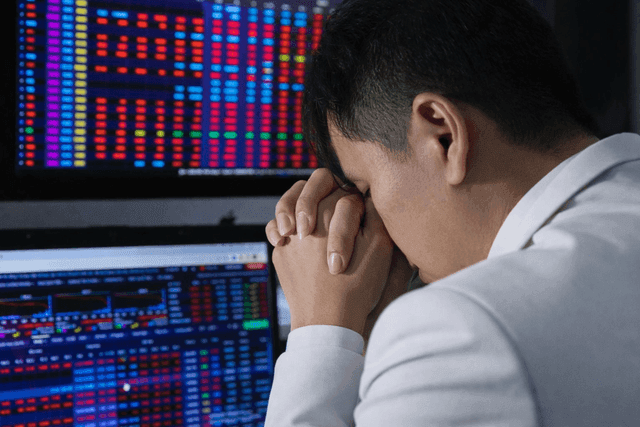
Efficiencies from proprietary trading and stock investments at securities firms depend heavily on market conditions. At recent 2026 annual general meetings (AGMs), multiple brokerages and non-core investors outlined plans to reduce or reshape equity exposure amid heightened volatility, while emphasizing more stable income activities.
At SHS’s 2026 AGM on April 17, 2026, management announced business direction changes, including a shift in structure and the addition of new business lines aimed at reducing the share of proprietary trading. SHS’s CEO said proprietary trading is likely to be favorable when markets are favorable, but volatility is a major risk to the sustainability of earnings.
At HSC’s 2026 AGM, CEO Trinh Hoai Giang said HSC’s proprietary trading activity will be guided by risk control. The brokerage plans to focus on products with stable income, particularly fixed-income, rather than short-term speculation.
In Q1, HSC nearly sold all of its stock investments totaling about VND 3,900 billion (at cost). Giang noted that a large portion of HSC’s stock portfolio is used for market-making and client trading, so the portfolio scale may vary with market demand.
Giang said the reduction in stock volumes was mainly due to client trading increasing, rather than indicating a broader trend of reduced long-term investment. HSC’s leadership also stated it will continue to focus on market-making, especially for ETFs and warrants.
HSC is currently a market maker for three large ETFs, with total assets under management (AUM) of $1 billion, supporting liquidity and trading activity. Overall, the company’s investment portfolio concentrates on assets with stable returns, mainly bonds.
VPS Securities, described as a leader in brokerage market share across all three exchanges, does not engage in internal proprietary trading of stocks. The value of VPS’s stock investments is almost negligible.
Instead, VPS has allocated thousands of billions of VND into stable income assets, including bonds and deposits. At the 2026 AGM, board member John Desmond Sheehy said VPS identifies brokerage and margin lending as core business lines, expected to account for about 60–65% of total revenue. The capital funding business line is expected to contribute 15–20% of total revenue, while IB services are expected to account for about 10–15%.
Non-core players are also moving to reduce stock investment exposure. At Digiworld’s 2026 AGM, Chairman Doan Hong Viet said that in 2025, the financial investment division invested in FPT and had to recognize a sizable loss.
As of late 2025, Digiworld’s trading securities portfolio was valued at more than VND 770 billion, representing over 20% of equity. The company booked a depreciation provision of VND 90 billion for these investments as of December 31, 2025.
Going forward, the chairman said Digiworld will manage more tightly and shift toward structured products and fixed-income products. While the existing stock portfolio is considered to have potential, Digiworld plans to pivot to these alternative products.
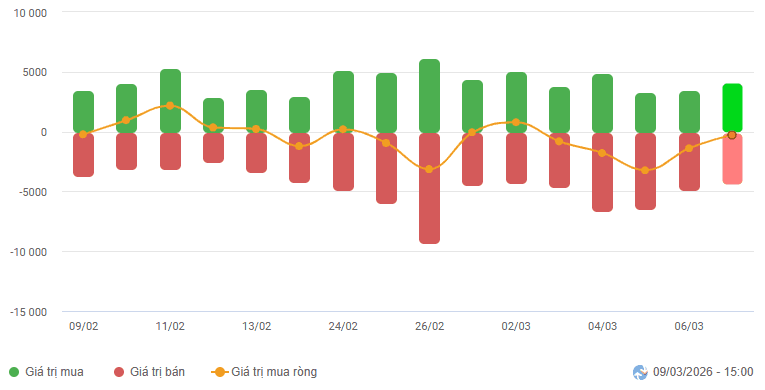
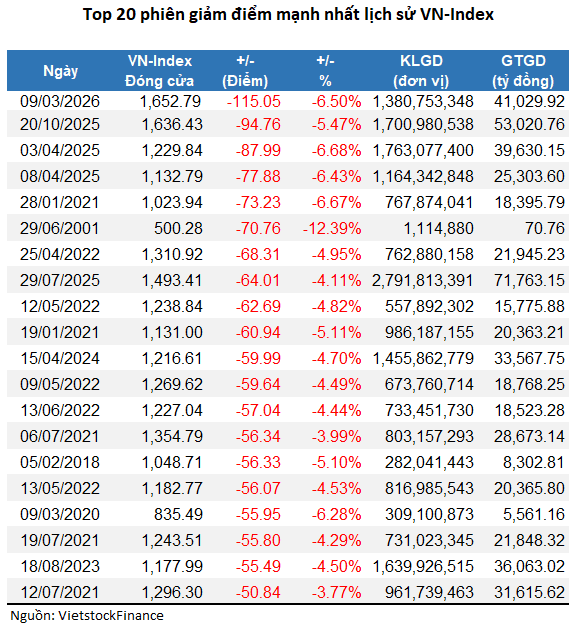
Across securities firms and other companies, the effectiveness of proprietary trading or equity investment strategies depends heavily on market conditions. Given Vietnam’s recent stock market volatility, the reduction in proprietary stock trading has become a broader trend.




Premium gym chains are entering a “golden era” that is ending or already in decline, as rising operating costs collide with shifting consumer preferences toward more flexible, community-based ways to exercise. Long-term memberships are shrinking, margins are pressured by higher rents and facility expenses, and competition from smaller, more personalized…




