•
•
•
•
•
•
•
•
•
•
•
•
•
•
•
•
•
•
•
•
•
•
•
•
•
•
•
•
•
•
•
•
•


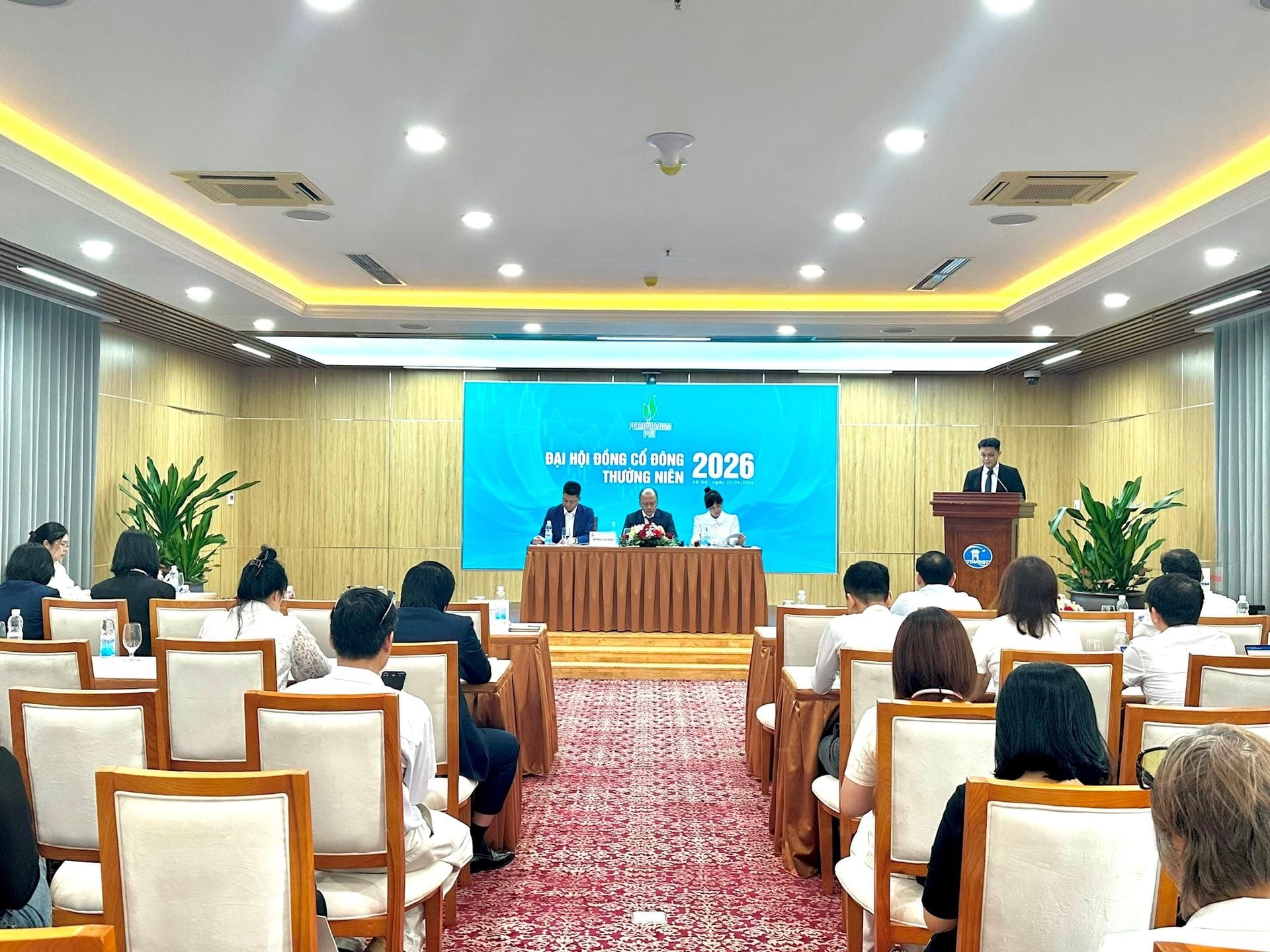
On April 22, 2026, PetroVietnam Securities Joint Stock Company (PSI) held its 2026 annual general meeting of shareholders successfully.
In 2025, PSI reported positive growth. Total operating revenue reached 125% of the plan, while after-tax profit exceeded 49% of the plan.
Entering 2026, PSI defined the year as an “accelerate” phase, focusing on comprehensive digital transformation and gradually refining its operating model toward an investment banking-oriented approach in the industrial-energy sector.
PSI’s development strategy is built on three pillars: Vietnam National Oil and Gas Group (PetroVietnam), PVcomBank, and international partners.
PetroVietnam is expected to continue as a solid pillar, providing a foundation for the energy ecosystem and long-term development opportunities. PVcomBank, with its financial capacity, wide customer network, and diverse service ecosystem, is described as a key driver to help PSI expand its market and deepen its operations.
At the same time, PSI said it will continue investing in technology and improving human resources quality, with people and technology positioned as the foundation for sustainable growth.
PSI also highlighted positive signals from its Q1 2026 business results, including operating revenue up 34.59% year-on-year and net profit up 211.59%.
At the General Meeting, Mr. Nguyen Anh Tuan, Chairman of the PSI Board of Directors, emphasized: “2026 is the time for PSI to accelerate and make a strong leap. We are committed to sustainable development strategy, using technology as the engine, people at the center, accompanying shareholders, customers and partners to create long-term value.”
PSI said it is implementing a mid- to long-term development strategy for the next 5–10 years, aiming for a brokerage company model operating with depth, efficiency, and sustainability. The company’s stated goal is to maintain growth while gradually enhancing its market position.
In anticipation of new trends, PSI said it is proactively preparing resources to participate in the carbon market and digital assets, including systematic investment in personnel, technology, and infrastructure. PSI described this as a strategic step to open new growth potential and reaffirm its long-term sustainable development commitment.


Premium gym chains are entering a “golden era” that is ending or already in decline, as rising operating costs collide with shifting consumer preferences toward more flexible, community-based ways to exercise. Long-term memberships are shrinking, margins are pressured by higher rents and facility expenses, and competition from smaller, more personalized…




