•
•
•
•
•
•
•
•
•
•
•
•
•
•
•
•
•
•
•
•
•
•
•
•
•
•
•
•
•
•
•
•
•


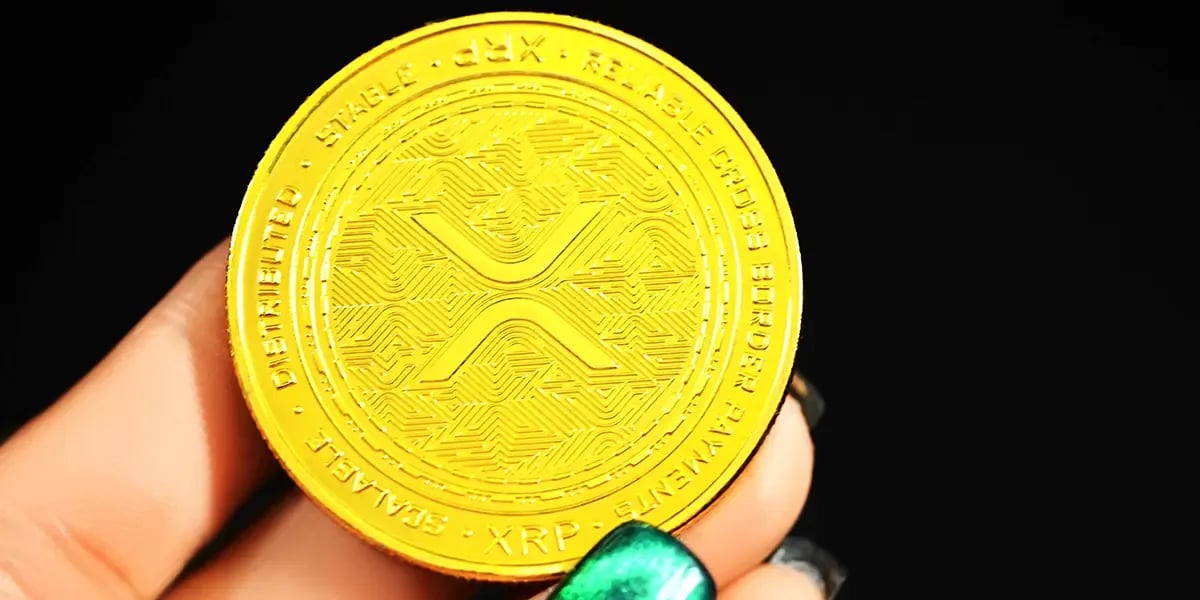
Rakuten has expanded cryptocurrency utility by allowing users to convert loyalty points into XRP and spend the value across its payments network. Summary: - Rakuten Wallet now allows users to convert loyalty points into XRP for spending. - The feature connects crypto value to over 5 million merchants in Japan. - The move signals a major step toward real-world digital asset adoption. A Closed-Loop System Linking Rewards to Spending Rakuten designed a closed-loop system that simplifies how consumers use crypto. Users can convert loyalty points into XRP directly inside Rakuten Wallet. The system then moves that value into Rakuten Cash, the company’s internal payment balance. This approach removes much of the friction tied to crypto payments. Users no longer need to manage external wallets or execute blockchain transactions at checkout. Instead, they pay through Rakuten Pay just as they would with traditional digital payments. Rakuten integrates crypto into an already familiar user experience. This positions digital assets as a spending tool rather than a speculative holding. Scale and Market Reach Drive Adoption Potential Rakuten’s ecosystem gives this rollout immediate scale. Rakuten Pay serves about 44 million active users, offering broad exposure from day one. The loyalty economy behind the system adds further weight. The company has issued more than 3 trillion loyalty points, worth roughly $23 billion. Users can now convert a portion of that value into crypto-linked spending. Merchant coverage strengthens the use case. More than 5 million locations across Japan accept Rakuten Pay. This allows users to spend XRP-derived value on everyday purchases, from retail goods to services. Few crypto initiatives operate at this level. Many remain limited to niche platforms or pilot programs. Rakuten, by contrast, builds on an established commercial network with real consumer reach. Strategic Positioning and Industry Implications Rakuten developed the feature internally, rather than through a new partnership. While Ripple has acknowledged the milestone, the rollout reflects Rakuten’s own product strategy. This move highlights a broader shift in the industry. Large platforms are beginning to integrate digital assets directly into their ecosystems. They aim to boost engagement and expand payment options without relying on third-party infrastructure. XRP plays a distinct role within the platform. Rakuten enables full payment functionality for the asset, while other tokens may remain limited to trading or holding. This strengthens XRP’s positioning as a transactional asset. Japan’s regulatory environment also supports this type of innovation. Clearer rules allow companies to experiment with real-world crypto applications. Rakuten uses that advantage to reduce friction and scale quickly. Bridging Digital Assets and Everyday Commerce Rakuten’s rollout reflects a wider shift toward utility-driven crypto adoption. Companies are moving beyond price speculation and focusing on real-world use cases. Users benefit from flexibility. They can convert rewards into spendable value without leaving the ecosystem. This increases the practical value of loyalty programs. Rakuten also strengthens its platform. The integration drives activity across its wallet, payments, and retail services. If adoption grows, this model could accelerate everyday crypto usage. Markets with strong digital payment habits may follow a similar path. As digital assets merge with traditional reward systems, Rakuten’s approach may offer a blueprint for large-scale adoption. The information presented in this article is intended for informational purposes only and should not be interpreted as financial, investment, or trading advice. Coinspress.com does not promote or advocate for any particular investment strategy, asset, or cryptocurrency project. Cryptocurrency markets are highly volatile and unpredictable – always perform your own research and seek guidance from a qualified financial professional before making any investment decisions.







Premium gym chains are entering a “golden era” that is ending or already in decline, as rising operating costs collide with shifting consumer preferences toward more flexible, community-based ways to exercise. Long-term memberships are shrinking, margins are pressured by higher rents and facility expenses, and competition from smaller, more personalized…