•
•
•
•
•
•
•
•
•
•
•
•
•
•
•
•
•
•
•
•
•
•
•
•
•
•
•
•
•
•
•
•
•



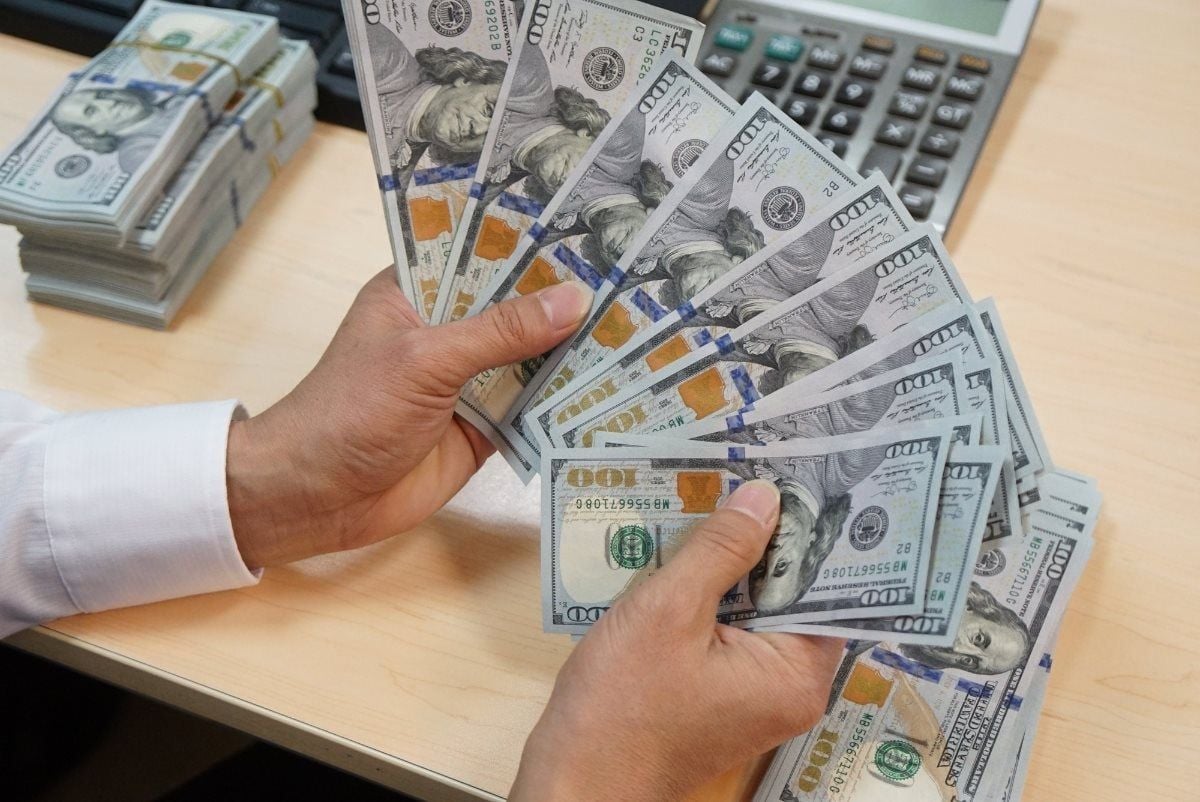
Against a backdrop of global economic volatility, remittance flows to Ho Chi Minh City in Q1 2026 declined significantly, totaling about $2 billion, down 15.6% from Q4 2025 and 16.9% year on year. According to the State Bank of Vietnam – Ho Chi Minh City Branch 2, remittance through credit institutions and economic organizations in Ho Chi Minh City in Q1 2026 reached more than $2.004 billion, down 15.6% from Q4 2025 and down 16.9% from the same period in 2025. This shift reflects the challenges facing Vietnam’s economy and also presents opportunities for adjustment and sustainable development. The main causes of the decline include multiple global economic and geopolitical factors. The world economy is recovering slowly, inflation remains high, and living costs are rising, directly affecting the income of Vietnamese workers abroad. In addition, prolonged monetary tightening in major economies has reduced the ability to transfer funds home. In particular, geopolitical tensions in the Middle East have caused energy price volatility, placing upward pressure on global inflation and affecting workers’ real earnings. In Vietnam, while macroeconomic fundamentals remain stable, some investment channels have not been attractive enough to draw remittance flows. The relatively small interest-rate differential between the VND and the USD is another factor prompting overseas Vietnamese to reconsider sending money home. Seasonal factors after the peak remittance period during holidays and Tet also contribute to lower remittance in the first quarter. However, the decline is not entirely negative, as it creates opportunities for Ho Chi Minh City and Vietnam to adjust strategies to attract remittance. Improving the investment climate, strengthening policies to assist overseas Vietnamese, and developing attractive investment channels could be effective ways to attract foreign funds. The State Bank of Vietnam – Ho Chi Minh City branch notes that remittance may not yet show a clear uptrend, as it depends on global and domestic developments. Nevertheless, with timely adjustments and a sustainable development strategy, Ho Chi Minh City can turn challenges into opportunities and create momentum for long-term economic growth. According to State Bank statistics, in Dong Nai province, as of March 31, 2026, remittances were mainly channeled through credit institutions, totaling over $36.4 million, down 15.7% from the last quarter of 2025.



Premium gym chains are entering a “golden era” that is ending or already in decline, as rising operating costs collide with shifting consumer preferences toward more flexible, community-based ways to exercise. Long-term memberships are shrinking, margins are pressured by higher rents and facility expenses, and competition from smaller, more personalized…