•
•
•
•
•
•
•
•
•
•
•
•
•
•
•
•
•
•
•
•
•
•
•
•
•
•
•
•
•
•
•
•
•


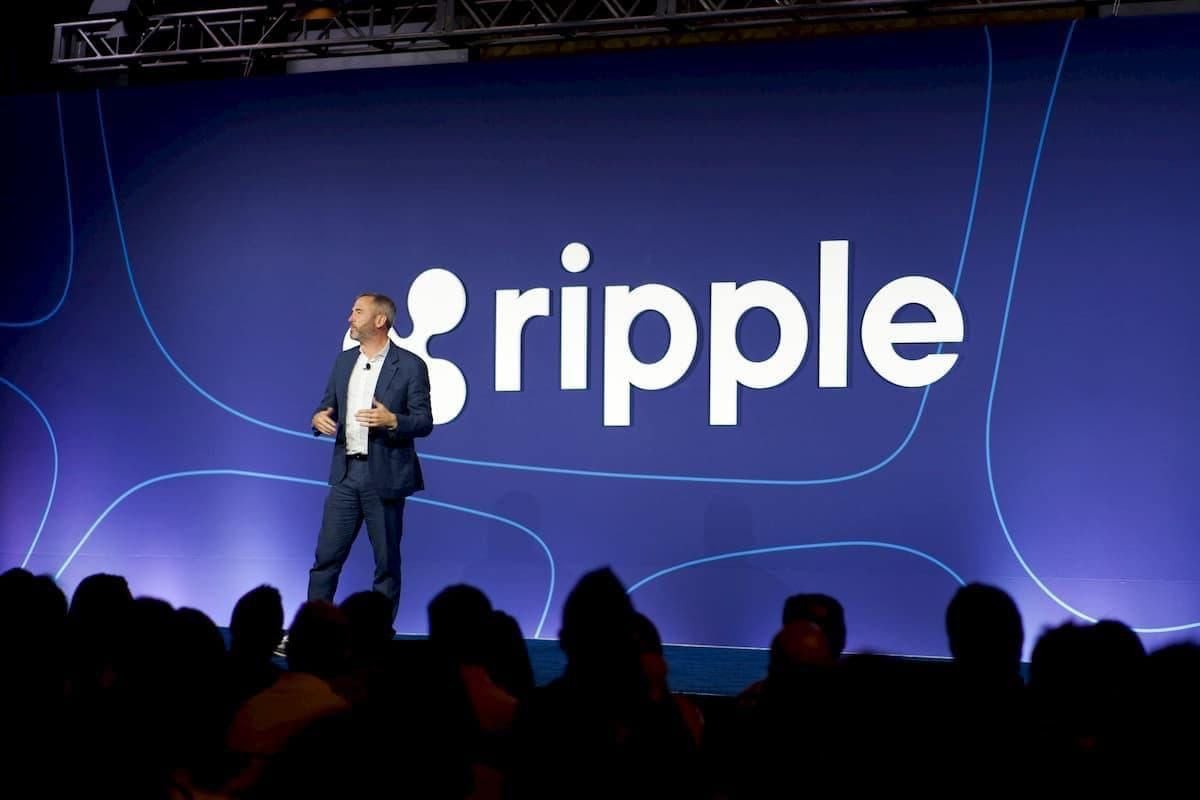
Ripple CEO Brad Garlinghouse said XRP remains central to the company’s long-term mission. In a February 11 post on X, Garlinghouse expressed confidence that Ripple has the potential to become a trillion-dollar crypto company, adding that the entire business revolves around XRP.
“Ripple’s reason for existence is driving success around XRP and the XRP ecosystem. There will be a trillion-dollar crypto company, and I don’t have any doubt that Ripple has that opportunity,” Garlinghouse said.
Garlinghouse’s remarks framed XRP as the core of Ripple’s broader financial infrastructure vision. He indicated that Ripple’s expanding product suite—Ripple Payments, Ripple Prime, Ripple Treasury, Custody, and the RLUSD stablecoin—supports the XRP ecosystem and is positioned as a catalyst for XRP utility.
Garlinghouse also pointed to emerging technologies within the XRP ecosystem, particularly advanced privacy features using zero-knowledge (zk) technology. He referenced zk technology as a way to verify transactions without revealing sensitive data.
The XRP Ledger (XRPL) is reportedly positioning itself as a frontrunner in the race as of 2026, with claims that it is among the closest major networks to unlock zk-privacy functionality in partnership with DNAOnChain.
Ripple Payments continues to focus on real-world adoption, particularly in cross-border settlements where XRP is used as a bridge asset. The company is also pursuing Ledger upgrades, including integrations into decentralized exchanges (DEX), which it says can help facilitate more regulated financial activity.
In addition, Ripple is accelerating its push into institutional markets. Garlinghouse highlighted a partnership with Aviva Investors, a global asset manager tokenizing assets on the XRPL.
Ripple is also backing the XLS-66 lending framework and integrating XRP into Ripple Prime’s collateral and liquidity services.
For the community, the implication of Ripple’s strategy is that long-term growth plans are tied to expanding XRP’s real-world utility. The article suggests that if Ripple scales institutional adoption, integrates new privacy features, and embeds XRP into core financial infrastructure, demand for the asset could increasingly be driven by functionality rather than speculation alone, potentially influencing price action.






Premium gym chains are entering a “golden era” that is ending or already in decline, as rising operating costs collide with shifting consumer preferences toward more flexible, community-based ways to exercise. Long-term memberships are shrinking, margins are pressured by higher rents and facility expenses, and competition from smaller, more personalized…