•
•
•
•
•
•
•
•
•
•
•
•
•
•
•
•
•
•
•
•
•
•
•
•
•
•
•
•
•
•
•
•
•


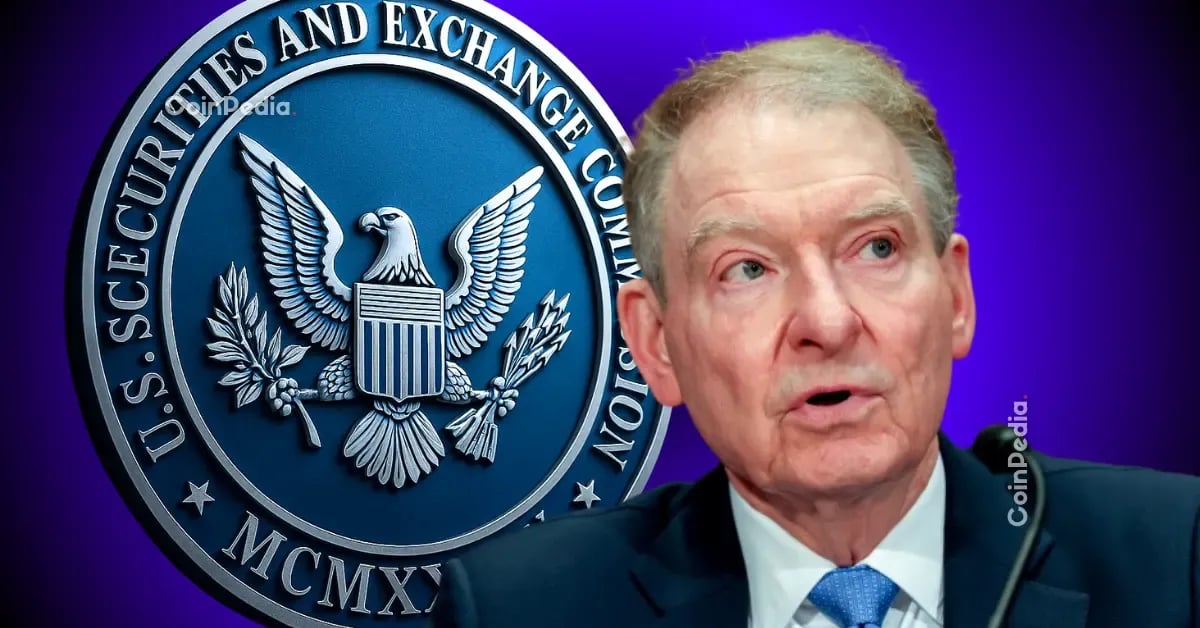
SEC Chair Paul Atkins announced on Tuesday that Bitcoin, Ethereum and a broad range of digital assets are formally exempt from U.S. securities laws, outlining a new token taxonomy and an investment contract interpretation framework the agency said it is implementing immediately. Speaking at the DC Blockchain Summit 2026, Atkins said the move draws a “clear legal line” after more than ten years of industry confusion and enforcement-by-ambiguity.
Atkins’ framework establishes four categories of crypto assets that are explicitly not securities under U.S. law. Digital commodities, including Bitcoin and Ethereum, are listed first. The remaining three categories are digital collectibles, digital tools, and payment stablecoins issued under the GENIUS Act.
Under the new interpretation, only one class of crypto asset remains subject to SEC oversight: digital securities. These are defined narrowly as traditional financial securities that have been tokenised and moved onto a blockchain. Atkins indicated that everything else falls outside the SEC’s jurisdiction.
Atkins also framed the change as a shift in the SEC’s role, saying, “We are not the Securities and Everything Commission anymore.”
Alongside the taxonomy, Atkins previewed two capital-raising pathways intended to support crypto innovation in the U.S.
Atkins said both exemptions would sit alongside existing capital-raising mechanisms rather than replacing them.
Atkins cautioned that SEC-issued frameworks are not a permanent solution and said only Congress can future-proof crypto regulation through comprehensive market structure legislation. He expressed support for the bipartisan Clarity Act currently moving through Capitol Hill, describing “Regulation Crypto Assets” as a head start on implementing the bill ahead of its expected passage.
Atkins said he expects the legislation to reach President Trump’s desk soon.
For an industry that has spent a decade navigating enforcement actions, legal threats and regulatory ambiguity, Tuesday’s announcement was presented as the clearest signal yet that Washington is preparing to allow crypto to expand under a more defined regulatory approach.









Premium gym chains are entering a “golden era” that is ending or already in decline, as rising operating costs collide with shifting consumer preferences toward more flexible, community-based ways to exercise. Long-term memberships are shrinking, margins are pressured by higher rents and facility expenses, and competition from smaller, more personalized…


