•
•
•
•
•
•
•
•
•
•
•
•
•
•
•
•
•
•
•
•
•
•
•
•
•
•
•
•
•
•
•
•
•


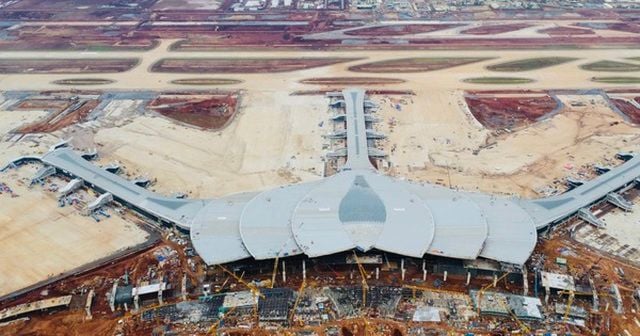
Labor shortages at the Long Thành airport construction site worsened by mid-April, according to a report submitted to the government by the Vietnam Airports Corporation (ACV). The site-wide workforce totaled about 8,457 workers, while the level needed to meet the schedule is about 14,000.
ACV said progress on Component 3 of the Long Thành airport (Dong Nai) is being significantly affected by fluctuations in material prices and labor shortages. The corporation reported that technical staff and workers have abandoned ongoing work to switch to other projects.
For Package 5.10, the passenger terminal—the project’s largest package—daily mobilization was about 5,300 workers per day before January 26. After that date, the figure fell to around 1,500. More recently, mobilized workers rose to about 3,400, but this remains below the required 6,000 workers.
For Package 4.8 (port infrastructure and traffic), mobilization was about 1,500 workers per day before January 26. After that date, the number stayed around 1,200, compared with a required level of about 1,900.
ACV said it has pressed contractors to mobilize more workers. By mid-April, the total on-site workforce was about 8,457, equivalent to 60% of the target. The required level to ensure the schedule is about 14,000, meaning the project is short by nearly 6,000 workers (about 40%).
ACV attributed the labor pull to other regional projects drawing workers in Dong Nai, including the Bien Hoa–Vung Tau expressway, the Ho Chi Minh City–Long Thành expressway expansion, and other Long Thành airport components.
The corporation also highlighted recruitment and retention challenges tied to working conditions at the site, including a wide site area and many outdoor sections exposed to heat and dust.
Beyond labor, ACV pointed to volatility in fuel and material prices. It said fuel prices have nearly doubled, increasing equipment operating costs, while access to supplies is constrained due to competition among regional projects.
ACV noted that many contractors must cover fuel costs per shift. Some areas have shown a tendency to pause construction while waiting for supply stabilization or for adjustments to price mechanisms by authorities.
ACV warned that if fuel and material shortages persist, some construction items could be disrupted because machinery may not have enough fuel to operate.
ACV said shortages of design and supervision consultants for certain packages have created management and payment process challenges. It also stated that a shortage of key personnel at design consultants has delayed drawing creation and approvals, affecting how construction is organized on site.
In addition, some contractors and equipment suppliers face corporate issues that disrupt equipment imports and delay installations and testing. ACV said several major packages have been delayed by about three months due to these problems.
On finances, ACV said payments for completed work remain difficult because contractors have not allocated sufficient staff to prepare payment dossiers. It also cited disagreements over payment rates and contract adjustment mechanisms amid volatile material prices, with some contractors not approving payment arrangements.
ACV assessed that achieving technical completion by September 2026 and commercial operation in Q4 remains feasible, but faces significant challenges depending on timely resolution of the labor, fuel/material, design, equipment, and payment issues.
The investor urged the government to direct ministries and local authorities to stabilize fuel and material supply and to enhance coordination to resolve issues and ensure project progress.


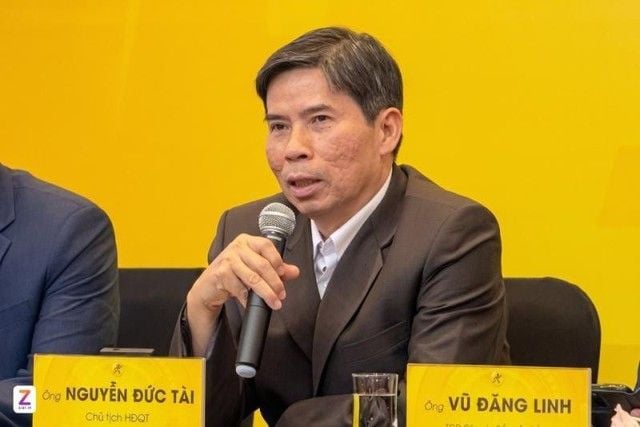


Premium gym chains are entering a “golden era” that is ending or already in decline, as rising operating costs collide with shifting consumer preferences toward more flexible, community-based ways to exercise. Long-term memberships are shrinking, margins are pressured by higher rents and facility expenses, and competition from smaller, more personalized…




