•
•
•
•
•
•
•
•
•
•
•
•
•
•
•
•
•
•
•
•
•
•
•
•
•
•
•
•
•
•
•
•
•


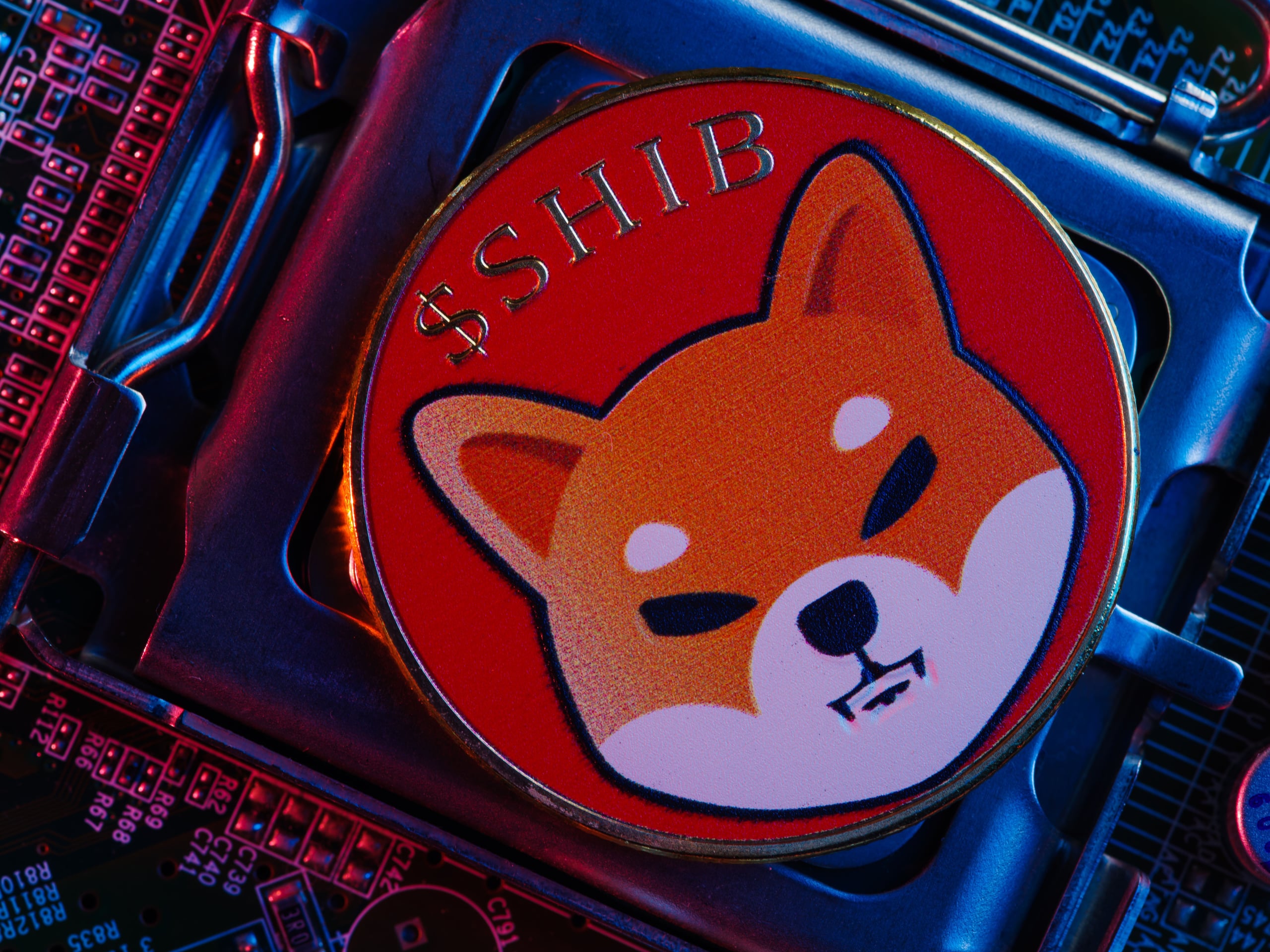
Shiba Inu’s $0.01 target continues to draw attention as structural constraints shape its outlook. Market fundamentals now dominate the conversation around its long-term potential. Supply size and valuation limits present significant hurdles for further upside. Even so, the token’s history and community support keep optimism alive.
Szymanski said that reaching $0.01 would require an unprecedented surge in valuation, with the required market cap rising to about $5.89 trillion—surpassing most global financial markets, including the entire cryptocurrency sector.
Current figures reinforce the challenge. Shiba Inu’s circulating supply is roughly 589.16 trillion tokens, which keeps the price far below one cent. At the time of writing, SHIB trades near $0.000006060, with a market value of about $3.57 billion.
For context, the broader crypto market holds around $2.55 trillion, while Bitcoin alone accounts for nearly $1.5 trillion. Against this backdrop, the projected valuation needed for $0.01 appears unrealistic under current conditions.
The $0.01 narrative gained traction after SHIB’s explosive 2021 rally. The token reached an all-time high of $0.00008845 within a year of launch. That rapid rise fueled expectations of another major breakout, but the price has since fallen sharply, widening the gap to the one-cent target.
Despite the constraints, optimism has not disappeared. Szymanski pointed to Shiba Inu’s history of strong gains during bullish cycles, and noted that a loyal community continues to drive engagement and sustain interest in the asset.
However, key drivers from earlier rallies have weakened. Early investors have shifted focus to newer opportunities, reducing momentum. Remaining holders have also shown signs of frustration with recent performance.
The 2021 token burn led by Ethereum co-founder Vitalik Buterin played a major role in boosting visibility. His actions, combined with high-profile donations, drew global attention to SHIB. In contrast, current burn rates remain low and have not generated a similar impact.
Concerns within the ecosystem also persist. Critics have questioned internal coordination and the expansion into multiple projects, with some arguing these initiatives do not directly benefit SHIB. The team’s continued anonymity adds another layer of uncertainty for potential investors.
Even so, the outlook is not entirely negative. Szymanski maintained that SHIB could still deliver gains in future bull markets. However, structural limitations tied to supply and valuation continue to weigh on the $0.01 target.



Premium gym chains are entering a “golden era” that is ending or already in decline, as rising operating costs collide with shifting consumer preferences toward more flexible, community-based ways to exercise. Long-term memberships are shrinking, margins are pressured by higher rents and facility expenses, and competition from smaller, more personalized…