•
•
•
•
•
•
•
•
•
•
•
•
•
•
•
•
•
•
•
•
•
•
•
•
•
•
•
•
•
•
•
•
•


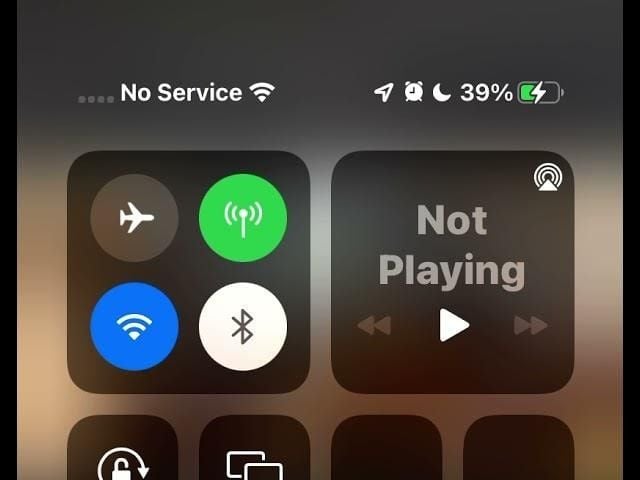
In the context of rapid digital transformation, electronic banking services are becoming increasingly common, bringing many conveniences to the public. However, this trend is accompanied by rising risks of high-tech crimes, notably SIM swapping—the hijacking of mobile phone numbers to steal assets. 1. Identifying the modus operandi - Collect personal data: The attacker searches for your information (full name, date of birth, ID numbers, address, etc.) via social media or data breaches. - Take control of the SIM: - Impersonate the carrier: Call to remotely assist upgrading the SIM to 4G/5G, requesting you text a strange command. In fact, this is a directive to redirect or activate a new SIM by the attacker. - Impersonate the account holder: Use fake documents at the carrier store to report a lost SIM and demand reissuance of your number. - Seize the accounts: Once the attacker has your number, they use the "Forgot password" feature to receive OTP codes from banks, enabling them to reset the password and withdraw funds. 2. Signs you are under attack - Sudden loss of signal: The phone you are using appears normal but suddenly shows no service without a clear reason. - Inability to place calls or send messages: You cannot communicate even though the device is charged and in coverage. - Carrier notifications: You receive messages confirming a SIM change or OTP change even if you did not perform them. 3. Safety precautions - Contact your carrier to register as the legitimate owner. Do not text commands from unfamiliar numbers or impersonators claiming to be carrier staff. - Prefer authentication methods such as Smart OTP (integrated in the banking app) or authenticator apps (e.g., Google Authenticator) over SMS OTP. - Do not share ID photos or phone numbers on public networks. - Be cautious with calls or messages requesting information or links to unfamiliar sites. - Do not use easily guessable information for login credentials. - If your phone loses signal unexpectedly, use another device to contact the carrier and the bank to temporarily lock online services. - If you suspect, immediately contact official customer care of the mobile operators: Viettel 18008098; Vinaphone 18001091; MobiFone 18001090; or visit an official service outlet. - If in doubt, report to the nearest police authority for guidance and timely handling. - Inform friends, colleagues, and family that your phone number may be compromised and warn them not to trust messages requesting transfers, verification codes, or strange links until you regain full control. In the digital era, a mobile number is not just a communication tool but a digital key to access all your accounts and personal data. Therefore, if one day your phone shows "No Service", do not ignore it. Question whether your SIM has been swapped and act immediately before it is too late. Read more






Premium gym chains are entering a “golden era” that is ending or already in decline, as rising operating costs collide with shifting consumer preferences toward more flexible, community-based ways to exercise. Long-term memberships are shrinking, margins are pressured by higher rents and facility expenses, and competition from smaller, more personalized…



