•
•
•
•
•
•
•
•
•
•
•
•
•
•
•
•
•
•
•
•
•
•
•
•
•
•
•
•
•
•
•
•
•


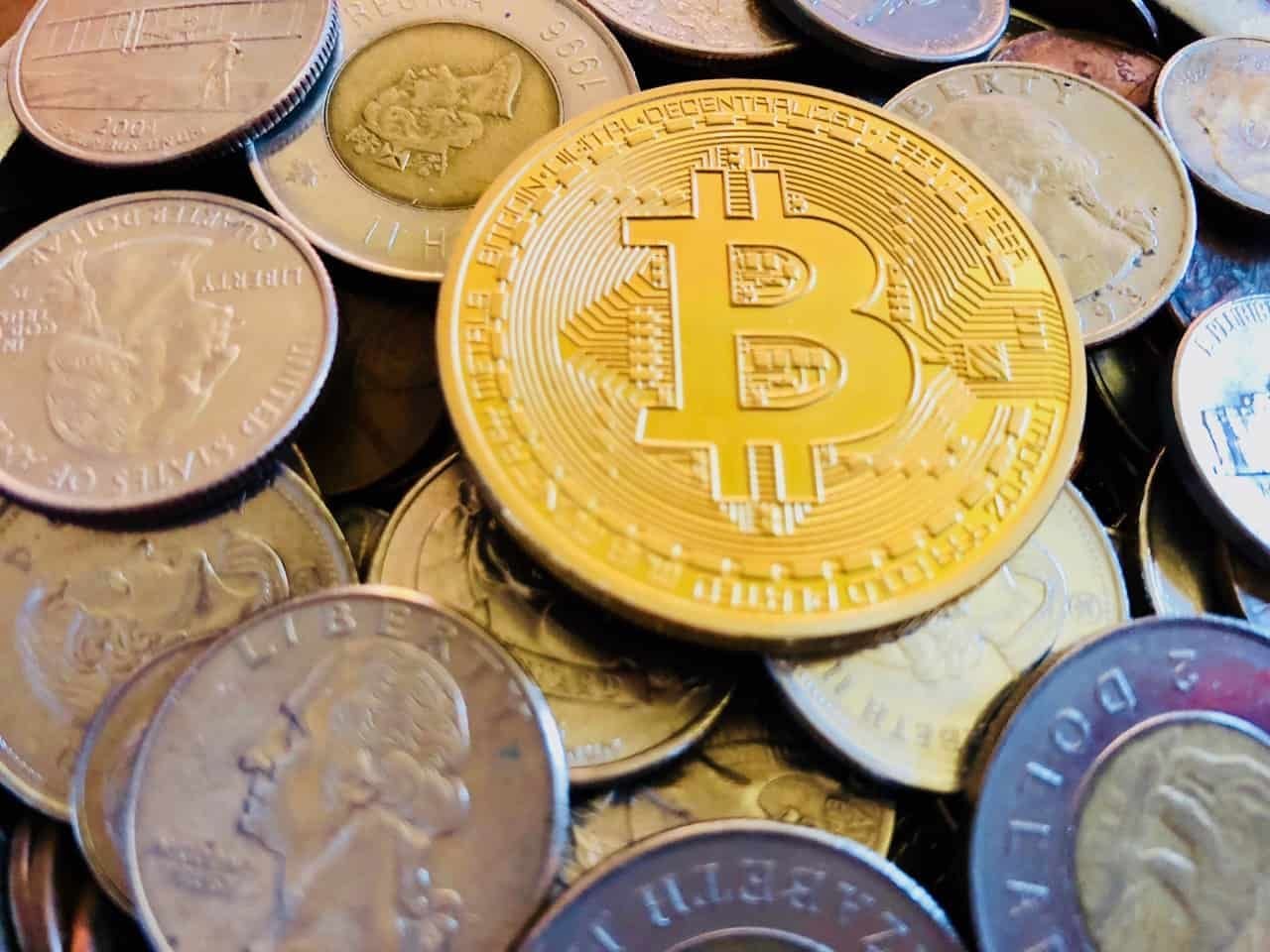
Bitcoin’s brief recovery above $80,000 is being driven more by easing oil prices than by sustained buying, according to macro analyst Nic Puckrin. He said Brent crude is back below $110 following news of President Trump’s “Project Freedom,” which has given BTC “room to breathe” in the near term.
Puckrin cautioned that the relationship between the two assets has been “strongly inversely correlated throughout the war.” He warned that if Brent rises above $110 again, “the downward pressure on BTC will return in full force.” He also said that if Bitcoin cannot hold above $79,500, “a meaningful move higher becomes less likely.”
Alvin Kan, COO at Bitget Wallet, argued that regulated euro stablecoins could address transparency and reserve concerns under Europe’s MiCA framework. However, he said the larger challenge is adoption—particularly whether Europe supports euro stablecoins at a scale that can compete with existing dollar-based options.
Kan said users and developers are likely to continue relying on USDC and USDT because liquidity and network effects are already established. He added that even as Europe builds institutional blockchain infrastructure, retail stablecoin adoption may lag, potentially resulting in tokenized finance growing within Europe while everyday crypto payments and DeFi remain largely tied to dollar-based stablecoins.
“Dollar stablecoins are already deeply embedded in global payments, remittances, and DeFi because they work today and have scale,” Kan said, adding that those network effects could become harder to challenge by the time Europe’s longer-term infrastructure is fully deployed.
On US markets, Puckrin said the stock market has “shrugged off the Iran war entirely,” but flagged concerns about its reliance on the AI trade. He described the trade as becoming “quickly… crowded,” which he said is typical of late-cycle positioning and suggests a repricing may be approaching.
As one sign, he pointed to companies outside the AI sector pivoting toward AI efforts to support struggling share prices, including a Japanese toilet maker. He said the pattern resembles last year’s Bitcoin corporate treasury trend and could be a “harbinger of a major sell-off,” a signal he said should make investors “very nervous.”
Puckrin argued that banks are “shooting themselves in the foot” by opposing a stablecoin yield compromise. He said that as long as the stalemate continues, crypto platforms can keep outperforming banks on yield, and that a resolution before the midterms would align with both banks’ and the crypto industry’s interests.
He said the intensity of opposition from Sens. Tillis and Brooks reflects continued commitment to innovation and acceptance as the financial landscape changes. Puckrin compared the likely outcome to banks conceding ground previously, referencing money market funds in the 1970s.
He described the compromise as operating on a principle similar to bank cashback rewards—rewards tied to real activity rather than passive holding. He also said opponents overstate the impact on traditional bank deposits, arguing instead that the compromise gives end users options to put cash to work amid uncertainty in other asset classes.
Jonathan Yark, head of trading at Acheron Trading, said crypto’s category is unlikely to remain static over 20 years because it already spans stablecoins, tokenized assets, funds, protocol tokens, and native assets of major chains. He said that while the category may evolve, performance concentration is “cyclical, not terminal.”
Yark said concentration tightens during major evolutions and broadens as the cycle matures, drawing a parallel to the Mag 7 capturing a disproportionate share of S&P returns during the AI build-out. He said that concentration is already beginning to broaden and that crypto may follow a similar pattern.
On longer-term winners, he noted that of the top 10 global companies in 2000, only Microsoft remains in the top 10 today, with the others displaced by businesses that either did not exist or were not on anyone’s radar at the time. He said this is not “fewer winners,” but rather a “broader, deeper market.”
Yark also offered a view on current holdings: excluding stablecoins, he said he would call three assets “safe”—Bitcoin, Ethereum, and Solana—while XRP and BNB are “probable.” He characterized the rest of the top 20 as theses that still need to play out.
Dylan Dewdney, co-founder and CEO of Kuvi.ai, said the CLARITY Act could provide markets with “certainty,” unlocking capital and risk appetite ahead of an election cycle. He said the main risk is that speed could become a priority over quality, and that the market will quickly price in whether the framework offers usable clarity or is rushed or politically motivated.
Dewdney said crypto needs “functional, durable rules” rather than symbolic wins, and suggested the industry may also face consequences from having engaged in a partisan way.
Joshua Kim, CEO and founder of Coin Bureau, said the bill could move quickly if Sen. Bernie Moreno’s timing is correct, with the CLARITY Act potentially reaching markup and landing on Donald Trump’s desk before July 4. Kim emphasized coordination as the key factor, adding that Paul Atkins’ discussion of aligning the Securities and Exchange Commission with the Commodity Futures Trading Commission has been something the industry has been seeking.
Kim referenced a March memo separating securities from commodities, saying it “calmed things a bit,” and that it now “feels like the rules might stop shifting every few months,” even if it is “not perfect.”
Premium gym chains are entering a “golden era” that is ending or already in decline, as rising operating costs collide with shifting consumer preferences toward more flexible, community-based ways to exercise. Long-term memberships are shrinking, margins are pressured by higher rents and facility expenses, and competition from smaller, more personalized…