•
•
•
•
•
•
•
•
•
•
•
•
•
•
•
•
•
•
•
•
•
•
•
•
•
•
•
•
•
•
•
•
•
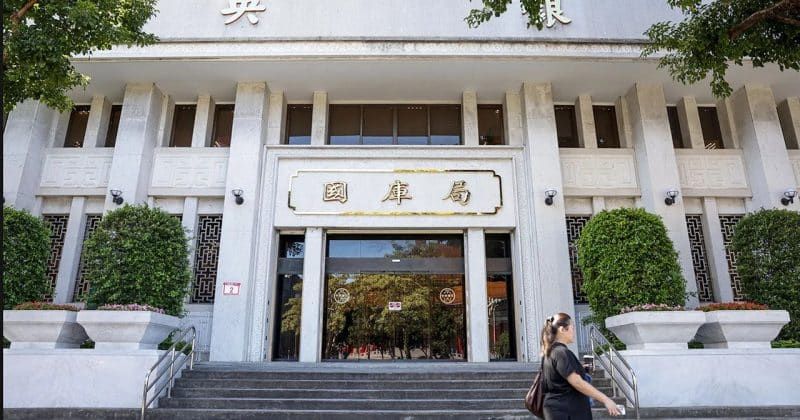
Taiwan has taken a more concrete step toward treating Bitcoin as something beyond a speculative curiosity. On April 29, Legislator Dr. Ko Ju-Chun presented a report from the Bitcoin Policy Institute (BPI) to Premier Cho Jung-tai and Central Bank of China (CBC) Governor Yang Chin-long during a legislative session, arguing that Taiwan should allocate part of its foreign exchange reserves to Bitcoin.
Taiwan holds approximately $602 billion in foreign exchange reserves. The BPI report argues that even a small allocation to Bitcoin could support diversification, provide “seizure resistance,” and act as a hedge against inflationary monetary policies—particularly those associated with heavy USD exposure.
The BPI report frames Bitcoin’s seizure resistance as relevant for an island nation facing ongoing territorial threats from the People’s Republic of China. It argues that traditional reserve assets such as US Treasuries or gold held in foreign vaults can involve counterparty risk. In scenarios where geopolitical tensions escalate, those assets could be frozen, redirected, or otherwise become inaccessible. The report contends that Bitcoin, when held with appropriate custody protocols, avoids that specific problem.
The report also positions Bitcoin as an alternative to the heavy dollar concentration typical of Asian central bank reserves.
In late 2025, the CBC evaluated Bitcoin as a potential reserve asset and reached a negative conclusion. The central bank cited concerns including volatility, liquidity constraints, and custody risks.
Separately, the CBC created a digital asset sandbox using 210 bitcoins seized from illicit activities. Taiwan’s financial regulators have classified Bitcoin as a speculative commodity since around 2013-2014. The sandbox is described as an evolution from that earlier posture.
After the BPI presentation, Dr. Ko requested a follow-up report focused on stablecoins and their broader implications for digital asset reserves. The report is expected within a month of the initial presentation.
Taiwan is also developing additional regulatory frameworks. The Virtual Assets Service Act and related stablecoin regulations are moving through the legislative process, with the aim of establishing a coherent legal structure for digital assets.
For crypto markets, Taiwan’s $602 billion in reserves implies that even a 1% allocation would translate into demand on the order of billions of dollars. The digital asset sandbox and the upcoming stablecoin-focused report are expected to be key developments to monitor.
Coinbase has launched a High Yield USDC vault within its in-app DeFi lending offering, adding a second lending option that provides exposure to a wider range of collateral assets. The product is powered by Morpho infrastructure and uses vault allocations curated by Steakhouse Financial.