•
•
•
•
•
•
•
•
•
•
•
•
•
•
•
•
•
•
•
•
•
•
•
•
•
•
•
•
•
•
•
•
•


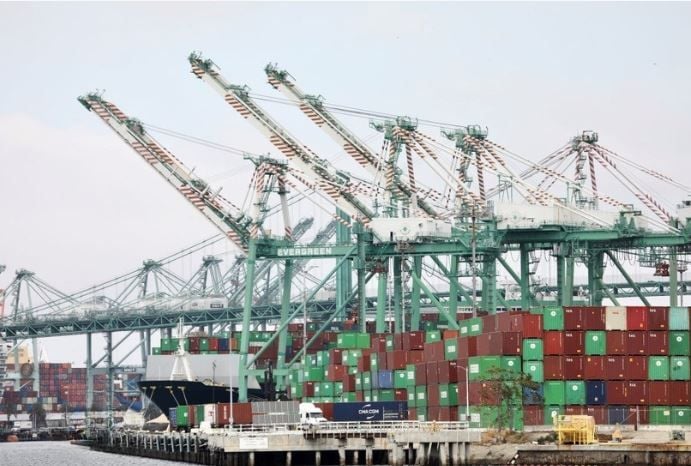
Tariffs Reshape the United States' Trade Strategy According to The Washington Post, one year after 'Liberation Day', the US trade deficit has narrowed, but the number of jobs in factories has declined, while inflation has risen. View of a goods port in Los Angeles, California, USA. (Photo: THX/TTXVN) According to The Washington Post, one year after 'Liberation Day', the US trade deficit has fallen, but the number of jobs in factories has declined, while inflation has risen. From any perspective, a year of implementing President Trump's inconsistent policies has deeply changed how the United States participates in global relations. According to the paper, President Trump’s rollout of a series of large tariffs on April 2, 2025 is regarded as a turning point in US trade policy, as the administration shifted from a free-trade liberalization approach to using tariffs as a central tool to protect domestic production and rebalance global trade relations. Some initial results were considered by the administration as successes. The US trade deficit has declined for several months, reflecting a reduction in imports and adjustments in trade flows. At the same time, more than 20 countries have opened their markets, reduced barriers, or pledged to invest in the United States to avoid or mitigate the impact of the new tariffs. The Trump administration has also used tariffs as a bargaining lever in negotiations, achieving some trade agreements with partners such as Japan, the United Kingdom, and Malaysia. These developments are cited as evidence for the argument that tariffs can pressure partners to concede. However, these benefits come with significant negative consequences for the US economy. Higher import costs have increased the burden on businesses, especially those dependent on global supply chains. Many corporations in manufacturing, industrial, and retail sectors have reported profits affected by higher input costs. Contrary to expectations of reviving domestic production, employment in the manufacturing sector declined, showing that tariffs are not enough to reverse long-term trends such as automation and the relocation of production globally. Another major issue cited is the level of policy uncertainty. The rapid and unpredictable adoption and adjustment of tariffs makes it difficult for businesses to plan for the long term. Many companies have had to delay investments, diversify supply chains, or maintain flexible strategies to cope with policy risk. This instability is seen as a factor undermining the overall economic effectiveness of tariff policy. The analysis also mentions a significant legal development when the US Supreme Court ruled that invoking emergency powers to impose tariffs is unconstitutional. That decision led to demands to refund about $150 billion in collected tariffs, creating significant pressure on the administration to adjust the legal basis for trade policy. The article concludes that Trump’s tariff policy has brought deep changes in how the United States approaches international trade and may have lasting effects on future administrations. Nevertheless, the actual economic impact and sustainability of this approach remain controversial. While the administration views it as a strategic tool to protect national interests, many experts warn that the economic costs and accompanying volatility could weaken long-term growth. Ngọc Quang Vietnamplus






Premium gym chains are entering a “golden era” that is ending or already in decline, as rising operating costs collide with shifting consumer preferences toward more flexible, community-based ways to exercise. Long-term memberships are shrinking, margins are pressured by higher rents and facility expenses, and competition from smaller, more personalized…




