•
•
•
•
•
•
•
•
•
•
•
•
•
•
•
•
•
•
•
•
•
•
•
•
•
•
•
•
•
•
•
•
•


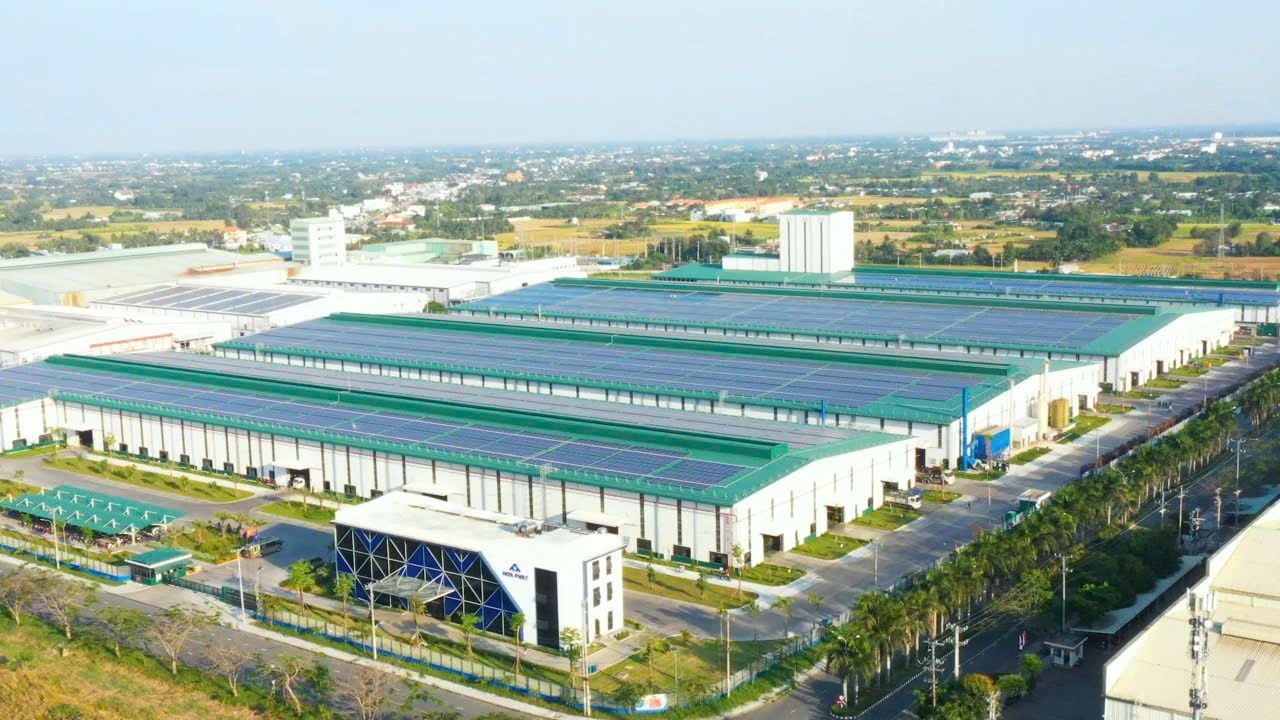
On the morning of April 18, Truong Thanh Liêm, Head of the Provincial Economic Zone Management Board of Tay Ninh, said the province will launch and inaugurate a series of large-scale industrial projects with total investment running into the trillions of dong to mark the 51st anniversary of Reunification Day (April 30, 1975 – April 30, 2026).
Liêm said the projects are intended not only as part of the festival celebrations, but also to create job opportunities for tens of thousands of local workers.
The inauguration ceremony for the Hoa Phat Long An steel production and trading plant in the Thuận Đạo expanded Industrial Park will take place today, April 18.
The plant covers an area of over 14.6 hectares and has total investment of 2,000 billion dong. It is expected to become a “new engine” for the supporting industries.
Le Thanh Tuấn, Director of the Hoa Phat Long An steel plant, said the facility is ready to operate the most modern production lines to supply the market with 446,000 tons of steel pipes and 400,000 tons of galvanized sheets per year. He added that the plant’s operation will help ensure stable employment for a large local workforce.
On April 28, the Kizuna 5 rental factory project in Tan Kim Industrial Park (Can Giuoc commune) will officially commence. The project has funding of over 1,717 billion dong.
The project follows a modern serviced factory model, aimed at creating favorable conditions for small and medium-sized investors, particularly foreign direct investment (FDI) enterprises.
The largest “boost” in this period is the elevated workshop project in Phuoc Dong Port Industrial Park, Tan Lang commune, with total investment of 3,600 billion dong. The project is scheduled to be kicked off on April 29.
Nguyen Huu Thuc, General Director of Phuoc Dong Port Industrial Park, said selecting the start date to coincide with the April 30 anniversary carries symbolic significance, reflecting enterprises’ determination to turn land with revolutionary traditions into a focal point for dynamic industrial development.






Premium gym chains are entering a “golden era” that is ending or already in decline, as rising operating costs collide with shifting consumer preferences toward more flexible, community-based ways to exercise. Long-term memberships are shrinking, margins are pressured by higher rents and facility expenses, and competition from smaller, more personalized…




