•
•
•
•
•
•
•
•
•
•
•
•
•
•
•
•
•
•
•
•
•
•
•
•
•
•
•
•
•
•
•
•
•


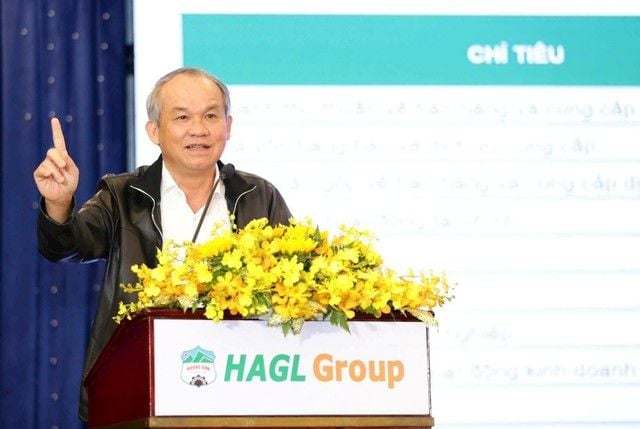
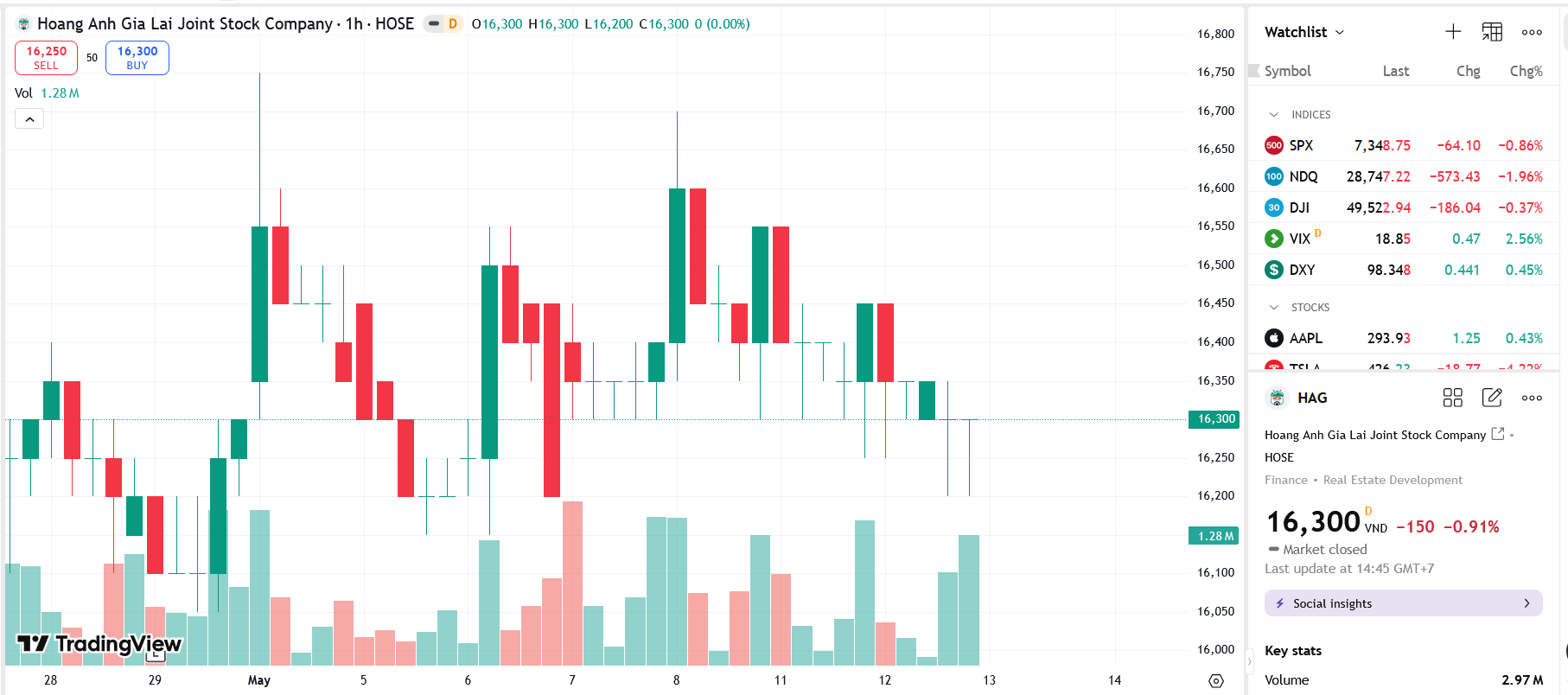
Third time this year, Chairman Đoàn Nguyên Đức of Hoàng Anh Gia Lai (HOSE: HAG) reported that he has successfully bought 4 million HAG shares during May 7–12, 2026, through on-market matching. After the transaction, the number of HAG shares held by Mr. Đức rose from nearly 314 million to nearly 318 million, corresponding to ownership increasing from 24.77% to 25.09% of the charter capital. Based on an average trading price of around 16,000 VND per share during the purchase period, Bầu Đức spent about 64 billion VND to complete the deal. This also marks the third time since the start of 2026 that Đức has acquired additional HAG shares. Previously, the HAGL chairman bought 5 million shares in 11/3–18/3 and then 4 million shares from 26/3–16/4. All trades were executed via on-market matching. After these transactions, the Đức family’s stake in HAGL rose to about 30.25%, with Đoàn Hoàng Nam currently holding about 4.1% of the company’s capital. At the 2026 annual general meeting, in response to investors’ questions about plans to buy more shares, Bầu Đức said he has bought several million shares recently and might continue to increase his stake. He noted that market volatility creates opportunities to accumulate more shares. Đức added that he has bought and will buy many times more, and this was the largest purchase to date. He also projected that the 2026–2030 period could be the most positive growth phase since the company’s founding. For 2026, HAGL targets revenue of 8,624 billion VND and after-tax profit of 4,202 billion VND, up 16% and 87% respectively from 2025. If achieved, this would be the highest profit in HAGL’s history. In Q1 2026, HAGL reported net revenue of nearly 1,800 billion VND, up 29% year-on-year; after-tax profit reached 1,173 billion VND, up 3.3x from the same period last year. However, much of the quarterly profit growth came from the financial segment, as the company benefited from relief on about 750 billion VND of bond interest, leading to a significant reversal of financing costs.
Premium gym chains are entering a “golden era” that is ending or already in decline, as rising operating costs collide with shifting consumer preferences toward more flexible, community-based ways to exercise. Long-term memberships are shrinking, margins are pressured by higher rents and facility expenses, and competition from smaller, more personalized…