•
•
•
•
•
•
•
•
•
•
•
•
•
•
•
•
•
•
•
•
•
•
•
•
•
•
•
•
•
•
•
•
•


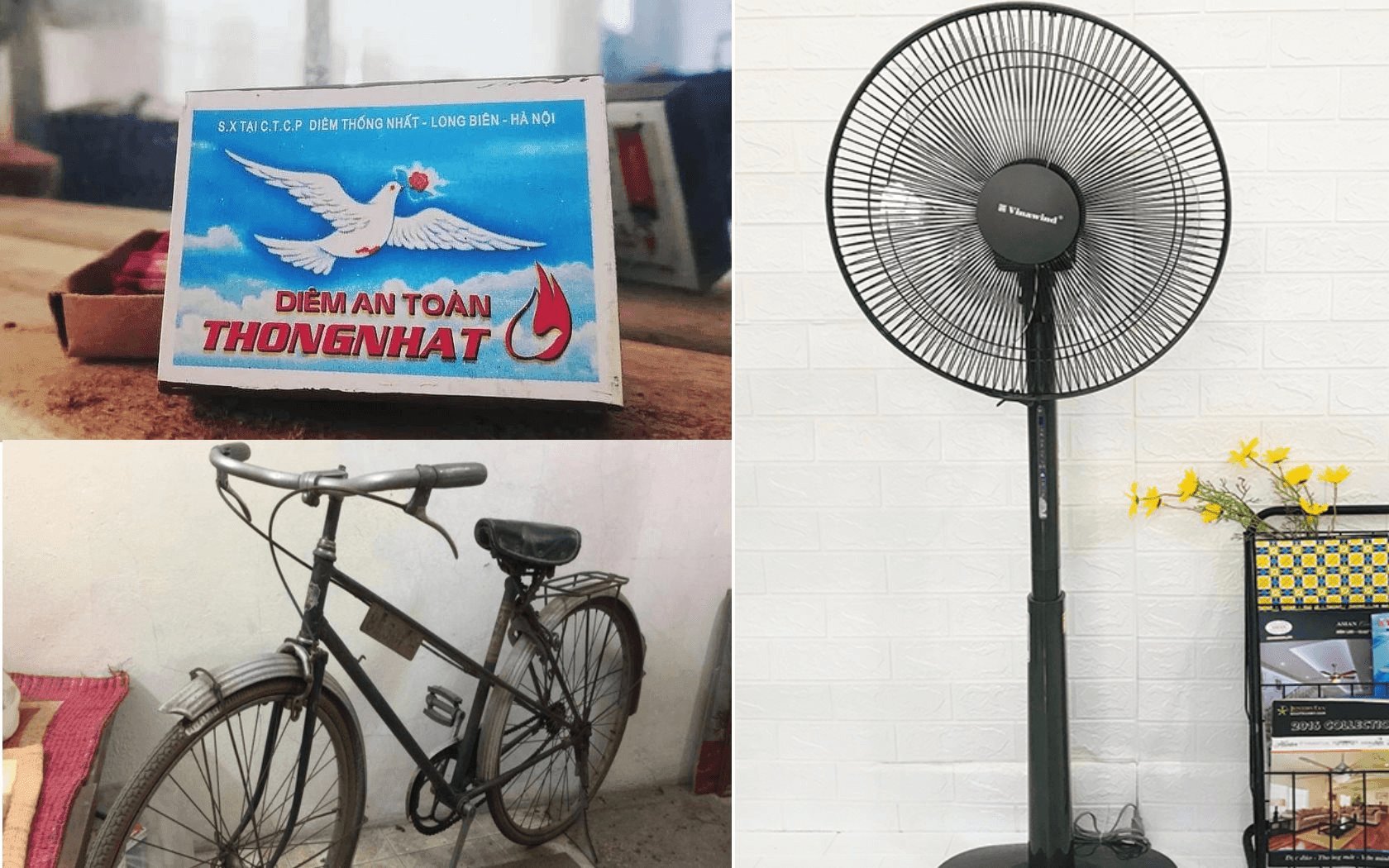
Thong Nhat brands—spanning matches, bicycles and household electrical products—have remained familiar in Vietnam for decades, adapting as consumer demand and market conditions changed.
Diem Thong Nhat was established in 1956 as a state-owned traditional match producer. The company’s core activities included producing matches and lighters, along with packaging, printing and trading. Over time, demand for matches declined as consumer preferences shifted.
In 2020, Diem Thong Nhat officially ceased commercial match production. The company redirected its focus toward promotional matches produced on order, while shifting production toward lighters and carton packaging.
To support the transition, Diem Thong Nhat began investing in lighters in 2013. From 2014, lighter sales reached about 1.65 million units and then increased sharply to 14.67 million units by 2018, with distribution mainly in the North and Central regions.
The company also distributed Thong Nhât-Cricket lighters imported from Malaysia, primarily tied to large advertising contracts. Consumer sales of these imported lighters remained limited due to their high price.
Lighters became a “lifeline” for the company’s performance as traditional match sales fell. In 2022, Diem Thong Nhat reported revenue of 293 billion VND and net profit of 7 billion VND. The main driver was a 136% year-over-year increase in revenue. In addition, interest income from deposits contributed more than 4.3 billion VND to profits.
2022 also marked a branding shift as Diem Thong Nhat drew social media attention through humorous posts related to gaming, football and major sports events. Posts on the brand’s fan page generated thousands of shares.
Thong Nhất bicycles are a well-known Vietnamese brand from the 1980s–1990s. The bicycles were manufactured by Hanoi Thong Nhat Joint Stock Company, founded on June 30, 1960. The brand emerged during the wartime period and was used in the field; its name reflected a hope for peace and independence.
In 1965, the government decided to distribute subsidized bicycles. Officials received a bicycle along with a spare parts booklet. Production was limited, making bicycles rare and valuable, with prices reaching about half a tael of gold at the time.
As Vietnam’s economy developed, the national bicycle brand gradually lost its dominant market position. In recent years, Thong Nhất bicycles have evolved with designs aimed at younger segments, including children, women and youth, releasing more modern and fashionable models.
From 2019 to 2025, Thong Nhất Bicycle reported revenue growth year after year. In 2025, revenue rose 20% year over year, while profits increased to more than 33 billion VND. In Q1 2025, the company reported after-tax profit of more than 4.7 billion VND.
Management noted that in 2022 the company maintained its northern dealer network and expanded into the southern market through AEON and Dien May Xanh, while also expanding into eastern and western provinces. As a result, annual bicycle sales increased from over 33,000 units in 2019 to 103,000 units in 2022.
For 2025 and beyond, the company aims to accelerate southern market development and continue refining products and launching new models.
Dien Co Thống Nhất (Vinawind) operates with a similar brand profile to Diem Thong Nhat and Thong Nhất Bicycle, maintaining steady business performance despite competition. The company reports consistent monthly profits in the tens of billions of VND.
From 2016 to 2024, Vinawind’s revenue remained above 900 billion VND, while after-tax profit ranged from 64 to 84 billion VND each year. In 2024, Vinawind recorded a record after-tax profit of 108 billion VND.
Vinawind continues to manufacture and supply electric fans, ballasts, sockets and other household electrical products.




Premium gym chains are entering a “golden era” that is ending or already in decline, as rising operating costs collide with shifting consumer preferences toward more flexible, community-based ways to exercise. Long-term memberships are shrinking, margins are pressured by higher rents and facility expenses, and competition from smaller, more personalized…