•
•
•
•
•
•
•
•
•
•
•
•
•
•
•
•
•
•
•
•
•
•
•
•
•
•
•
•
•
•
•
•
•


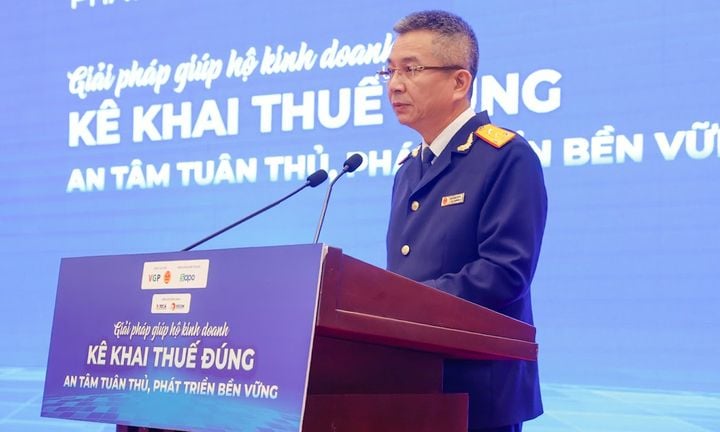
At a government workshop on March 12, hosted by the Government Portal and the Tax Department (Ministry of Finance), Mai Xuan Thanh, head of the Tax Department, stated that this is a critical period as new tax-management policies for household businesses are moving from planning into practice. He pledged that tax authorities will prioritise substantive support to help households comply. In the initial phase of the declaration method for household businesses, the focus is not on audits or penalties, but on providing real support so that households can file correctly from the first filing. The 15-day intensive period has a very concrete goal: to help households understand the requirements, comply correctly, and maintain their operations with confidence. Tax authorities at all levels will strengthen direct guidance on the ground, organise focused support sessions, and expand online channels, hotlines, and remote advisory services to promptly resolve issues that arise during implementation. They also aim to promote the use of information technology and digital transformation, offering free e-tax services to make electronic filing easier, cheaper, and more user-friendly, with ongoing system upgrades to be smarter and more supportive. Examples include pre-filled information in declaration forms, reminders of filing deadlines, and assistance with deducting funds from the taxpayer’s account with the taxpayer’s consent, as well as early warnings of potential errors to help households adjust in time. The authorities will standardise and diversify guidance, providing easy-to-understand manuals, situational video tutorials, concise Q&As, and handy reference materials, with regular updates on official channels to facilitate quick lookup and cross-checking. If issues arise, taxpayers can contact their assigned tax officers for direct assistance, with contact details posted at local public service centers and on tax department websites. Following the workshop, authorities will continue with more direct and online support activities, such as local stakeholder forums, market-area briefings, and online Q&A sessions. “Compliance is not a burden but a ticket to stable, long-term growth for household businesses,” said officials and noted that recent government policies, including Decree 68/2026 on tax and tax-management policies for households and individuals, set important direction for the current transition. The aim is to transform, standardise, and accompany people and businesses through a transparent, facilitative process. Understanding and accessing these regulations accurately, and preparing data and tools for multi-channel management, will enable taxpayers to comply from the outset, reducing risk and the cost of compliance. The government sees the shift as a path to development, with standardisation and transparency at its core, and accompanying measures to facilitate private sector growth. The government official reiterated that proper compliance is not a burden but a gateway to broader development for household businesses. Source: VTC News






Premium gym chains are entering a “golden era” that is ending or already in decline, as rising operating costs collide with shifting consumer preferences toward more flexible, community-based ways to exercise. Long-term memberships are shrinking, margins are pressured by higher rents and facility expenses, and competition from smaller, more personalized…




