Iran said it had not made a final decision on a proposed peace agreement with the U.S., pushing back against President Donald Trump's claim that a deal was effectively approved and prompting fresh questions about a conflict that has already rattled global markets and energy supplies.
Deal Or No Deal?
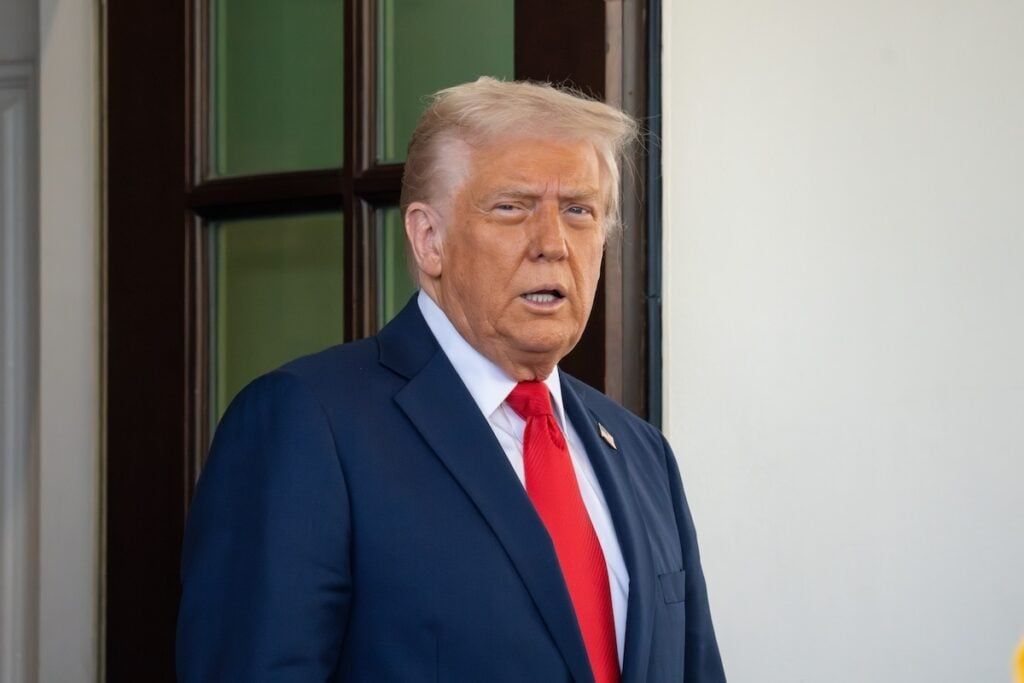
Trump Thursday said in a post on Truth Social that he had canceled planned strikes against Iran after negotiations were approved by the country’s highest leadership and claimed the framework of an agreement had received backing from several regional allies.
“I understand the answer is yes,” Trump told reporters at the White House when asked whether Khamenei had approved the deal.
According to a Reuters report citing Iranian media, the Foreign Ministry spokesperson Esmaeil Baghaei said large portions of the agreement had been finalized but stressed that Tehran had not concluded.
“We have not reached a final conclusion on this matter,” he told reporters, adding that “this is a very important issue that is currently being reviewed by the relevant decision-making bodies.”
How Much Wealth Has The War Destroyed?
Oil prices surged as fears grew that fighting could disrupt shipments through the Strait of Hormuz, while global stocks swung sharply on each escalation and ceasefire headline.
_Source: Trading Economics.com_
Since the war reignited in late February, the S&P 500 has fallen 7%, while Brent crude surged more than 20% as traders priced in the risk of disruptions to Middle Eastern energy supplies.
Elevated energy prices and a costly war aided the rise in U.S. headline inflation to 4.2% in May from 3.8% in April, leaving consumers grappling with expensive cost of living.
Hopes for a deal helped reverse some losses Thursday, with the S&P 500 rising 1.75% and the Nasdaq gaining 0.12%. Brent crude prices fell to around $89 per barrel on Friday, hitting their lowest level in nearly two months
Why The Strait Of Hormuz Matters
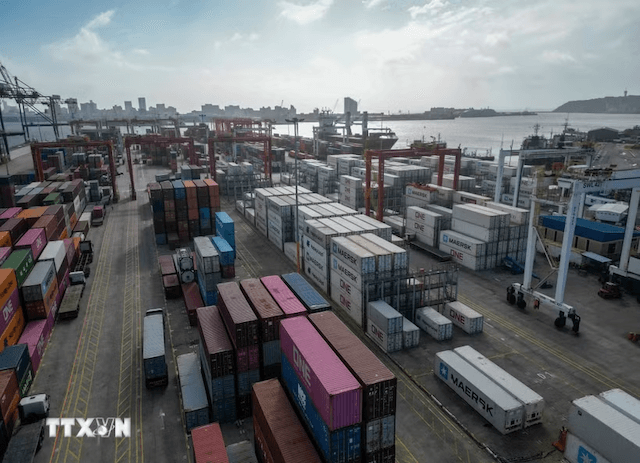
At the center of the conflict is the Strait of Hormuz, one of the world’s most important energy chokepoints. Roughly one-fifth of global energy shipments normally pass through the narrow waterway, making any disruption a major concern for oil traders and policymakers.
Trump Wednesday said that additional military action could follow if Tehran fails to reach an agreement, even as Iran announced the closure of the Strait of Hormuz.
A successful deal could remove some of that risk premium from energy markets, while a breakdown in negotiations could quickly reignite concerns over oil supplies, inflation and global growth.