•
•
•
•
•
•
•
•
•
•
•
•
•
•
•
•
•
•
•
•
•
•
•
•
•
•
•
•
•
•
•
•
•


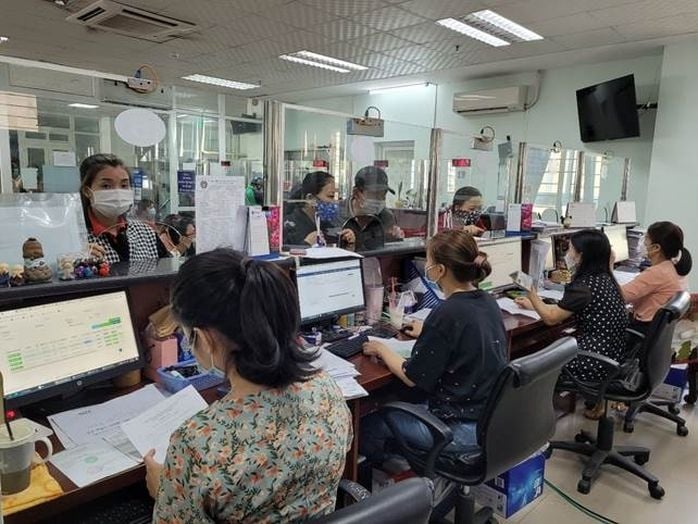
The wage ceiling used as the basis for calculating unemployment insurance contributions can reach over 106 million dong per month, according to the Employment Law 2025.
The law also standardizes how the wage used for unemployment insurance contributions is determined between the public sector and the private sector. The base wage includes salaries, allowances, and other regularly paid, stable supplements.
Monthly contributions remain three-part: employees pay up to 1% of their wages; employers contribute up to 1% of the wage fund; and the government provides up to 1% from the central budget.
Under the law, workers participating in unemployment insurance are entitled to four main policy groups: counseling and job placement; support for training and upgrading professional skills; unemployment benefits; and support for sustaining employment.
The former “vocational training support” regime has been expanded to “support for workers participating in training and upgrading vocational skills,” aimed at increasing opportunities to re-enter the labor market.
The wage ceiling for unemployment insurance contributions is calculated as 20 times the regional minimum wage at the time of contribution.
Pursuant to Decree 293/2025/ND-CP, the 2026 regional minimum wage top level is 5.31 million dong per month (Region I). As a result, the wage ceiling for unemployment insurance contributions in Region I is 106.2 million dong per month. The other regions are 94.6 million dong, 82.8 million dong, and 74 million dong per month.
The law tasks the Government with considering measures such as reducing contributions, providing cash or other forms of support based on actual conditions and the fund’s surplus in cases of crises, economic downturns, natural disasters, or dangerous epidemics.
A labor expert said tying the ceiling to the regional minimum wage makes the policy more flexible and aligned with market realities. However, the regulation mainly affects higher-income groups and has limited impact on ordinary workers.






Premium gym chains are entering a “golden era” that is ending or already in decline, as rising operating costs collide with shifting consumer preferences toward more flexible, community-based ways to exercise. Long-term memberships are shrinking, margins are pressured by higher rents and facility expenses, and competition from smaller, more personalized…




