•
•
•
•
•
•
•
•
•
•
•
•
•
•
•
•
•
•
•
•
•
•
•
•
•
•
•
•
•
•
•
•
•


US business activity weakened in March 2026, according to a preliminary PMI survey published March 24 by S&P Global, with the composite index—covering both manufacturing and services—falling to 51.4, the lowest reading since April 2025.
The US composite PMI dropped to 51.4 in March, down from February and marking the second consecutive month of decline. A reading above 50 still indicates growth in the private sector, but the latest figures point to slowing momentum.
Chris Williamson, Chief Economist at S&P Global Market Intelligence, said the March PMI reflects “an unwanted combination of slowing growth and rising inflation after the Middle East conflict intensified,” adding that firms reported weaker demand amid uncertainty and higher living costs linked to the war.
The weakness was mainly concentrated in services. The services PMI fell from 51.7 in February to 51.1 in March.
By contrast, manufacturing output rose unexpectedly, with the manufacturing PMI increasing to 52.4. S&P Global attributed part of the improvement to tariffs on orders starting to ease.
S&P Global linked the deterioration in the overall survey to the Middle East conflict between the US, Israel and Iran, which pushed oil prices higher by more than 30%. The average US gasoline price rose by nearly $1 per gallon (about 3.78 liters), adding pressure to production costs.
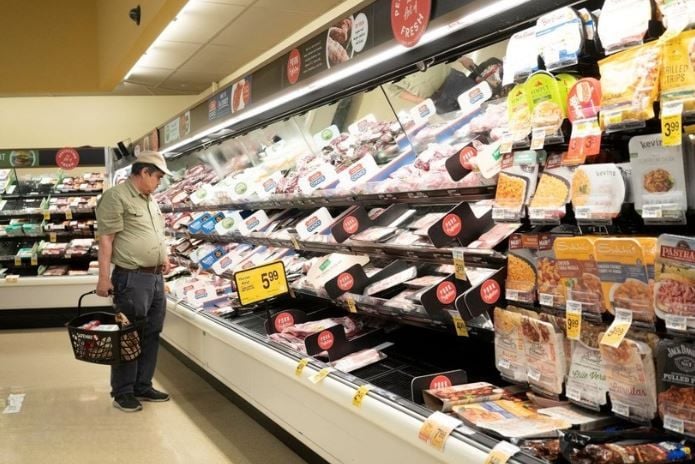
Cost pressures also showed up in the survey’s pricing measures. The input price index jumped to 63.2 from 60.0 in the prior month, while the output price index rose to 58.9. S&P Global said firms were increasingly passing cost pressures on to consumers.
Analysts expect consumer price inflation to return to around 4%.
Beyond pricing, the survey pointed to softer labor-market sentiment. The private-sector employment index fell to 49.7, the first decline in 13 months. S&P Global said service-sector firms appear to be cutting operating costs amid current economic uncertainty.
Last week, the US Federal Reserve held interest rates steady and signaled inflation would remain higher, forecasting only one rate cut in the year. Williamson warned that the Fed will face a difficult task balancing inflation risks against the risk of the economy losing momentum, depending on how long the conflict lasts and how it affects energy prices and global supply chains.







Premium gym chains are entering a “golden era” that is ending or already in decline, as rising operating costs collide with shifting consumer preferences toward more flexible, community-based ways to exercise. Long-term memberships are shrinking, margins are pressured by higher rents and facility expenses, and competition from smaller, more personalized…




