•
•
•
•
•
•
•
•
•
•
•
•
•
•
•
•
•
•
•
•
•
•
•
•
•
•
•
•
•
•
•
•
•


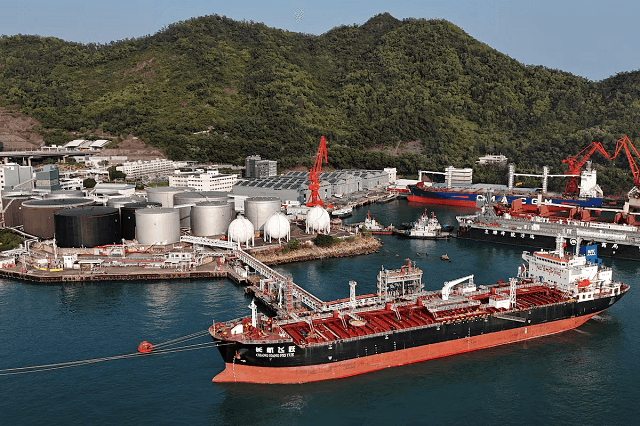
AG&P LNG, owned by Nebula Energy, is acquiring all remaining shares of Cai Mép LNG Port Co., Ltd., a subsidiary of Hai Linh Co., Ltd., according to Trade Winds News. On April 21, AG&P LNG reached an agreement to acquire the remaining shares of Cai Mép LNG Port (Ho Chi Minh City), increasing its ownership from 49% to 100%.
AG&P LNG previously held 49% of Cai Mép LNG Port Co., Ltd., with the remaining shares held by Hai Linh. Following completion, Cai Mép LNG Port will become a wholly owned subsidiary of AG&P LNG.
The transaction remains subject to regulatory approvals and standard closing conditions.
Cai Mép LNG Port has a capacity of 3 million tonnes per year, with the ability to expand to 6 million tonnes per year. The port has been operational since Q3 2025 and is positioned to supply LNG to downstream customers in southern Vietnam.
Located near the Mekong Delta, the facility includes three onshore LNG tanks with total capacity of 220,000 m3. It also has the ability to split shipments for bunkering small vessels and includes 14 fueling stations for compressed natural gas (CNG) and LNG for tanker trucks.
The port is connected to the nearby Phu My Industrial Park and has pipeline links to Vietnam’s largest power complex, which has a total gas-fired capacity of 3.9 GW.
AG&P said Cai Mép LNG Port will be a “core port” in Nebula Energy’s LNG ecosystem. The company stated that the acquisition will enable it to accelerate capacity expansion, strengthen downstream gas distribution, and fully integrate Cai Mép into Nebula Energy’s global LNG value chain.
Nebula Energy Chairman Peter Gibson said: “Owning Cai Mép 100% is a milestone for AG&P LNG and Vietnam’s energy transition.” He added that full ownership will allow the port to be fully integrated into the LNG supply chain, transport, and downstream distribution, enabling LNG supply to power plants and industries nationwide.
Premium gym chains are entering a “golden era” that is ending or already in decline, as rising operating costs collide with shifting consumer preferences toward more flexible, community-based ways to exercise. Long-term memberships are shrinking, margins are pressured by higher rents and facility expenses, and competition from smaller, more personalized…