•
•
•
•
•
•
•
•
•
•
•
•
•
•
•
•
•
•
•
•
•
•
•
•
•
•
•
•
•
•
•
•
•


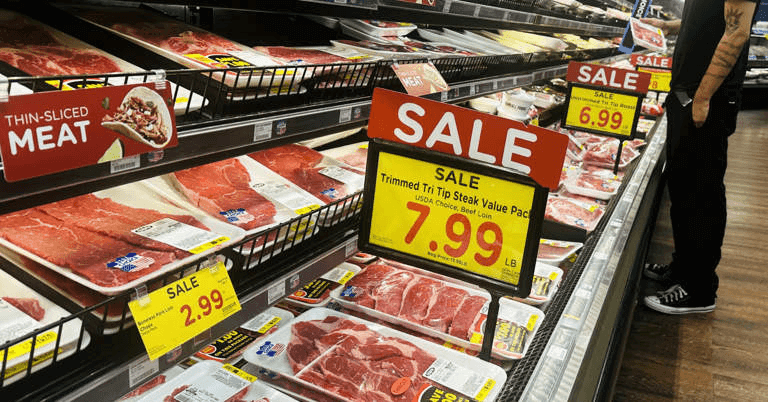
An inflation gauge in the United States rose sharply in April, underscoring persistent price pressures as costs increased across the supply chain. Data from the U.S. Bureau of Labor Statistics showed the Producer Price Index (PPI) increased 1.4% month over month in April, exceeding a Dow Jones forecast of 0.5% and the 0.7% rise in March. The gain was the largest monthly increase since March 2022.
On a year-over-year basis, the PPI climbed 6%, the highest level since December 2022. Excluding food and energy, the core PPI rose 1.0% month over month, above the 0.4% forecast. Continuing to exclude trade services, the “super core” PPI increased 0.6%.
Energy prices were the main contributor to the April surprise, echoing the consumer inflation increase reported on May 12. The BLS said roughly three-quarters of the goods price increase in final demand came from a 7.8% rise in energy. More than 40% of that energy-related increase was linked to a 15.6% surge in gasoline at the pump, as retail gasoline prices rose to well above $4 per gallon amid the Iranian conflict affecting global energy markets.
While the report noted that much of the inflation pressure had been attributed to war-related developments and tariff measures implemented by President Trump since last year, the PPI data indicated that price pressures were spreading beyond energy. The services index rose 1.2% month over month, the largest monthly increase since March 2022. About two-thirds of that increase came from services trade, which rose 2.7%, suggesting tariff costs may be starting to weigh on prices.
In addition, profit margins in wholesale machinery and equipment rose 3.5%, contributing to the overall increase.
Following the PPI release, Dow Jones futures fell and Treasury yields rose slightly. David Russell, Global Market Strategist at TradeStation, said: “Inflation is persistent and continues to accelerate. The core measure confirms a structural trend deeper in the economy, particularly in the services sector. The Hormuz crisis is worsening the situation, but this goes beyond the oil story.”
Earlier, the U.S. CPI rose 3.8% year over year, mainly driven by energy but also influenced by other factors, including higher housing costs. Core inflation remained above but lower than CPI at 2.8% year over year, still above the Federal Reserve’s 2% target.
With inflation remaining persistent and the labor market described as strong, the Fed is maintaining its target range of 3.50%–3.75%. Market pricing indicated little chance of rate cuts for the rest of the year, while the probability of a rate hike rose to about 39% after the PPI release.

Premium gym chains are entering a “golden era” that is ending or already in decline, as rising operating costs collide with shifting consumer preferences toward more flexible, community-based ways to exercise. Long-term memberships are shrinking, margins are pressured by higher rents and facility expenses, and competition from smaller, more personalized…